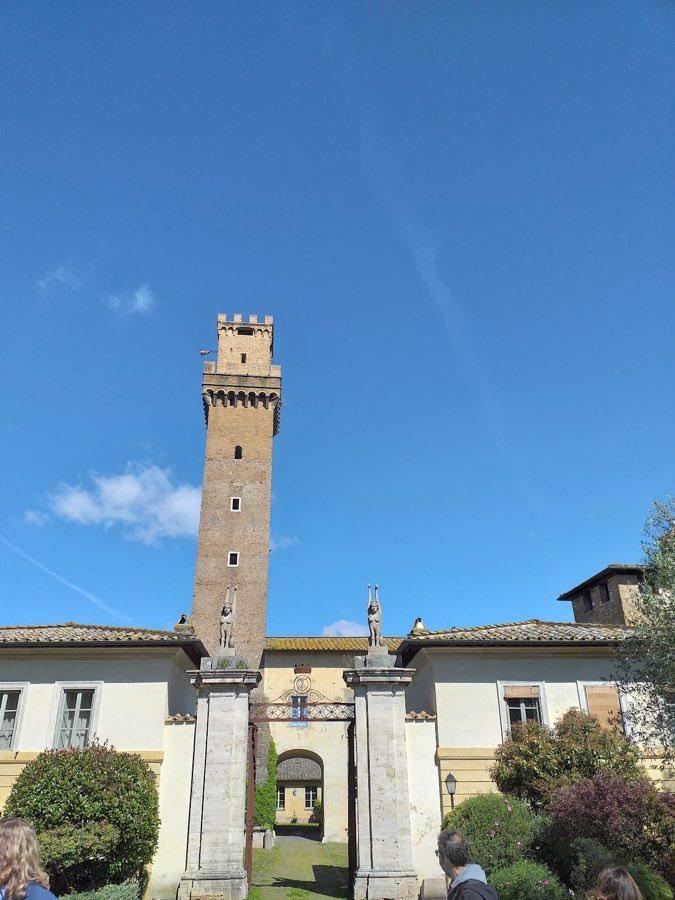
No. 80154
Castello della Cecchignola
Italy
CastleRestored15th century
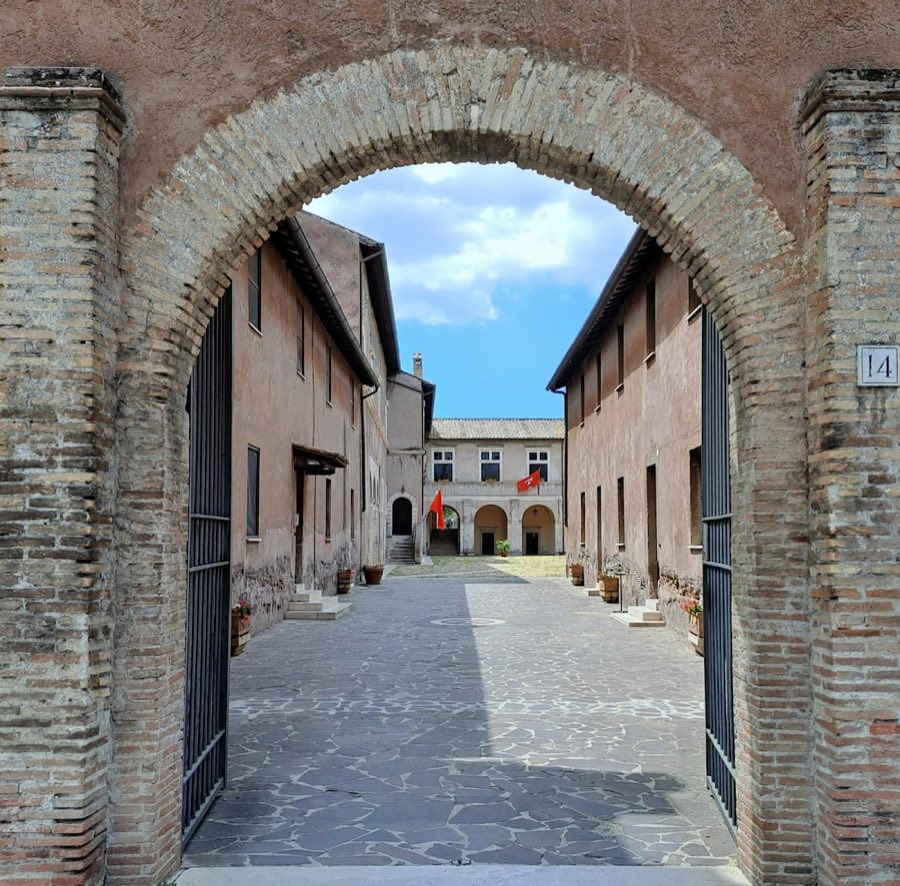
No. 34649
No. 34649 · 41.828 N, 12.417 E
Quick summary
Castello della Magliana is a castle in Italy with origins associated with the 15th century.
See all castles in ItalyCastello della Magliana stands in Rome, Italy; it originated in the medieval period and was long tied to ecclesiastical ownership.
The site is recorded in the eleventh century as property of the monastery of Santa Cecilia in Trastevere, and at that time it included a small medieval oratory dedicated to Saint John the Baptist. The complex was regarded as a fortified estate and served the monastery’s needs while retaining its devotional space.
A major programme of rebuilding began in 1480 under Pope Sixtus IV and carried on during the pontificate of Innocent VIII. In 1490 Innocent VIII ordered the removal of large parts of the older medieval fabric and raised a new structure that came to bear his name, altering the appearance and plan of the site.
At the start of the sixteenth century Pope Julius II commissioned Giuliano da Sangallo to add a compact palace with a sheltered portico and prominent cross-shaped mullioned windows. Around the same time the principal rooms received painted decoration by artists associated with Perugino’s circle, and the chapel of San Giovanni Battista was renewed.
During the pontificate of Leo X, from 1513 to 1521, further ornament and architectural work involved Donato Bramante and Michelangelo. In Leo X’s years the villa hosted literary meetings, musical performances, and staged entertainments, becoming a center for cultural gatherings.
In the late Renaissance the complex fell into progressive neglect and became largely abandoned, with malaria cited as a factor in its decline. Ownership reverted to the monastery of Santa Cecilia, which thereafter let the property to private tenants. In 1959 the Sovereign Military Order of Malta purchased and restored the buildings, and the site now serves as offices and the administrative seat for the nearby Ospedale San Giovanni Battista, which the Order also owns. Over time the place has been referred to as villa pontificia alla Magliana and, in French usage, as Casale Magliana, reflecting its changing identity.
The assemblage presents as a fortified complex that preserves both medieval elements and extensive Renaissance remodelling. Archaeologically confirmed components include the original medieval nucleus with its attached oratory dedicated to San Giovanni Battista, later transformed in form and decoration during subsequent papal interventions.
Late fifteenth-century interventions by Innocent VIII resulted in large-scale demolition of older structures and the erection of a new building that carried his name. This phase reshaped the medieval compound and provided the basis for the early sixteenth-century additions that followed.
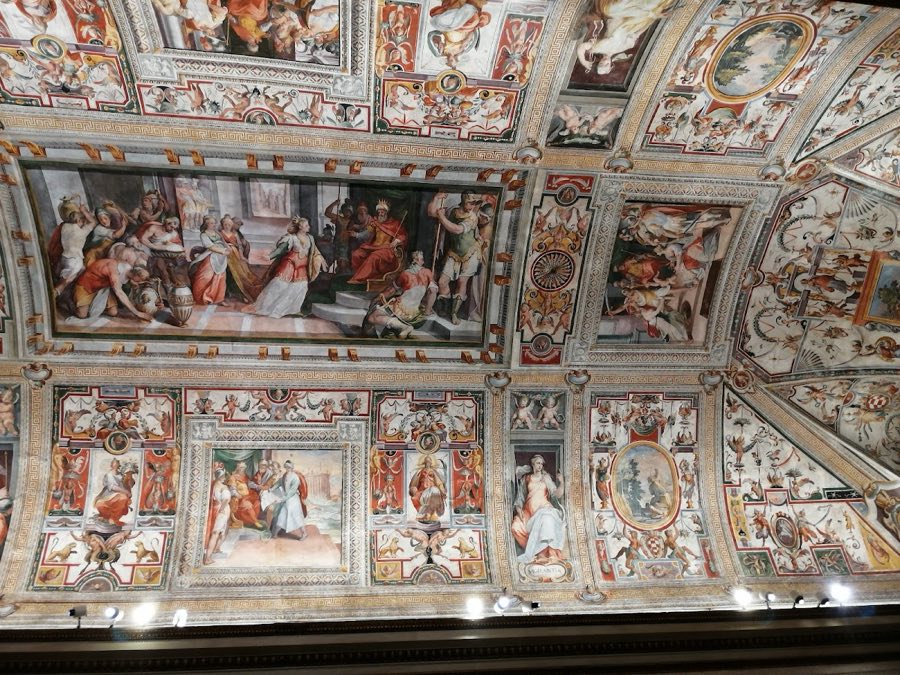
The palazzetto commissioned by Julius II and attributed to Giuliano da Sangallo is identifiable by its sheltered portico and the large cross-mullioned windows that characterize the elevation. Interior surfaces were adorned with painted programs; several rooms contain fresco work executed by painters from Perugino’s workshop, and the chapel and nave vaults received painted decoration by pupils of Raphael. A depiction once over the chapel altar showing the Eternal Father with angels and cherubs was removed and is now conserved at the Louvre, while fragments from a scene of Saint Cecilia’s martyrdom taken from the nave vaulting are preserved at the Musée des Beaux-Arts de Narbonne.
The chapel of San Giovanni Battista survives as a renovated element linked to the sixteenth-century campaign and later restorations. The complex underwent full restoration after the purchase by the Sovereign Military Order of Malta in 1959 and is presently maintained and used for the Order’s administrative functions connected with the adjacent hospital.
No. 80154
No. 76074
No. 60437
No. 95986
Comments
Comments for Castello della Magliana will require a verified account before posting.
We'll send a verification link before your first comment is published.