No. 18867
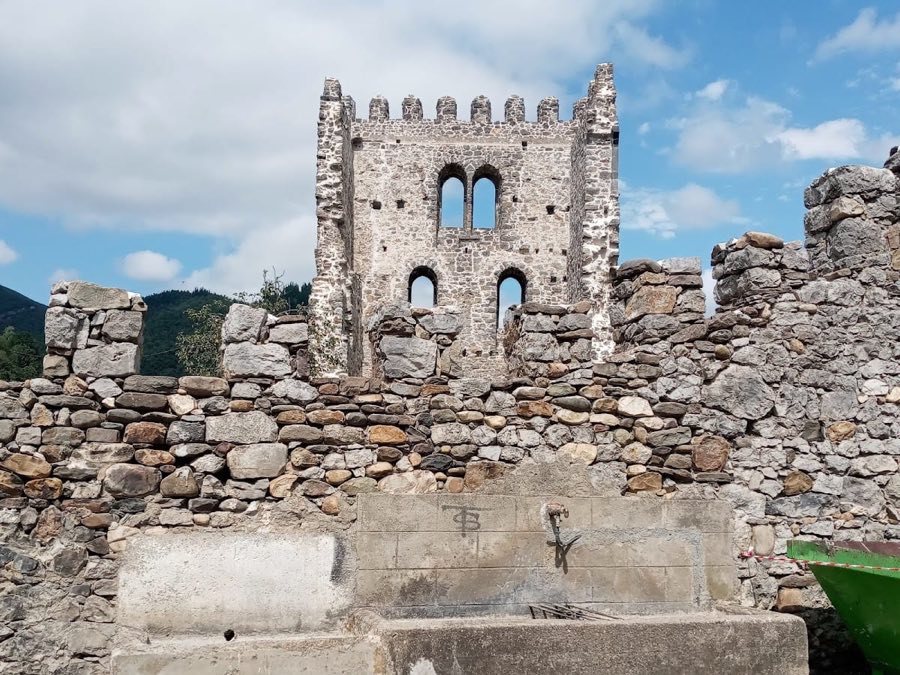
Castle of Soto
Spain
CastleRuin12th century
No. 31370
Castle · Spain
No. 31370 · 42.861 N, 5.444 W
Quick summary
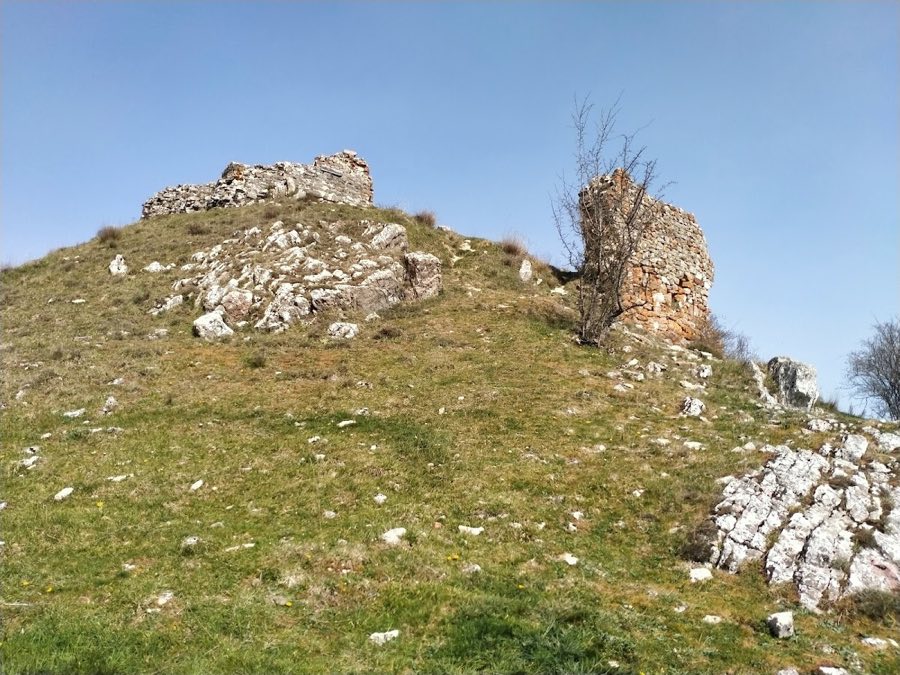
Castillo de Aviados is a castle in Spain with origins associated with the 7th century.
See all castles in SpainThe Castillo de Aviados stands in the locality of Aviados, within the municipality of Valdepiélago in modern Spain. It was constructed by medieval builders, serving part of a defensive network along one of the historic routes of the Camino de Santiago pilgrimage.
Local traditions link the origins of this fortress to Gundemaro, a Visigothic nobleman from the early 7th century. While this association contributed to later genealogical claims connecting the noble Guzmán family to Gundemaro, documentary evidence indicates that the castle itself was most likely built during the late 11th century, reflecting the period’s expansion and fortification efforts in the region.
From the late 13th century onward, the castle became closely tied to the aristocratic House of Guzmán. This connection began following the marriage between María Ramírez de Cifuentes and Juan Pérez de Guzmán, which brought the property into the family’s holdings. The Guzmán lords of Toral are known to have used Castillo de Aviados as a summer residence, underscoring the site’s role not only in defense but also as a noble retreat.
Throughout the Middle Ages, the castle was involved in various local power struggles, notably territorial disputes between the Guzmán family and neighboring noble lineages. It also holds a historical link to prominent figures such as Leonor de Guzmán and King Alfonso XI of Castile. In the 14th century, Pedro Núñez de Guzmán found refuge within its walls during a period of royal persecution under King Pedro the Cruel.
During the turbulent Castilian War of the Communities (1520-1522), the Guzmán family sided with the rebels opposing royal authority. As a consequence of their rebellion, King Charles I ordered the castle’s destruction, forcing the Guzmáns to flee to Portugal. Although the family’s properties were eventually restored through a royal decree in 1532, the fortress itself was not rebuilt and gradually fell into ruin.
Since the mid-20th century, the remains of Castillo de Aviados have been protected under Spain’s heritage laws, reflecting its significance as a historical monument despite its decline.
Perched atop a large limestone outcrop on the southern slopes of the Cantabrian Mountains, Castillo de Aviados was designed with strategic defense in mind. Its position dominated the surrounding landscape, offering a vantage point that made assault difficult. The castle’s layout included three concentric stone walls that encircled a rectangular tower placed at the highest point of the site, a configuration that contributed to its reputation as one of León’s most formidable fortresses during its time.
Constructed from locally sourced stone common to the region, the fortifications relied on robust masonry techniques typical of the late medieval period. Today, the site preserves primarily the remains of these defensive walls. The once-standing main tower, along with other internal buildings, no longer survives, leaving fragmentary ruins that mark the castle’s footprint.
Castillo de Aviados was part of a broader system of fortifications that included nearby strongholds such as those in Toral and Vegas del Condado, which together helped control and defend important routes. While the ruins offer limited indication of interior arrangements, the surviving walls convey the scale and defensive intent of the structure. Historical records emphasize the castle’s strength rather than ornamental or symbolic features, and no inscriptions or decorative elements have been documented in the existing remains.
Despite their ruined state, the visible stone walls remain a testament to the castle’s strategic purpose and the martial history tied to this location. The preservation of these ruins under heritage protection highlights the site’s continuing cultural significance in the region.
No. 18867
No. 29781
No. 38009
No. 93157
Comments
Comments for Castillo de Aviados will require a verified account before posting.
We'll send a verification link before your first comment is published.