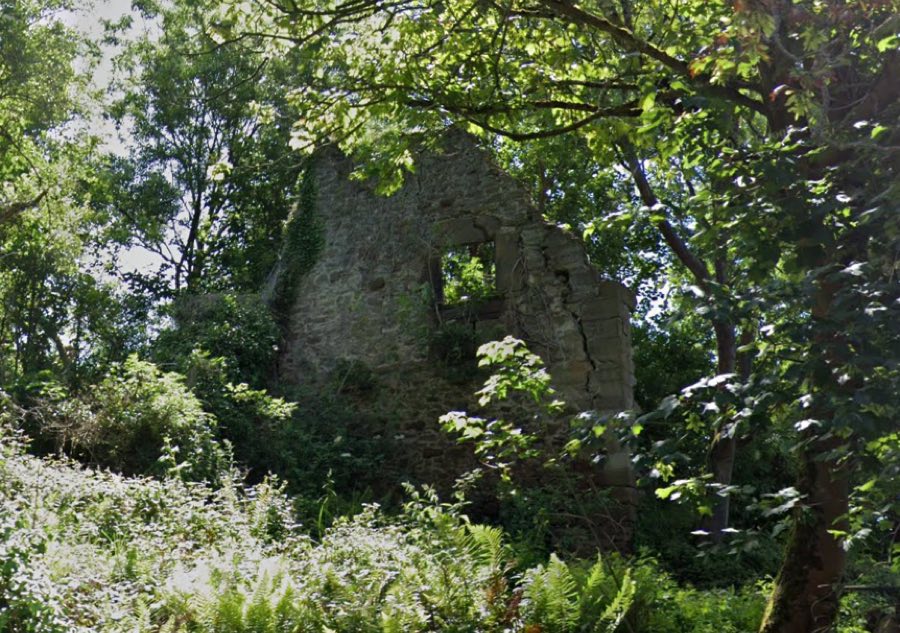
No. 29781
Castillo de Campogrande
Spain
CastleRuin15th century
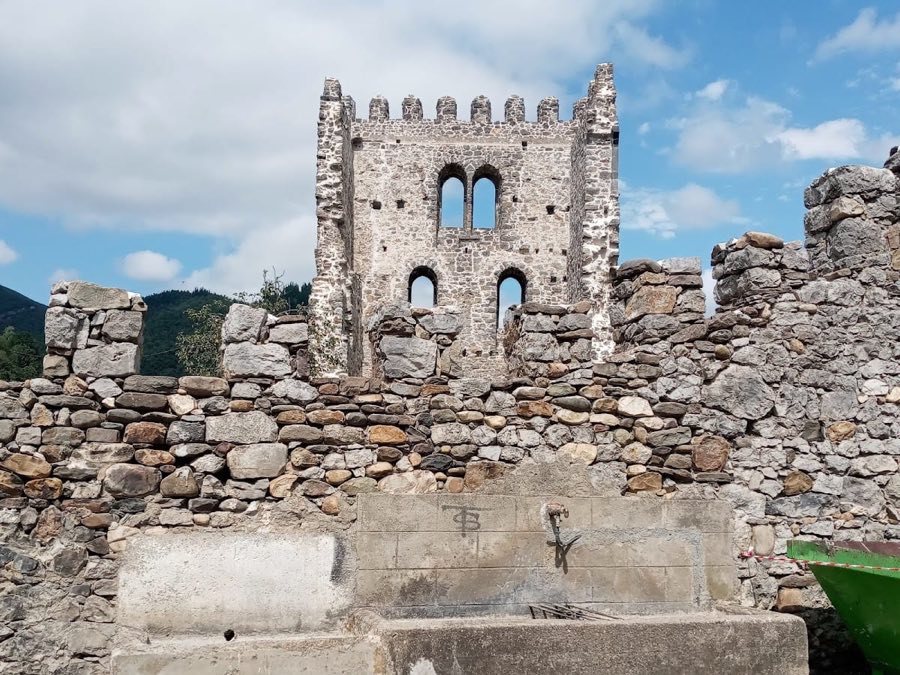
No. 18867
No. 18867 · 43.163 N, 5.644 W
Quick summary
Castle of Soto is a castle in Spain with origins associated with the 12th century.
See all castles in SpainThe Castle of Soto is located in the municipality of Aller, within Asturias, Spain. Its origins trace back to the medieval period, initially constructed in the 12th century by local noble families. Over time, the castle became closely associated with the García de Soto family, a prominent lineage that shaped much of the region’s historical narrative.
During the 14th century, the castle underwent significant reconstruction to better serve both defensive purposes and noble residence requirements. This phase transformed the building into a fortified home, reflecting the turbulent nature of the period and the needs for protection alongside domestic comfort. The castle’s role extended beyond mere residence; it acted as a bastion for local elites within the shifting political landscape of medieval Asturias.
In a notable historical interlude, Urraca the Asturian, who was the illegitimate daughter of King Alfonso VII and the wife of King Garcia Ramirez of Pamplona, spent time at the castle. She was granted the title of Queen of Asturias, a position under the suzerainty of the Kingdom of León. Her tenure represented a complex period marked by attempts among nobles to assert greater independence, ultimately leading to the loss of her royal title.
Centuries later, the castle served as a refuge during the Spanish War of Independence in the early 19th century, providing shelter for guerrilla fighters resisting Napoleonic invasion forces. Following this conflict, the castle gradually fell into neglect. Over the course of the 19th century and beyond, it deteriorated substantially, reaching a state of ruin and facing the risk of collapse.
Recognizing its cultural and historical value, the Castle of Soto was officially declared a Bien de Interés Cultural—a cultural heritage monument—on 10 July 1975. More recently, from April to August 2022, major restoration work was undertaken to stabilize the remaining structures and protect the site for future generations. The castle remains a significant emblem of the Asturian region’s layered past.
The surviving remains of the Castle of Soto primarily date from the 14th-century reconstruction, showcasing the characteristics of late medieval fortifications combined with residential features. The castle exhibits thick walls and rounded towers, architectural elements typical of the late Gothic period designed to enhance defense capabilities while accommodating noble living spaces.
The structure’s cylindrical towers were integral to its defensive function, providing vantage points for surveillance and fortification against attackers. These robust stone towers rise from the fortified walls, which themselves are notably thick, constructed to withstand assaults and sieges common in the medieval era. The blending of military and domestic architecture reveals the dual role the castle played over time, serving as a stronghold and a noble residence.
Before the extensive restoration in 2022, the castle was in a fragile condition, with its ruins at serious risk of collapse due to centuries of neglect. The recent conservation efforts focused on stabilizing these stone structures to preserve their form without altering their historical authenticity. Today, the ruins stand as a testament to the castle’s enduring presence within the village of Soto de Aller, maintaining their place as a visible reminder of the region’s medieval heritage.
No. 29781
No. 38009
No. 31370
No. 99427
Comments
Comments for Castle of Soto will require a verified account before posting.
We'll send a verification link before your first comment is published.