No. 77956
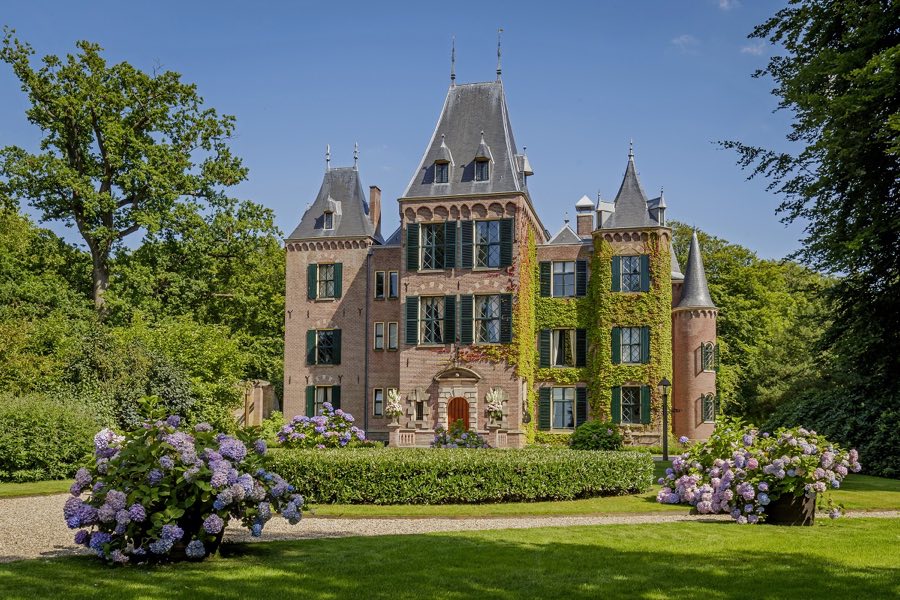
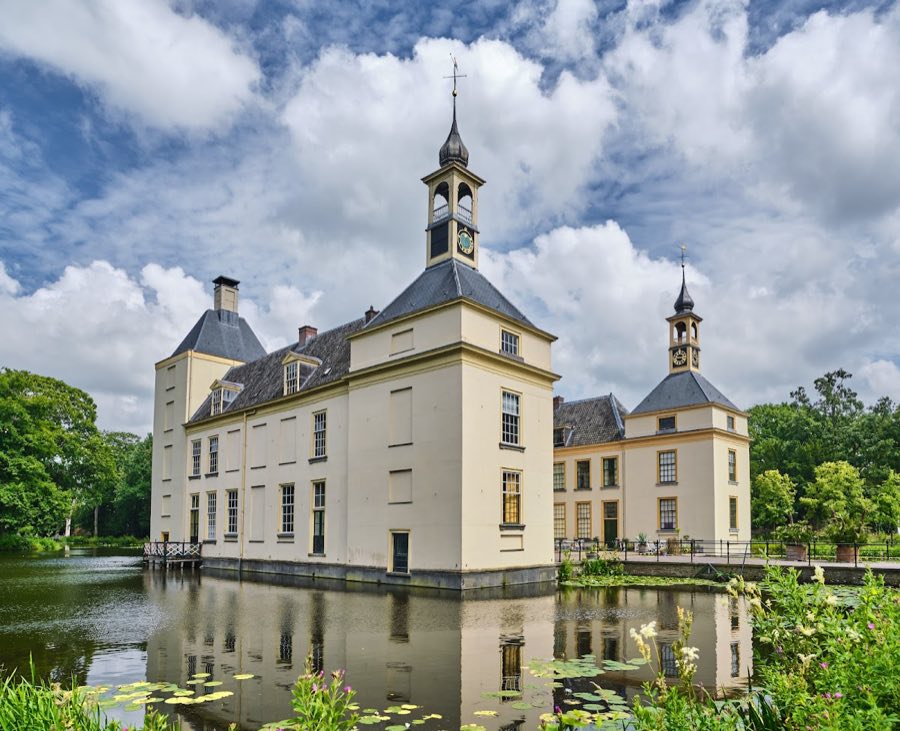
Castle Keukenhof
Netherlands
CastleRestoredFor events17th century
No. 59477
Castle · Netherlands
No. 59477 · 52.426 N, 4.622 E
Quick summary
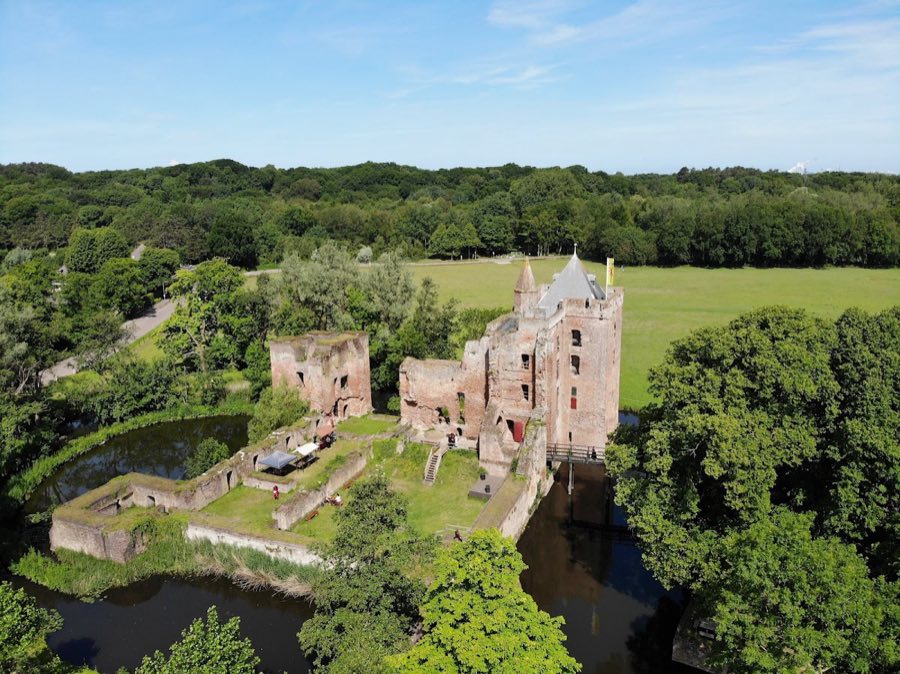
Castle Brederode is a castle in Netherlands with origins associated with the 15th century.
See all castles in NetherlandsCastle Brederode stands in Santpoort-Zuid, Netherlands, and was built by medieval Dutch nobility, the van Brederode family.
The site was established in the second half of the 1200s by William I van Brederode as part of the high lordship of Brederode, held from the count of Holland. The place name comes from a cleared woodland known as Brede Roede, on which the castle was raised. In its earliest phase the stronghold consisted only of a single residential tower.
Around 1300 Dirk II (Thierry II) van Brederode removed that original tower and put up a square-plan castle in its place. During the Hook and Cod wars the castle came under attack in 1351, when Gijsbrecht (II) van Nijenrode laid siege. After the defenders surrendered the structure suffered such damage that it was torn down. Following a reconciliation with the counts, rebuilding took place in 1354; the castle’s present ground plan stems from that reconstruction. After this work it was used by William van Brederode as a base for the Hook faction rather than being kept as the family’s principal home.
Conflict returned in the 15th century, when in 1426 the Cod faction destroyed the southern section of the castle. William van Brederode was forbidden to repair or strengthen the damaged portion, and only the northern part was restored later, in 1464. The fortress was plundered again during the Kaas- en Broodvolk uprising of 1492 and fell out of habitation after that event. In 1568 ownership passed to the States of Holland.
During the war for Haarlem, in 1573 the Protestant Lancelot van Brederode was executed and the castle was sacked and set alight. The burned ruin then faced invasion by drifting dune sand. In 1579 a collateral branch of the Brederode family received the lordship on loan from Holland, but when Wolfert van Brederode died in 1679 the remains reverted to the States of Holland. With the Batavian Republic’s establishment in 1795 the property became state-owned. In the 1800s the government carried out one of the country’s early restorations, approached in a romantic style. The ruins were later designated the first national monument of the Netherlands, with national monument number 37110. State ownership and management continued until 15 January 2016, when responsibility was handed to the national monuments organization (Stichting Monumentenbezit / Nationale Monumentenorganisatie).
The surviving layout preserves the plan established after the mid-14th century rebuilding. Archaeological and structural evidence shows the complex had a clear division between northern and southern zones, with the present ground plan originating in the reconstruction completed in 1354. The southern half was removed in 1426, while work to repair the northern section was finished in 1464, so the visible arrangement reflects those phases of loss and repair.
A residential tower, known as the donjon, is among the standing elements. The site first existed as a single tower in the late 1200s and a tower form remains within the ruins; it stands as the principal vertical feature and is recorded as accessible today. Views across the ruin also show the main gate or front entrance of the castle, which marks the former principal approach. Foundations for the north-eastern defensive tower survive in place and reveal the original footprint of that corner. These elements record successive episodes of construction, damage, partial rebuilding, plunder, and later conservation.
Over time the ruin was affected by fire, looting, and encroaching dune sand, and in the 19th century the state carried out restoration work with a romantic sensibility that altered and consolidated portions of the remains. In modern times the ruin has been conserved and managed by national authorities and by the national monuments organization, preserving the standing donjon, the gate area, and the in situ foundations of the north-eastern tower as the principal archaeological and architectural features visible today.
No. 77956
No. 53482
No. 23248
No. 69305
Comments
Comments for Castle Brederode will require a verified account before posting.
We'll send a verification link before your first comment is published.