No. 24265
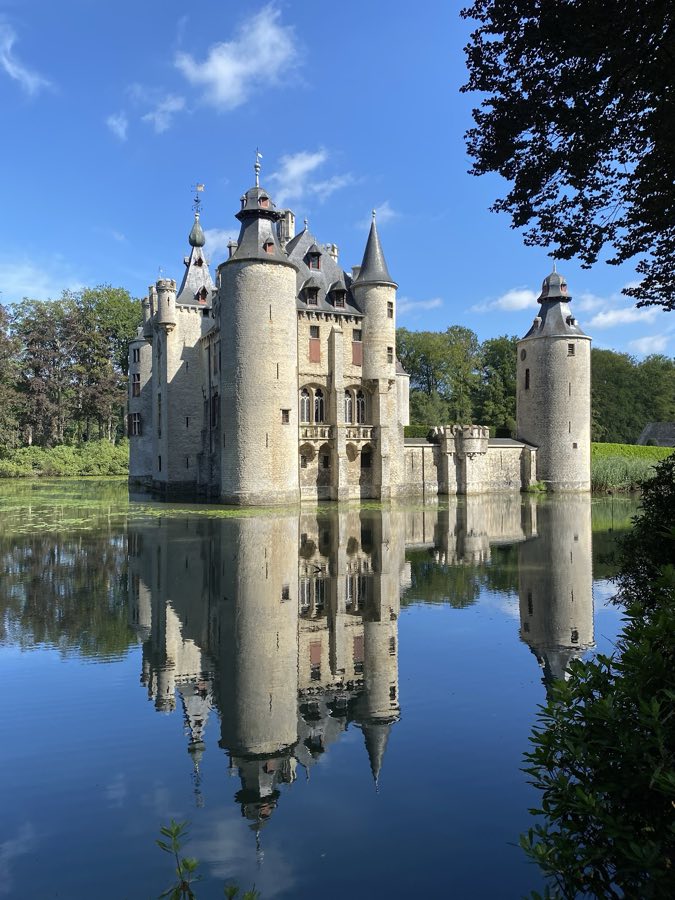
Borrekens Castle
Belgium
CastleRestored13th century
No. 34010
No. 34010 · 51.301 N, 4.728 E
Quick summary
Castle de Renesse is a castle in Belgium with origins associated with the 15th century.
See all castles in BelgiumCastle de Renesse is located in Malle, a municipality in the province of Antwerp, Belgium. The site’s earliest known castle was built in the 15th century by Willem van Berchem, a nobleman residing in nearby Wommelgem. Construction began in 1431 and continued until 1464, establishing a fortified residence during the late medieval period.
This original castle was destroyed in 1542 during a military campaign led by Maarten van Rossum, a commander fighting on behalf of William, Duke of Guelder, against Emperor Charles V. The destruction marked a significant conflict in the region, reflecting the turbulent political landscape of the time.
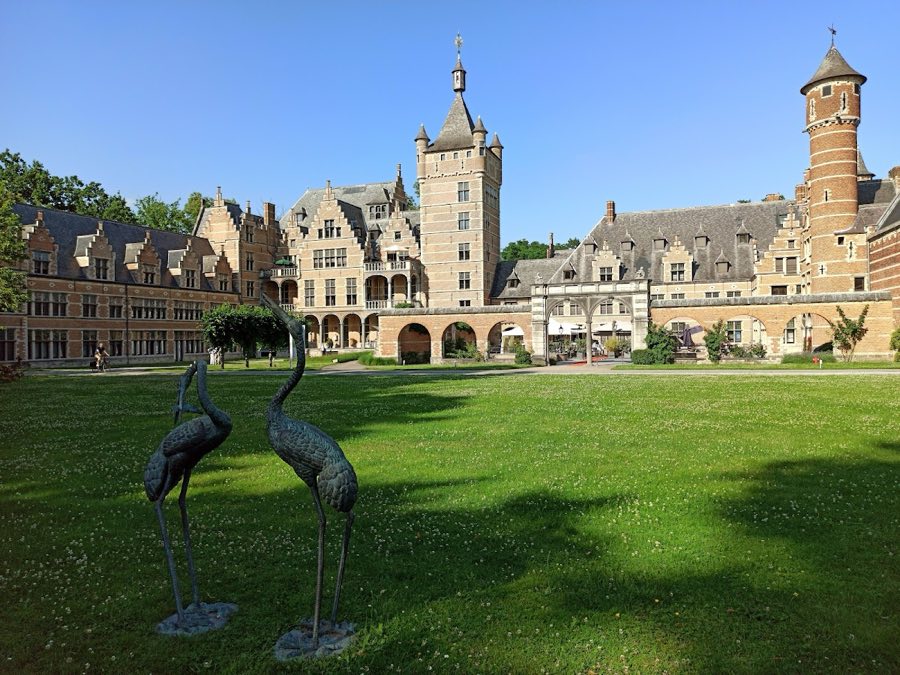
Between 1545 and 1548, Jan van Renesse undertook the castle’s reconstruction. He incorporated the surviving main tower from the original structure into a horseshoe-shaped complex of service buildings, known as the neerhof. A new square main building with four corner towers was erected, creating a prominent residence. The castle became a site of political importance, hosting notable figures such as Emperor Charles V, Margaret of Parma, William I of Orange-Nassau, and Lamoral, Count of Egmont.
Ownership of the castle and its surrounding lands changed several times over the centuries. In 1830, Viscount Leonard du Bus de Gisignies acquired the property. He transformed the service buildings into a country house with large windows and Empire-style interiors. Du Bus de Gisignies also developed the park into an English garden, planting several sequoia trees, including one that remains the thickest in Flanders.
The Renesse family regained possession of the castle in 1896 through marriage. In 1920, the castle underwent renovation in the Flemish Neo-Renaissance style. However, only the right wing was completed in this style, while the 16th-century left wing remained intact but ceased to serve as living quarters.
During World War II, the castle suffered damage when British forces bombed part of the west wing in 1941. This section was never restored. In 1944, the castle was repurposed as a hospital by British and Canadian troops, reflecting its strategic use during the conflict.
After the death of Count Thierry de Renesse-Breidbach in 1973, negotiations led to the municipality of Malle acquiring the castle and part of its domain in 1983. The Flemish government purchased the remaining land. Since 1985, the castle and its grounds have been managed by the non-profit organization Domein de Renesse. The castle has been protected as a monument since 1982, ensuring its preservation for future generations.
The castle complex features a square main building constructed between 1545 and 1548, characterized by four corner towers and a tiled roof. The towers are covered with gold-colored slate, a distinctive feature from the Renaissance rebuilding phase. The original main tower from the 15th-century castle survived the destruction of 1542 and was integrated into the horseshoe-shaped service buildings, known as the neerhof. These service buildings connect to the main courtyard, or opperhof, by a bridge.
In the 19th century, the service buildings were converted into a country house with large windows and interiors reflecting the Empire style. The surrounding park was designed as an English garden, notable for its three sequoia trees. One of these trees, located behind the castle, is the thickest and possibly the largest sequoia in Flanders. It has been protected as a monument since 2010.
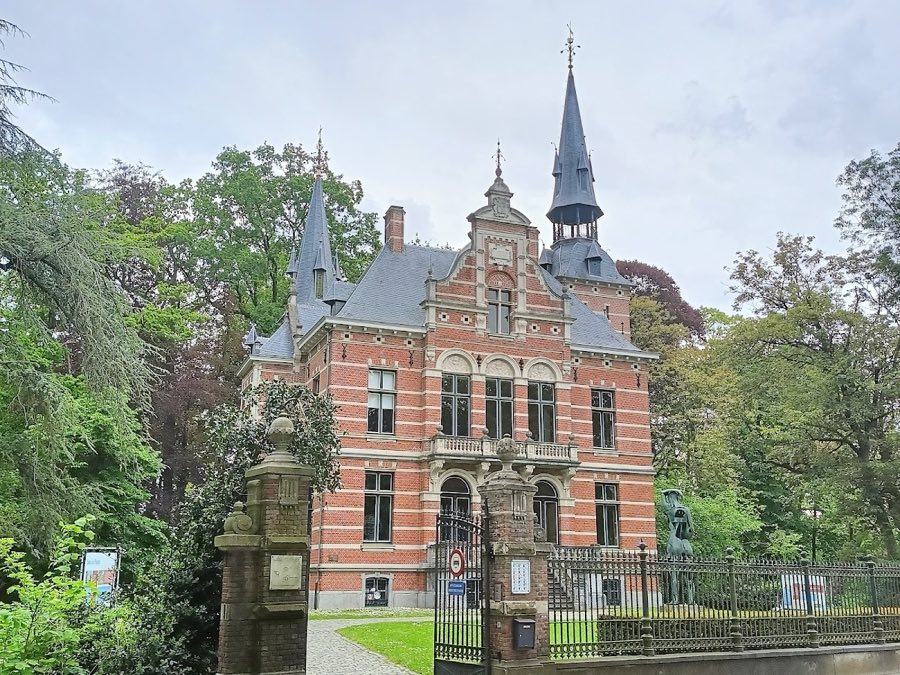
Several ancillary buildings within the castle grounds are also protected. The coach house, originally built in 1830 and modified in 1932, now houses a local heritage society and a brasserie. The rentmeesterwoning, or steward’s house, dates from 1882 and features Neo-Renaissance architecture with alternating layers of brick and sandstone. The boswachterswoning, or forester’s house, was built in 1908 and includes an adjacent shed and a traditional bread oven. The portierswoning, or gatekeeper’s house, likely constructed around 1880, shares architectural similarities with the rentmeesterwoning.
The park contains an ice cellar built in 1835 for storing ice throughout the year. Historically, local residents could access the ice with a doctor’s note. Today, the ice cellar is a protected monument and serves as a habitat for bats, managed by the nature organization Natuurpunt Voorkempen.
The west wing of the castle was partially destroyed by bombing in 1941 and remains unrestored. The 16th-century left wing still stands but is no longer used as a residence. The entire castle domain covers about 60 hectares, featuring marked walking paths and a blend of historic and natural elements preserved within the estate.
No. 24265
No. 49516
No. 35566
No. 82433
Comments
Comments for Castle de Renesse will require a verified account before posting.
We'll send a verification link before your first comment is published.