No. 29370
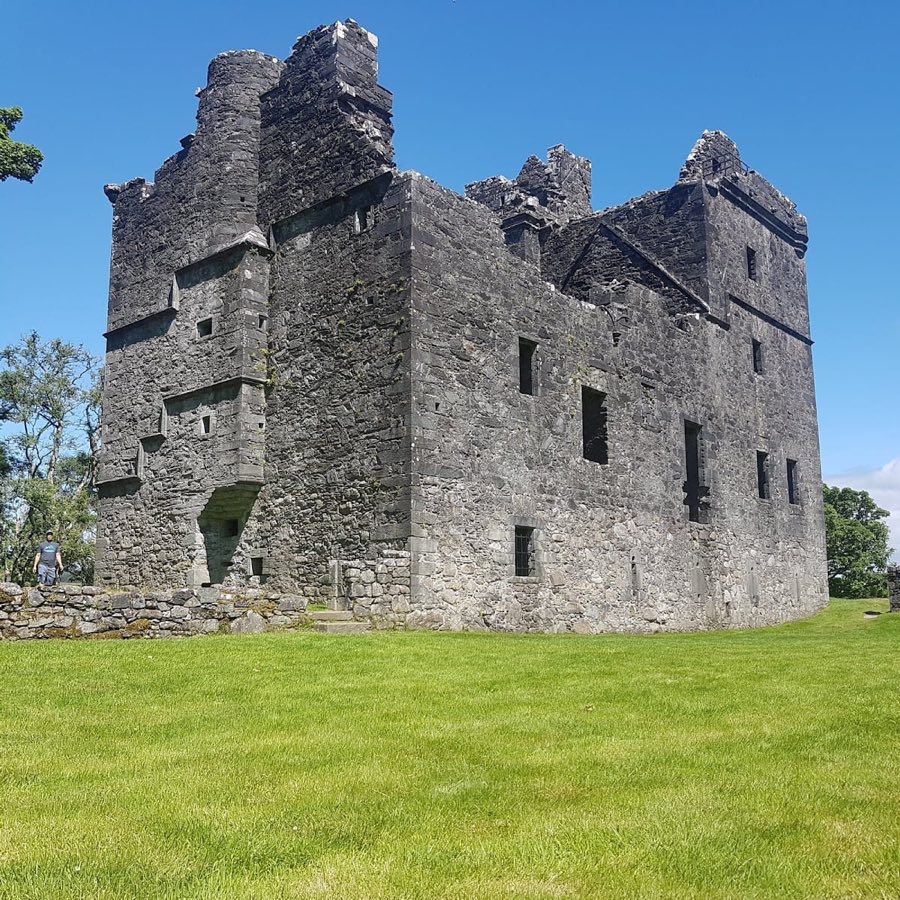
Carnasserie Castle
United Kingdom
CastleRuinFor events16th century
No. 11415
Castle · United Kingdom
No. 11415 · 55.964 N, 5.341 W
Quick summary
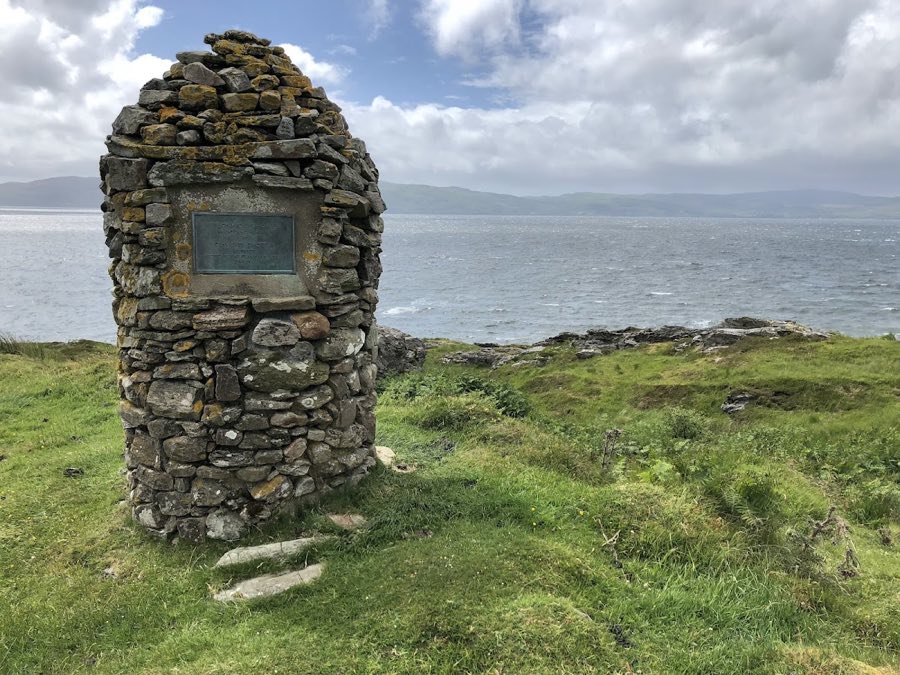
Castle MacEwen is a castle in United Kingdom with origins associated with the 15th century.
See all castles in United KingdomCastle MacEwen is located near Kilfinan within the municipality of Tighnabruaich, in present-day Scotland. This site was established by the medieval Scottish clan known as the MacEwens of Otter. The earliest known phase of the site featured a medieval dun, a type of small fortification common in Scotland during the Middle Ages. This original fortification was eventually replaced by a promontory fort, which took advantage of the natural landforms overlooking Loch Fyne. Over time, the site evolved further, transforming into a medieval homestead. This later phase incorporated the earlier fortifications into a defensible dwelling, reflecting changes in the use and function of the place as the clan’s needs shifted.
In the year 1432, the castle’s chief, Swene MacEwen, formally surrendered his barony to King James I of Scotland. As part of this agreement, the king set a condition that if Swene died without an heir, ownership of the lands and castle would pass to Celestine Campbell, a member of the powerful Clan Campbell. Upon Swene MacEwen’s death in 1493, without any direct descendants, the property accordingly transferred into the hands of a Campbell branch. This transition marked a significant change in control, linking the site to one of Scotland’s most influential clans and altering the local power dynamics.
The archaeological remains at Castle MacEwen reveal a layered history of construction, adaptation, and defensive strategies. The site’s layout shows the progression from an early palisaded enclosure, likely consisting of wooden stakes forming a perimeter, to a more robust promontory fort built on the same location. This fort utilized natural cliffs and steep slopes for defense, supplemented by man-made earthworks.
Excavations uncovered large rectangular stones integrated into the walls during the medieval homestead phase, strengthening the original fortifications. These stones were added to the existing structures, demonstrating a deliberate reuse of earlier defensive elements within the domestic setting. Alongside the walls, two passages leading down to the sea were discovered on opposite sides of the fort, suggesting controlled access points to the water and providing insight into transportation or supply methods connected to the site.
Evidence of heating or burning was found in the form of vitrified material within the fort’s remains, indicating that parts of the structure were exposed to intense heat at some point, potentially during conflict or deliberate clearing. Postholes identified as dating from the 15th and 16th centuries suggest the presence of timber buildings within the fort’s enclosure during these later periods.
One notable structure uncovered near the entrance rampart was a round house featuring a cobbled stone floor, probably used for storage. In addition, an unusual building with a shape resembling that of a boat was found just outside the main defensive walls. Although no artifacts were recovered from these buildings, their forms contribute to understanding the site’s layout and the functions assigned to different areas within and around the fortifications. All archaeological finds, including pottery shards from the 13th to 18th centuries, a 12th-century crucifix, and a 15th-century coin known as a groat, have been preserved at the Glasgow Art Gallery and Museum.
No. 29370
No. 31797

No. 92451
No. 58294
Comments
Comments for Castle MacEwen will require a verified account before posting.
We'll send a verification link before your first comment is published.