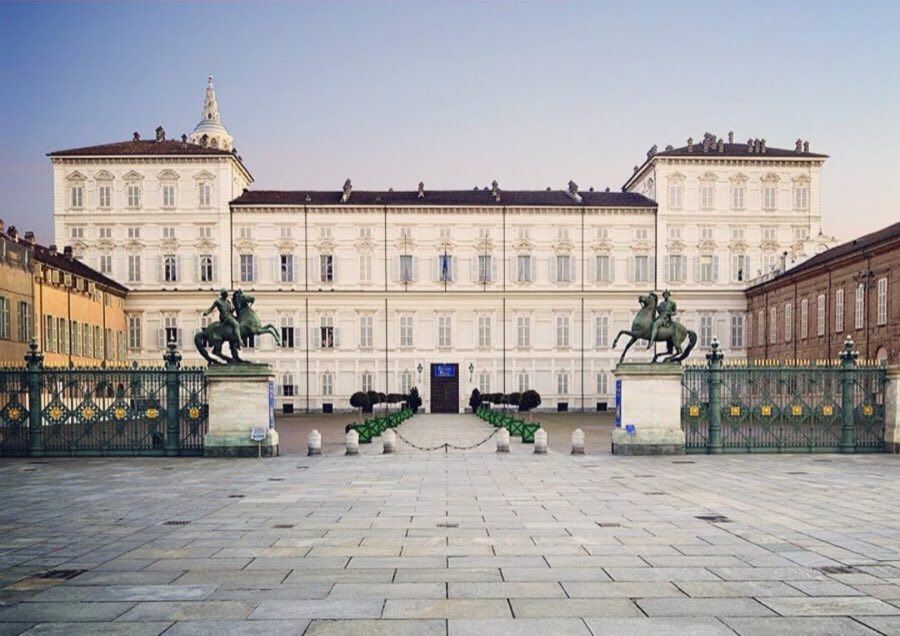
No. 49619
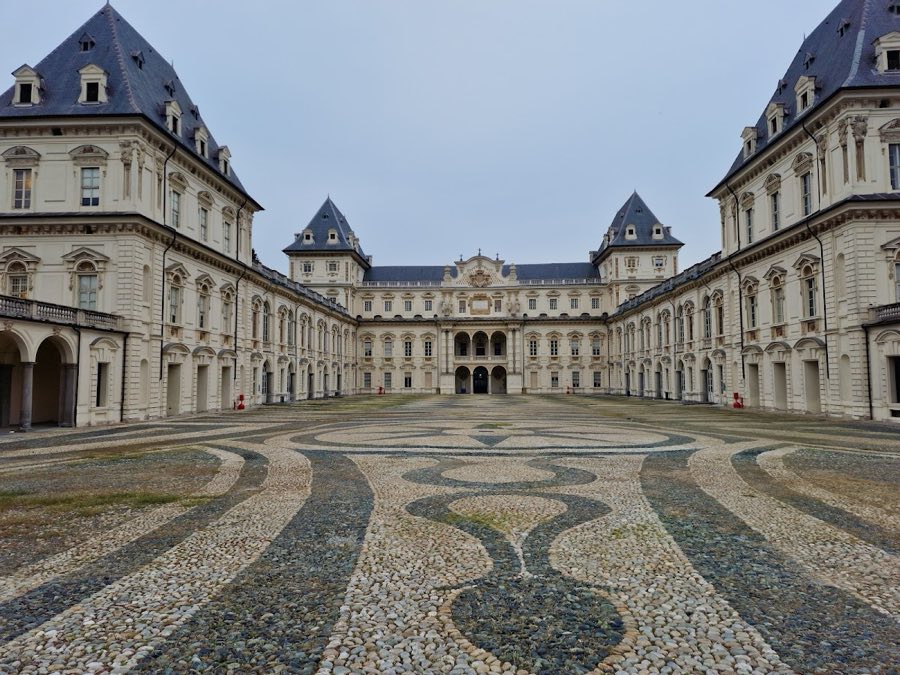
Royal Palace of Turin
Italy
PalaceRestored17th century
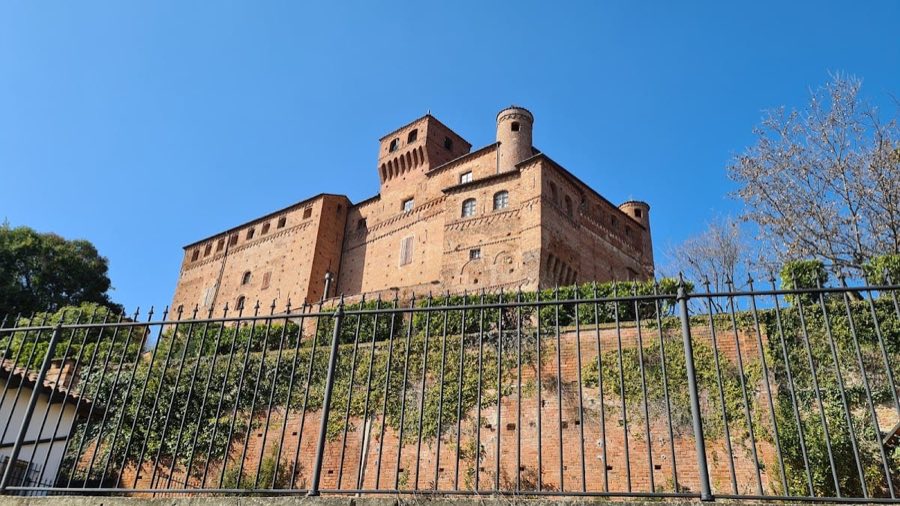
No. 52507
No. 52507 · 45.097 N, 7.842 E
Quick summary
Castle of Bardassano is a castle in Italy with origins associated with the 11th century.
See all castles in ItalyThe Castle of Bardassano stands in the hamlet of Bardassano within the municipality of Gassino Torinese in modern Italy. It was originally constructed during the medieval period, with its origins traced back to the 11th century, reflecting its establishment by the medieval inhabitants of the region.
The first recorded mention of the castle dates to 1290, at which time the fortress was under the control of the Republic of Chieri, a regional power during the Middle Ages. Under Chieri’s rule, the castle likely served a dual purpose: functioning as a prison and acting as a fortified stronghold guarding against incursions from the neighboring Marquisate of Monferrat. The castle’s defensive role positioned it strategically in local power struggles of the period.
Local traditions add a legendary dimension to the site’s history by suggesting that Emperor Frederick Barbarossa stayed within its walls in 1156 following his military campaign against the city of Chieri. While this event is passed down through oral history, no documentary proof has survived to verify the emperor’s presence at Bardassano.
Throughout the late medieval era, the castle faced challenges from regional conflicts, including opposition from Monferrin forces. Notably, the nearby Castle of Tortondenito, also called Il Castellone, was destroyed in the late 14th century by troops led by the condottiero Facino Cane, though Bardassano itself endured this period.
The 14th century brought significant alterations to the castle’s structure, reflecting evolving defensive and residential needs. Later, in the 17th century, the fortress underwent extensive restoration that included converting some of its external defensive walls into terraced gardens, underscoring a shift from purely military use to a more residential or aesthetic function.
Ownership of the Castle of Bardassano passed through several noble families over the centuries. These included the Sumont, Provana, Balbo Bertone, and Villa families, who each contributed to the castle’s history until it came into the possession of the current owners, the Giriodi di Panissera di Monastero family. In modern times, architect Carlo Nigra supervised a restoration project aimed at preserving the castle’s historical and architectural heritage.
The Castle of Bardassano presents a well-preserved example of medieval and Renaissance architecture built primarily from robust brickwork. Its main layout centers on a fortified structure featuring round towers at the corners and a prominent keep that aligns with the curtain wall—these elements form the original medieval core of the fortress. This arrangement afforded strong defensive capabilities typical of 11th and 14th-century castles.
A later addition to the complex is a wing extending outward from the original fortified section. This wing lacks towers, indicating a shift toward more residential and less militarized architecture during subsequent building phases.
Significant modifications in the 17th century introduced Renaissance influences to the castle’s interiors and exterior. Notably, a marble staircase was added, connecting the grounds to an internal courtyard, reflecting the period’s aesthetic preferences. Inside, the ground-floor halls feature wooden paneling and paintings from the same era, offering insight into the castle’s adaptation to more domestic uses.
Externally, parts of the original fortifications were repurposed into garden terraces during the 17th-century renovations. This transformation illustrates a changing attitude toward the castle’s surroundings, moving away from strict military application toward leisure and visual appeal.
Today, the castle remains in good condition, retaining much of its medieval fortification along with the Renaissance enhancements that followed. Its preservation allows for a clear understanding of the castle’s architectural evolution across centuries. While local lore associates the site with Emperor Frederick Barbarossa’s presence, these traditions complement but do not replace the well-documented physical features preserved on-site.
No. 49619
No. 11612
No. 96480
No. 49931
Comments
Comments for Castle of Bardassano will require a verified account before posting.
We'll send a verification link before your first comment is published.