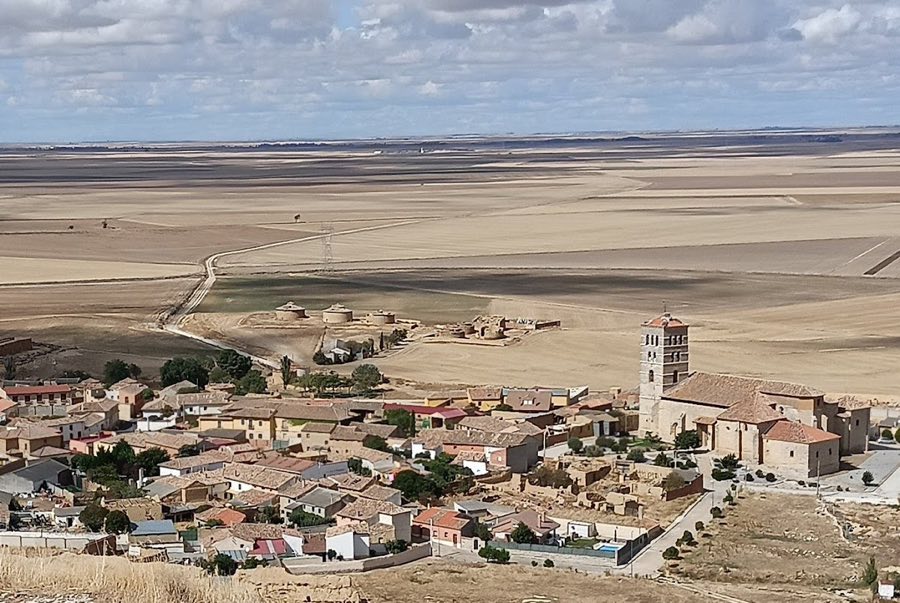
No. 72597
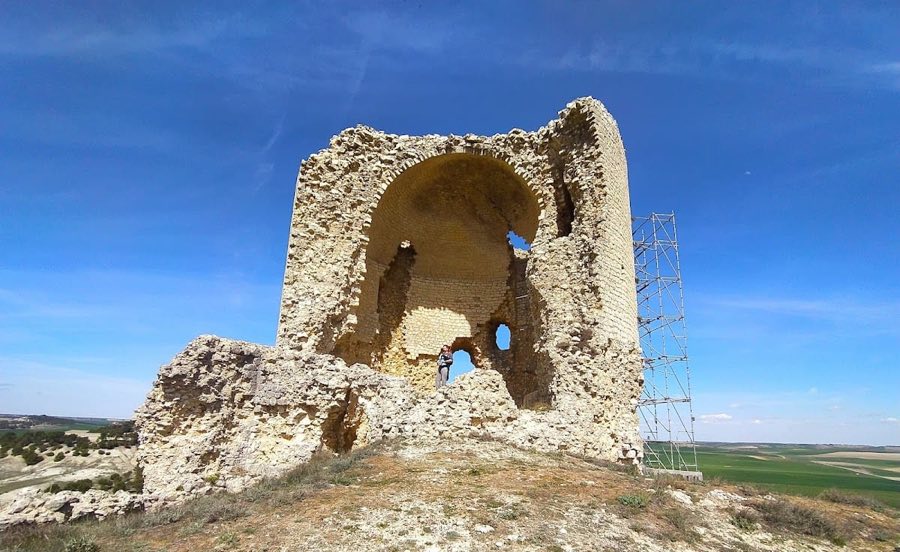
Torremormojón Castle
Spain
CastleRuin12th century
No. 72355
Castle · Spain
No. 72355 · 41.990 N, 4.273 W
Quick summary
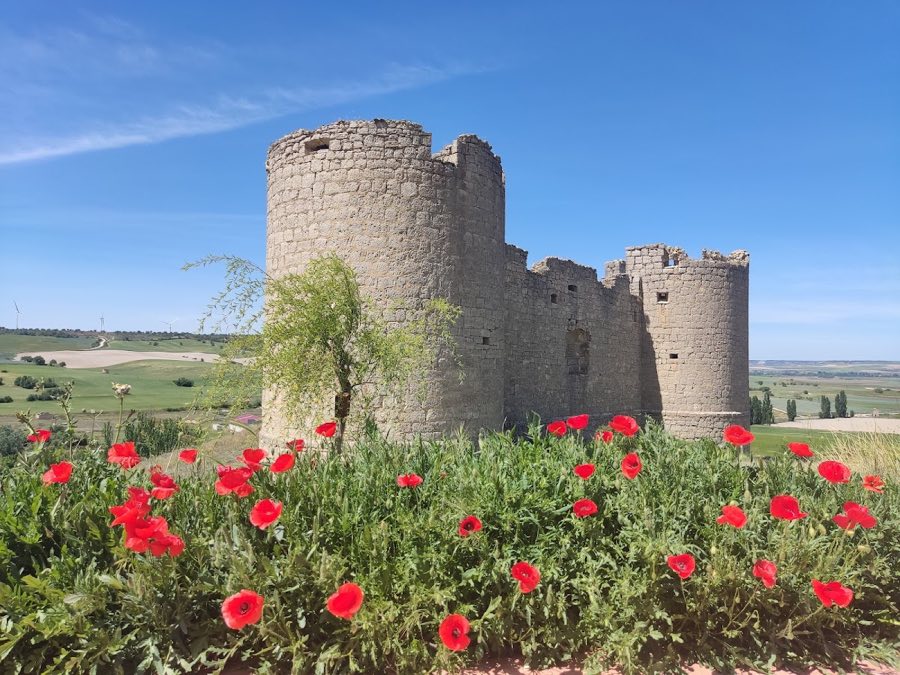
Castle of Hornillos de Cerrato is a castle in Spain with origins associated with the 16th century.
See all castles in SpainThe Castle of Hornillos de Cerrato is situated in the municipality of Hornillos de Cerrato in Spain. It was constructed during the 16th century, erected upon the foundations of an earlier building, reflecting the evolving nature of fortifications during this period.
At the beginning of the 16th century, the castle was the property of Bernardino Pérez de Sarmiento, the Count of Ribadavia. Records from 1503 indicate that the king questioned Bernardino regarding the castle’s governor, who had compelled local residents to undertake guard duties, suggesting the site’s role in regional defense and local governance.
Ownership of the fortress changed hands several times over the following centuries. In 1530, the castle passed to Francisco de Cobos, a notable secretary to King Charles I of Spain. Seven years later, in 1537, it transferred to Pedro Fernández Portillo. By the mid-16th century, José de Guevara became its owner, succeeded in 1591 by Pedro Fernández de Villarroel. Later, by the middle of the 18th century, the castle was under the possession of the Marquis of San Vicente. These successive transfers reveal how the stronghold was tied to influential figures in Spanish noble and administrative circles.
From at least the 18th century onwards, the castle fell into ruin. Despite its decline, the site remains of cultural and historical interest and is now protected under Spanish heritage legislation, including a decree from 1949 and the broader Law 16/1985 concerning Spain’s historical heritage.
The Castle of Hornillos de Cerrato was built as a square fortress with three floors, featuring robust corner towers known as cubos, which were designed to strengthen its defensive capabilities. Its structure reflects the military architecture of the early modern period when artillery was becoming a decisive factor in fortification design.
Among these corner towers, the southeast tower is notable for a carved heraldic emblem in the form of a saltire, an X-shaped cross. This decorative shield likely served as a symbol of the castle’s owners or their lineage. The exterior walls are marked by a horizontal band called a string course or imposta that runs above the first floor, providing both structural and aesthetic function.
The fortress includes large windows alongside mailbox-style loopholes, known as troneras de buzón. These narrow openings were specifically adapted to allow defenders to fire weapons while remaining protected, underscoring the castle’s role as an artillery stronghold. Above the walls, a battlemented parapet once crowned the structure, offering additional protection for those stationed atop the castle.
Today, the remains of the castle are fragmentary. The east façade still stands largely intact, while a door with a semicircular arch on the nearly buried north wall remains visible. The central spaces have been filled with rubble, reflecting centuries of decay. The preservation of partial walls and some architectural details allows a glimpse into the castle’s original form and defensive purpose, even as much of the structure lies in ruin.
No. 72597
No. 89148
No. 77210
No. 33698
Comments
Comments for Castle of Hornillos de Cerrato will require a verified account before posting.
We'll send a verification link before your first comment is published.