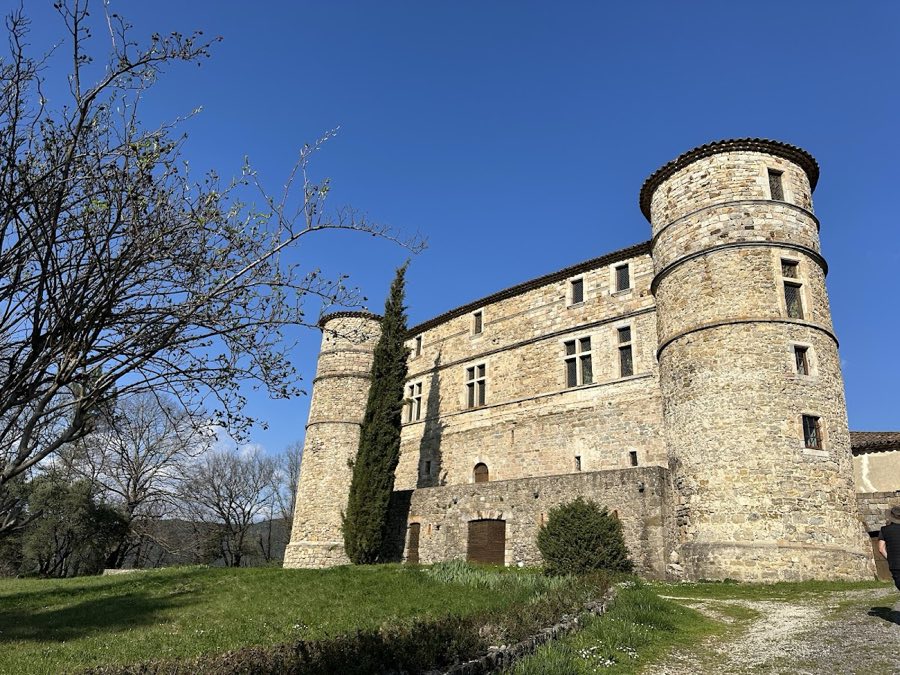
No. 16653
Le Castellas of Saint-Bonnet-de-Salendrinque
France
CastleRuin9th century
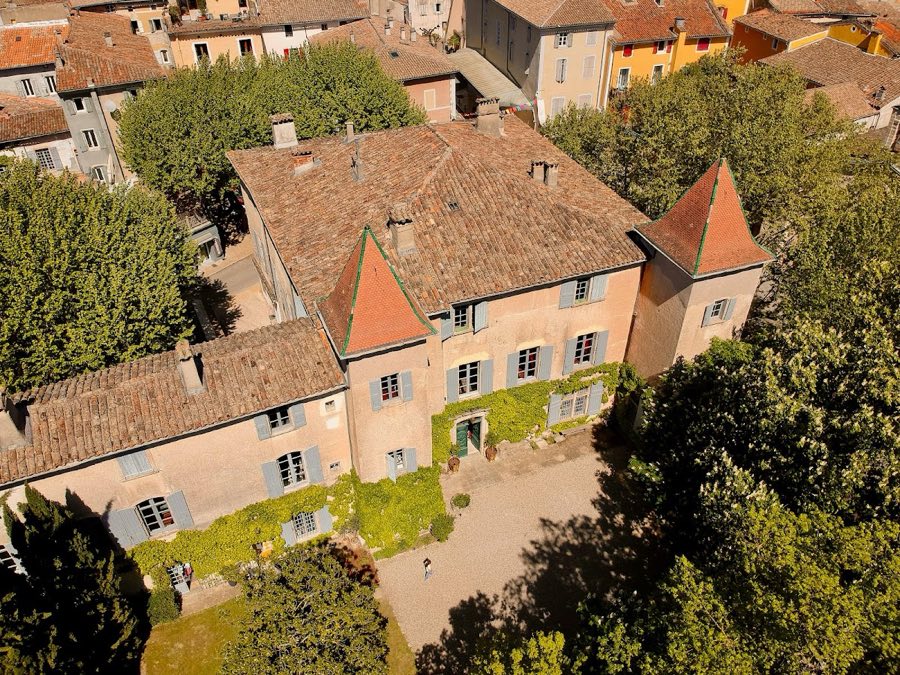
No. 64743
Castle · France
No. 64743 · 44.105 N, 3.884 E
For events
Castle of Saint-Jean-du-Gard is marked as a château or castle venue lead. Capacity, indoor/outdoor spaces, catering rules, and accommodation options are published only after public verification.
Event types: Private events, Cultural gatherings, Filming and photography
Quick summary
Castle of Saint-Jean-du-Gard is a castle in France with origins associated with the 14th century.
See all castles in FranceThe Castle of Saint-Jean-du-Gard in Saint-Jean-du-Gard, France, is a medieval residence associated with the local lords of Saint Jean, first recorded in 1314 and rebuilt during the 1500s with further expansion in the 1600s. From its origins as a seigneurial home, the site played a recurring role in regional politics and religion, serving as a noble household, a place of Protestant worship for a period, and later a royal garrison during centralised state interventions in the Cévennes.
The building appears in records of the early 14th century and by the end of that century local authorities ordered repairs to return the structure to its occupant. In the 1400s Jean III de Mirols acquired part of the lands and adopted a baronial title connected to nearby places; in the following century his heirs transferred the barony through sale and cession until Antoine de Saint Bonnet became seigneur. In 1546, under the reign of Francis I, the domain was brought into the king’s possessions and a formal seigneury was established, granting the lord jurisdiction over serious crimes, intermediate offences and local disputes; Antoine de Saint Bonnet was named the first holder of that office.
Religious conflict reshaped the castle’s history. In 1560 Honorat of Savoy, serving as lieutenant general in the region, marched on the site and set the house ablaze because the Saint Bonnet family followed the Reformed faith. The fortress was rebuilt later in the same century, and in 1569 a Protestant place of worship was consecrated on the castle’s north-facing wall. During renewed fighting between 1620 and 1629 the household received the Duke of Rohan, a leading figure of the Reformed movement, on repeated occasions.
Ownership passed in 1652 when Henry of the Saint Bonnet line sold the property to Édouard de Carlot. Édouard enlarged the residence with an added wing, and he obtained formal rehabilitation of his status from Louis XIV while arranging the future use of his estate with conditions tied to his daughter’s male offspring. Subsequent inheritance brought the castle into the hands of Jacques de Vignolles and, by marriage, into the Hostalier family, who served as counsellors at the financial court in Montpellier.
Tensions over Protestant worship continued. In 1685 the castle’s temple was demolished after the lord hosted secret Protestant meetings there. That same year Louis XIV revoked the Edict of Nantes, the 1598 decree that had granted Protestants legal protections; the revocation removed those protections and the crown converted the site into a royal garrison, using its detention rooms extensively. One recorded episode from this period notes the escape of Pastor Roman from the castle’s prisons. During the Camisard uprising that followed anti-Protestant repression, the château received royal envoys charged with restoring order in the Cévennes, including high-ranking officials and generals sent from Paris.
The Hostalier line kept the estate until it was sold on 20 December 1816 to Louis Dupuy de Montbrun d’Aubignac, a former military captain. The property remained within that extended ownership line until a sale in December 1995, and new private ownership changed hands again in October 2022. The monument is now in private care and the owners organise cultural events on the premises.
The castle’s layout centers on a main living block, known historically as the corps of lodging, which was altered in successive campaigns of rebuilding. A major change in the mid-1600s added a wing that stretched the principal residential block and produced a prominent south-facing façade measuring about 40 metres. This principal front reflects the 17th-century expansion that reshaped the castle’s outward appearance.
Along the north side the building once incorporated a Protestant temple that was consecrated in 1569. That temple was later demolished in 1685 and therefore does not survive; its former position is recorded as being attached to the north façade. Between the temple and the heart of the house there stood a shared or party wall, and at one point the lord requested permission from the religious council to make an opening in that wall so he could attend services from a private chamber, showing the close physical relationship between the chapel and the living rooms.
The site preserves evidence of successive phases of destruction and rebuilding. The castle was set alight in 1560 and rebuilt later in the 1500s, with further enlargement in the 1600s; these episodes explain the mixture of construction phases visible in the plan and elevations. The strong association with state authority is also tangible in the presence of holding rooms: while serving as a royal garrison after 1685 the castle’s prisons were put to active use, and historical record preserves at least one notable escape from those cells.
Today the property stands as a complex shaped by medieval origins, 16th-century reconstruction and a 17th-century extension, with the memory of the north-side temple and the later prison use marking the principal chapters of its material development. The ensemble reflects the layered alterations tied to shifting ownership, religious conflict and royal intervention.
No. 16653
No. 57324

No. 28359
No. 11836
Comments
Comments for Castle of Saint-Jean-du-Gard will require a verified account before posting.
We'll send a verification link before your first comment is published.