No. 96476
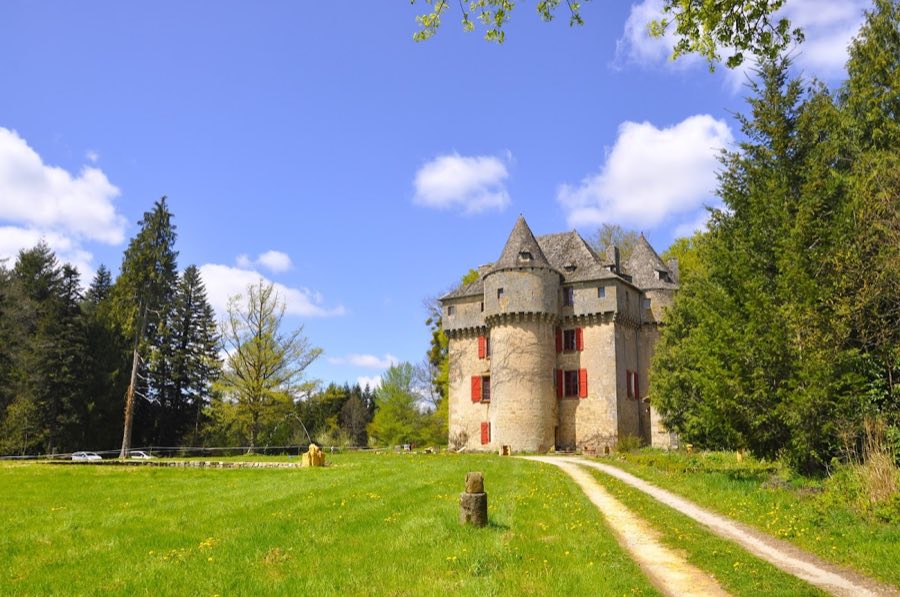
Château de Grugnac
France
ChâteauIntact8th century
No. 11589
No. 11589 · 44.971 N, 2.193 E
Quick summary
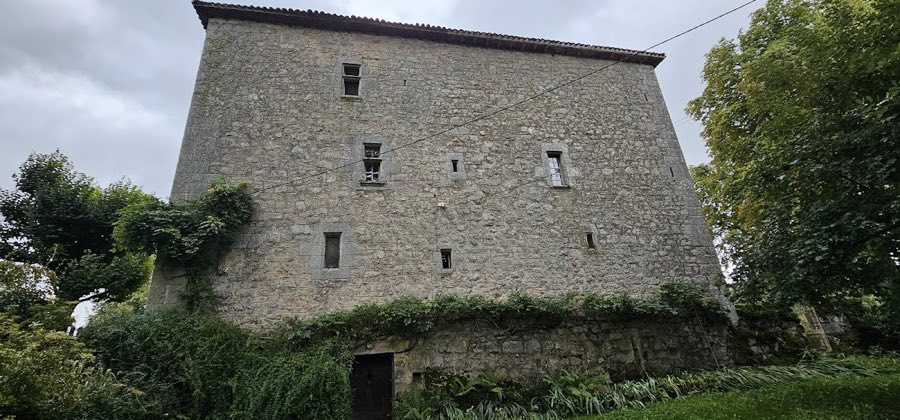
Château de Messac is a château in France with origins associated with the 15th century.
See all castles in FranceChâteau de Messac, Laroquebrou, France, was built by members of the late medieval French nobility.
The house that stands today was erected at the end of the 15th century by Amaury and Guy de Sermur. The Sermur family gained control of Messac after a legal dispute with the heirs of Rigal de Messac ended in a settlement in 1478. On 22 August 1480 Guillaume de Montal, baron of Laroquebrou, gave permission to complete the residence on multiple storeys following an arbitration decision by the baron of Castelnau.
In 1539 Jean de Sermur sold the domain and the dwelling to Jean Canet. Canet’s daughter Antoinette conveyed the property to her son Durand Palach, who expanded his holdings at Messac as recorded on 12 February 1590. Durand Palach died without children and by his 1596 testament left Messac to his youngest sister Anne. Anne brought the seigneurie into another family when she married Petre-Jean de Beauclair on 3 August 1598.
Petre-Jean de Beauclair remarried on 1 April 1621 to Jacquette de Cat. Jacquette publicly abandoned Protestantism in the château chapel on 13 September 1626. Members of the Beauclair line are documented as lords of Messac through the 17th and 18th centuries, including Jean-Pons de Beauclair, Jean-Baptiste de Beauclair (born 1690), and Marc-Antoine de Beauclair, who died in 1787. The building has been officially protected as a historic monument since 28 July 1972.
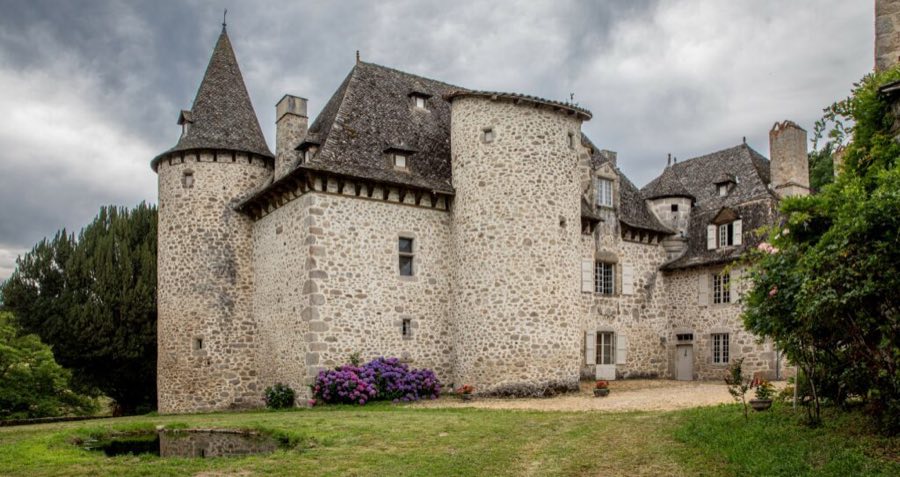
The estate is laid out as a country gentleman’s house with two projecting wings set at right angles around a turreted stair tower. This configuration reflects a late medieval domestic plan and the standing structure dates to the late 15th century work attributed to the Sermur builders. The main block rises two full storeys above a ground floor, and contemporary records show permission was granted in 1480 to complete the house with additional upper levels and an attic, indicating an originally ambitious vertical plan.
Fireplaces are a marked feature: each habitable level contains two large stone hearths that served as primary heating and cooking elements. The chimneys are executed in masonry and are noted as significant components of the interior arrangement on every floor. The staircase is set within a small tower, linking the wings and providing vertical circulation in the customary fashion for high-status rural houses of the period.
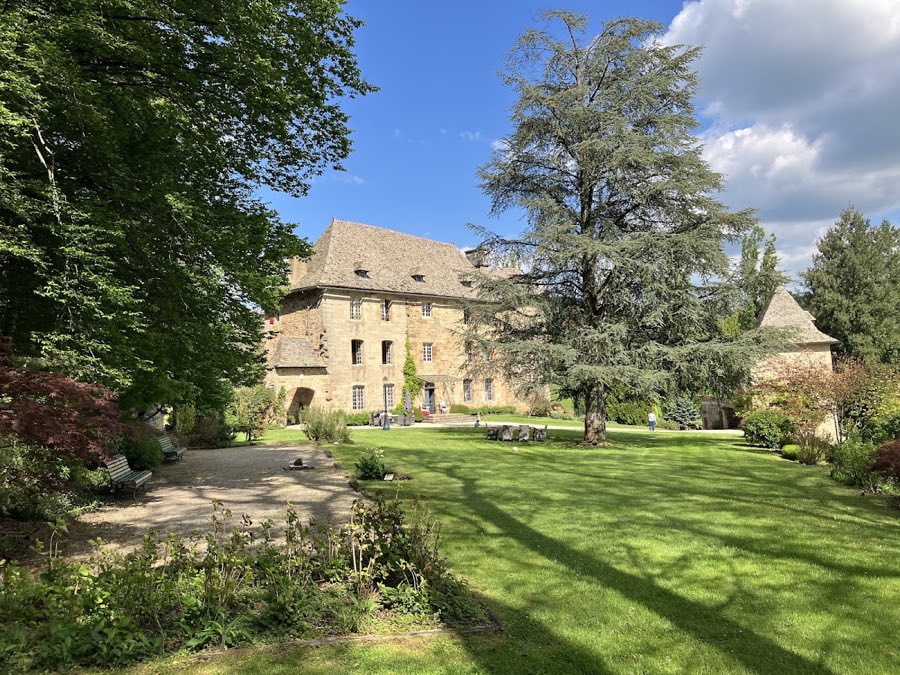
A private chapel belongs to the château complex and functioned for family worship; it is the documented site where Jacquette de Cat renounced Protestantism on 13 September 1626. The grounds include a notable kitchen garden described as remarkable for the site, indicating continued attention to productive cultivation associated with the residence. Overall, the ensemble preserves characteristic features of late medieval civil architecture in the Cantal and has been recognized for its historic interest by its listing as a protected monument.
No. 96476
No. 40141
No. 68166
No. 46831
Comments
Comments for Château de Messac will require a verified account before posting.
We'll send a verification link before your first comment is published.