No. 96476
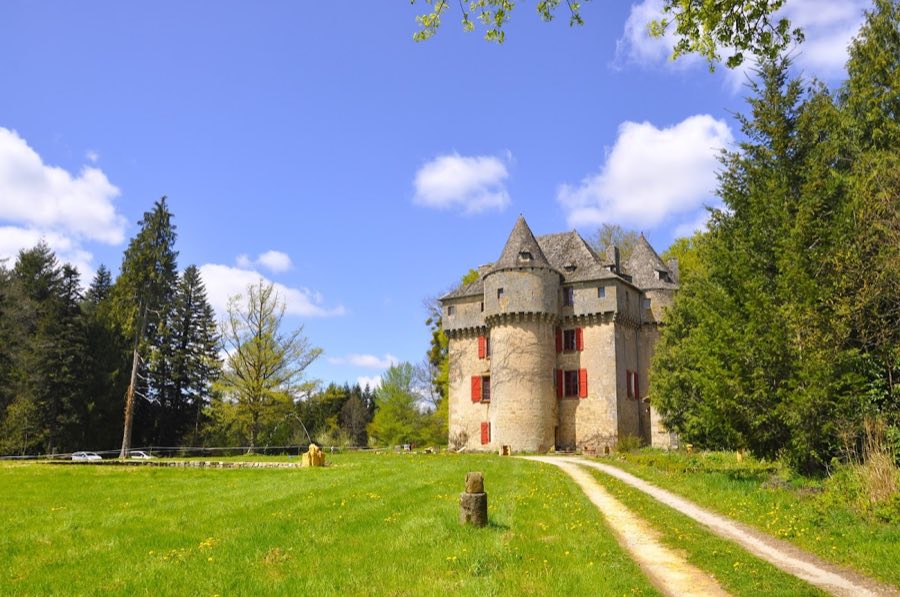
Château de Grugnac
France
ChâteauIntact8th century
No. 68166
No. 68166 · 44.789 N, 1.980 E
Quick summary
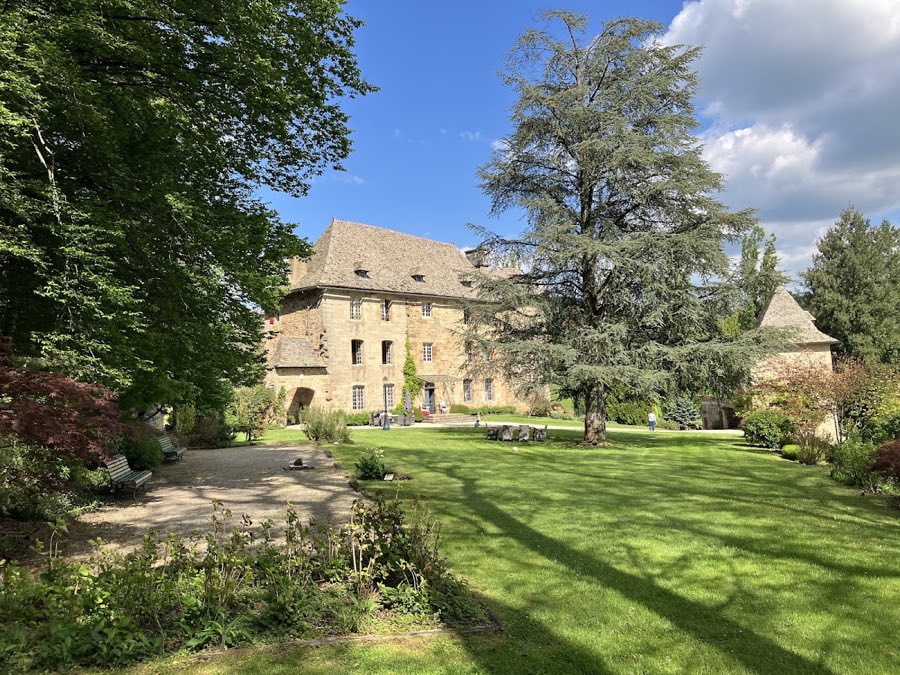
Château de Saint-Thamar is a château in France with origins associated with the 13th century.
See all castles in FranceThe Château de Saint-Thamar is situated in the municipality of Terrou in modern-day France. The site was originally developed by medieval European builders, with its earliest fortified residence established in the 13th century.
During the 15th century, the existing castle was constructed on the grounds where the earlier fortified dwelling had stood. This period marked the transition to a more substantial stone stronghold typical of late medieval fortifications in the region.
In the early 16th century, the Colomb family, skilled glassmakers, settled in Terrou and came to own the castle. Their craftsmanship gained recognition, notably for providing glass for the Palace of Versailles in the 17th century, linking the castle’s history to France’s royal artistic patronage.
Religious affiliations influenced the castle’s inhabitants in later generations. The Colomb de Saint-Thamar family embraced Protestantism; however, a notable shift occurred in 1687 when Thamar de Colomb, lord of Saint-Thamar, converted to Catholicism following his marriage to Françoise d’Escayrac de Malaval.
The château’s main building underwent extensive reconstruction in the 18th century. These renovations reflected evolving architectural styles or adjustments to the castle’s function but were not detailed in the records.
Remarkably, the castle endured the French Revolution without damage. This survival is attributed to François de Colomb de Saint-Thamar, respected locally and serving multiple terms as mayor of Terrou between 1800 and 1870. His standing helped protect the estate during a period of widespread turmoil.
Ownership later transferred through marriage to the Lachièze de Briance family in 1873, and subsequently to the Gaches de Venzac family. Jacques de Gaches de Venzac, a member of this family, lost his life during World War I in 1918.
In 1934, the Soulié family acquired the castle. During World War II, they offered refuge to Jewish families, demonstrating the site’s role in local resistance efforts. The château suffered damage during this time when the 2nd SS Division Das Reich set fire to one wing. However, the principal structure was spared owing to the intervention of villagers. Terrou itself was known as a center of resistance and was one of seventeen French villages honored with the Resistance Medal for their efforts.
The Soulié family sold the property in 1956. Since June 17, 1975, the château has been officially recognized as a monument historique by French heritage authorities, ensuring its preservation under cultural protection laws.
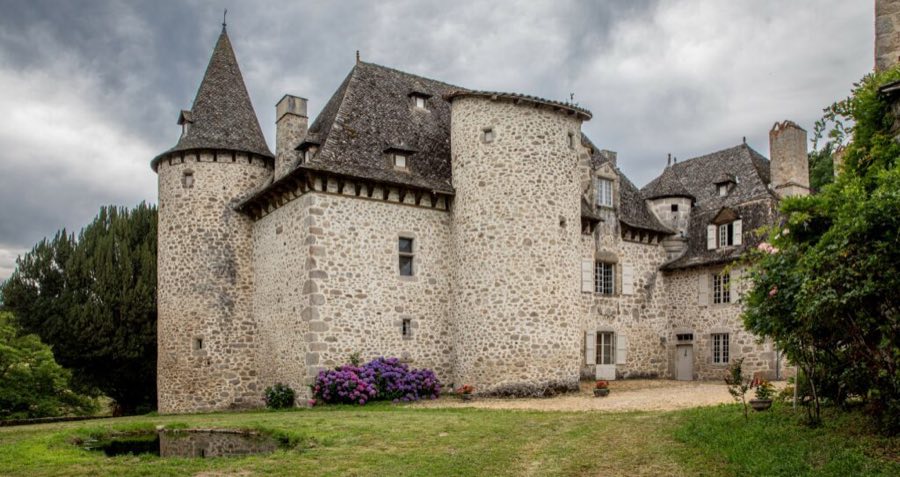
The Château de Saint-Thamar stands as a fortified residence that dates primarily from the 15th century, built upon the site of an earlier 13th-century stronghold. Its strategic position overlooking the Bave valley emphasizes both defense and a commanding view of the surrounding landscape.
The main building, which forms the heart of the castle complex, experienced significant rebuilding in the 18th century. This reconstruction likely altered aspects of the layout and appearance, though specific architectural details have not been recorded in the available documentation.
During the Second World War, one wing of the château was set ablaze by invading forces, resulting in partial destruction. Despite this damage, the core of the fortified residence remained intact, preserved through local efforts to save the structure.
Throughout its existence, the château has maintained its role as a private residence and remains under private ownership today. The fabric of the building reflects continuous adaptation over centuries while retaining its character as a fortified dwelling situated in a rural setting overlooking the valley.
No specific information has been recorded about materials used, decorative elements, or inscriptions within the château. However, the castle’s enduring presence and survival attest to its robustness and importance within the local landscape of Terrou.
No. 96476
No. 40141
No. 11589
No. 53147
Comments
Comments for Château de Saint-Thamar will require a verified account before posting.
We'll send a verification link before your first comment is published.