No. 35395
Château de Groussay
France
ChâteauIntactFor events19th century
No. 59435
No. 59435 · 48.807 N, 1.739 E
Quick summary
Château de Millemont is a château in France with origins associated with the 16th century.
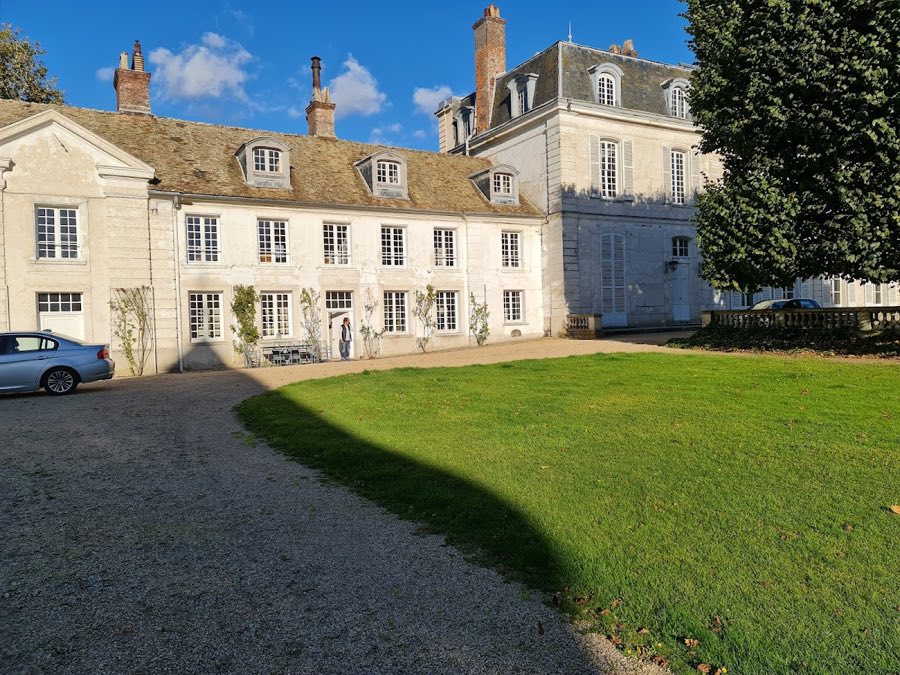
See all castles in FranceChâteau de Millemont is located in the municipality of Millemont, France. Its origins trace back to the early 16th century, when the first main building known as the “small château” was constructed in 1515. This initial structure was commissioned by the sieur d’Haville, an important regional figure who served as governor of Monfort and bailli, or administrative magistrate, under King François I during the Renaissance period of France.
In the early 18th century, specifically in 1710, a second building called the “grand château” was added to the estate by Guillaume IV de Briçonnet. He held significant judicial offices as avocat général at the Grand Conseil and conseiller at the Parlement of Paris, indicating the château’s connection to high-ranking legal and political circles of the Ancien Régime.
Throughout the 19th century, Château de Millemont experienced several transfers of ownership reflecting broader social and political changes in France. The prince de Polignac acquired the property in 1827. About sixteen years later, in 1843, the princess de Polignac sold the château to M. Richard, a prosperous Parisian lawyer. The estate then passed to his son Maurice Richard, who served as a minister during the Second Empire. Maurice Richard was actively involved in political dynamics surrounding the Bonapartist movement, a political faction advocating the restoration of the Napoléon dynasty.
An event of political significance took place at Millemont in 1872 when Maurice Richard hosted Prince Napoléon. At that time, the prince faced expulsion from France under orders from the government led by Adolphe Thiers, reflecting the tense political atmosphere during the early Third Republic.
After the death of Maurice Richard in 1888, the château was purchased by Georges Béjot, a stockbroker with leadership ties to the Société centrale des chasseurs, a prominent hunting association. The estate remained in the Béjot family until 1987, when Béjot’s great-granddaughter, Colette de Baudus, sold it to Kiiko Nakahara and Jean-Claude Perez-Vanneste, also known as Jean-Paul Renoir. The new owners had holdings in several other European properties but left Château de Millemont unoccupied for a period, during which its condition declined. Recent efforts have since been made to restore the château.
The historical and architectural importance of Château de Millemont has been officially recognized by French heritage authorities. The outbuildings, or communs, received historic monument status on April 28, 1947. The entire château complex was later classified as a historic monument on January 25, 1965, ensuring legal protection and encouraging preservation.
In the 21st century, the château has attracted attention beyond its architectural heritage. In the summer of 2015, it hosted the POC21 innovation camp, demonstrating adaptability to contemporary initiatives. It has also served as a filming location for several films, including productions released in 2005, 2006, 2009, and 2022, linking the site to modern cultural projects.
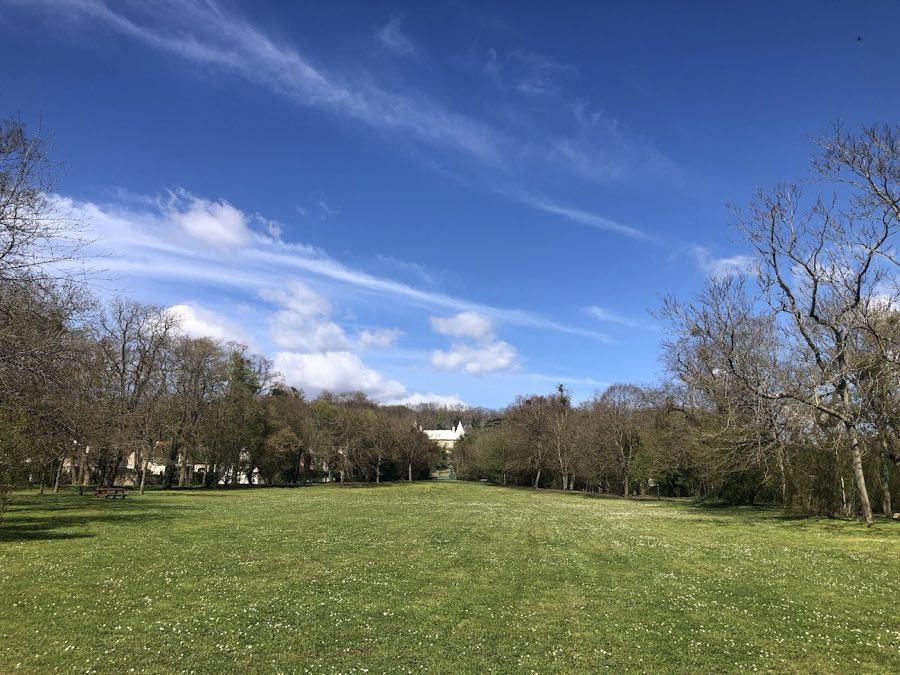
Château de Millemont is composed of two principal buildings set within landscaped park grounds, which together showcase architectural developments from the 16th and 18th centuries. The château presents a notable façade oriented toward the main park entrance, establishing the relationship between the residence and its surrounding natural environment.
Among the architectural features, a terrace adorned with a balustrade stands out within the park area. This balustrade consists of finely carved stone, demonstrating the craftsmanship involved in the château’s exterior design. The use of stone for both the balustrade and the main constructions reflects regional building traditions and materials of their respective periods.
Following a phase of neglect during the late 20th century, recent restoration work has stabilized and enhanced the château’s condition, preserving its historical fabric and distinctive elements. The careful conservation efforts have allowed the château to retain its original spatial character between the buildings and the landscaped park, maintaining the integrity of the historical ensemble.
The outbuildings, once serving practical functions associated with the estate’s operation, have been officially recognized for their heritage value. Their preservation contributes to an understanding of the site’s historical use as a noble residence with supporting facilities.
Together, the château and its associated structures form a coherent architectural group that illustrates the evolution of French country estates from the Renaissance through the early modern period. The combination of the two main residences, the decorative stonework, and the integrated park setting offers insight into the social status and lifestyle of its former owners.
No. 35395

No. 13401
No. 90375
No. 11463
Comments
Comments for Château de Millemont will require a verified account before posting.
We'll send a verification link before your first comment is published.