No. 26734
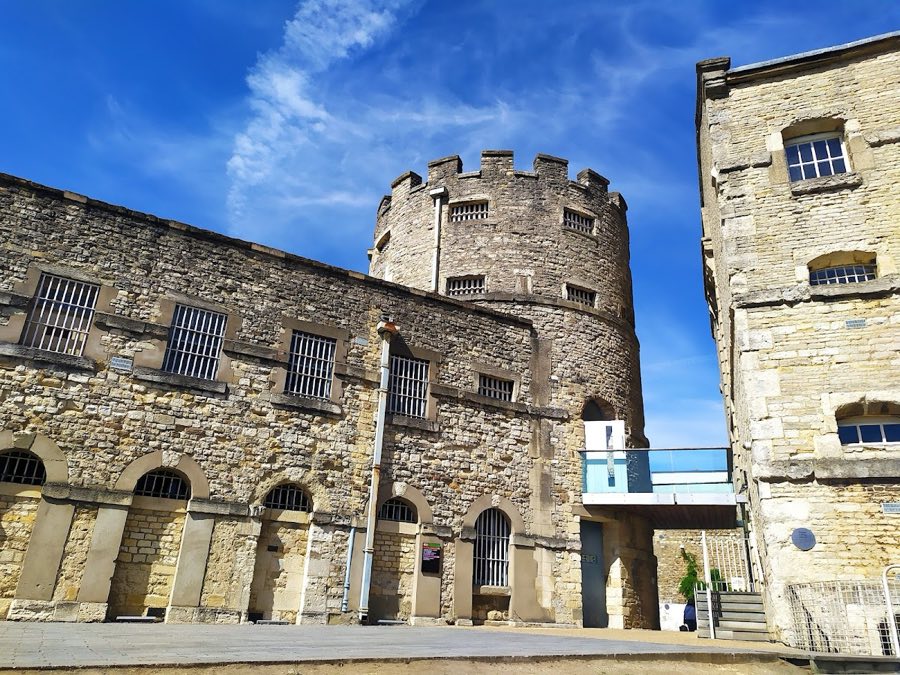
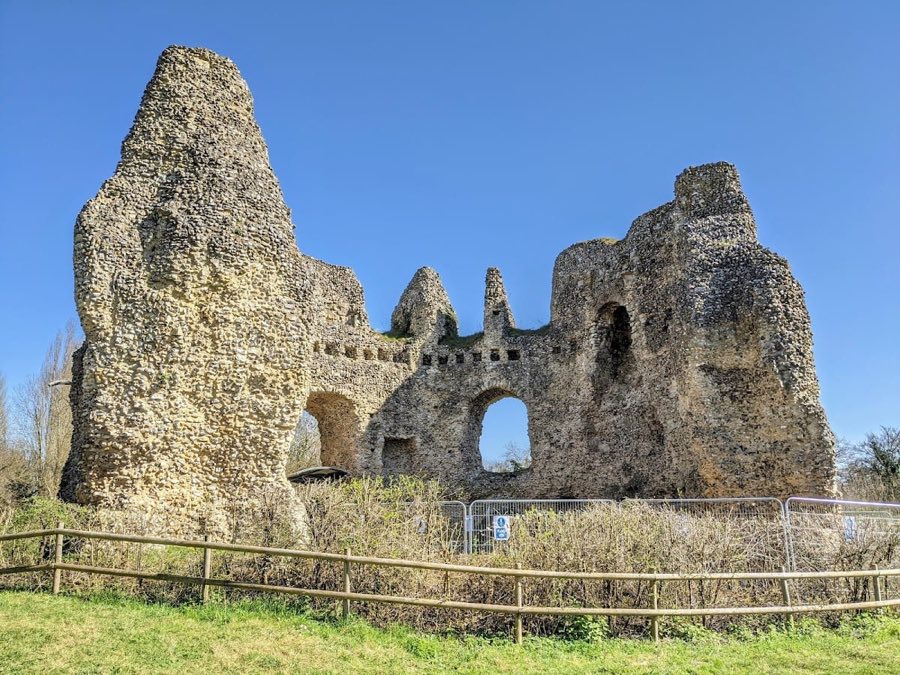
Oxford Castle
United Kingdom
CastleRuinFor rent11th century
No. 98826
Tower house · United Kingdom
No. 98826 · 51.797 N, 0.891 W
Quick summary
Dinton Castle is a tower house in United Kingdom with origins associated with the 18th century.
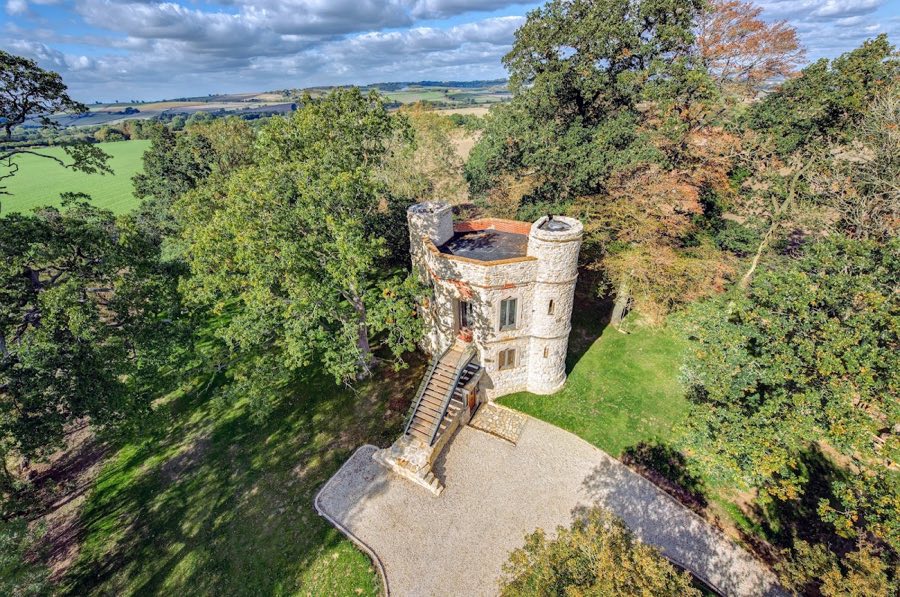
See all castles in United KingdomDinton Castle stands in Dinton, Aylesbury, United Kingdom; it was erected in 1769 by the English landowner Sir John Vanhattern.
Local tradition holds that before the castle existed the seventeenth‑century hermit John Bigg lived in a cave on the property. In 1769 Sir John Vanhattern built the octagonal folly as an eyecatcher for the Dinton Hall estate, and he finished its limestone walls so they displayed his fossil collection, with ammonites set into the masonry.
During the nineteenth century the structure saw practical use linked to the estate, serving at times as accommodation for servants and as an improvised meeting place for a local non‑conformist congregation. When used for gatherings a canvas roof was reported as a temporary cover. Over many decades the tower fell into serious disrepair and for a long period the ruin was supported by scaffolding.
Official protection and concern for the ruin grew in the twentieth century. It was placed under statutory listing in 1951, described then as ruinous, and it later appeared on heritage risk registers, being recorded as a Priority A entry on the Heritage at Risk Register and included on English Heritage and the local council’s Buildings at Risk lists. The fabric was stabilised in 2009, with new lintels and repairs to windows and the entrance arch. The property changed hands in 2012, one record naming Brett O’Consnor as purchaser, and in 2016 Jaime (also reported as Jimmy) Fernandez and his wife Mimi bought the site. Aylesbury Vale District Council granted planning permission on 26 January 2017 to convert the ruin into a two‑bedroom residence. Repair and conversion work took place between 2017 and 2018; the restoration attracted national and international media attention and was followed by occupation as a family home. Reports indicate the renovation cost exceeded £300,000 in addition to an earlier purchase price of about £100,000. The restored property was sold in 2021 and became available through a short‑term rental listing in June 2022.
The ruin occupies an octagonal footprint with circular towers attached at the east and west sides. The main body rises to two storeys while the towers extend higher, originally reaching three storeys. The primary material is local limestone, into which fossil specimens were intentionally embedded when the structure was built; among these preserved fossils are ammonites incorporated into the wall faces.
The entrance arch and the window openings were prominent elements of the elevation and received targeted repair during the 2009 stabilisation programme, when new lintels were inserted to support the openings. For many years the masonry required temporary scaffolding to hold fragile sections; that scaffolding preceded later conservation and rebuilding work.
Archaeological context around the ruin includes a nearby Saxon burial ground. Excavations and chance discoveries at and near the site produced artifacts and human skeletons into the twentieth century, linking the location to earlier activity in the landscape. When the building was adapted for meetings in the nineteenth century a canvas covering served as a provisional roof over the interior.
Following the 2017–2018 restoration the interior arrangement was formed into three octagonal floors, with a panoramic roof terrace added above. The converted plan provides a ground‑level kitchen and living space and, on the upper levels, two bedrooms each with en‑suite facilities. The conservation work repaired and reused much of the surviving limestone fabric, so the repaired structure now stands as a restored dwelling incorporating the historic walls and the fossils that were set into them.
No. 26734
No. 54602
No. 79280
No. 40435
Comments
Comments for Dinton Castle will require a verified account before posting.
We'll send a verification link before your first comment is published.