No. 26734
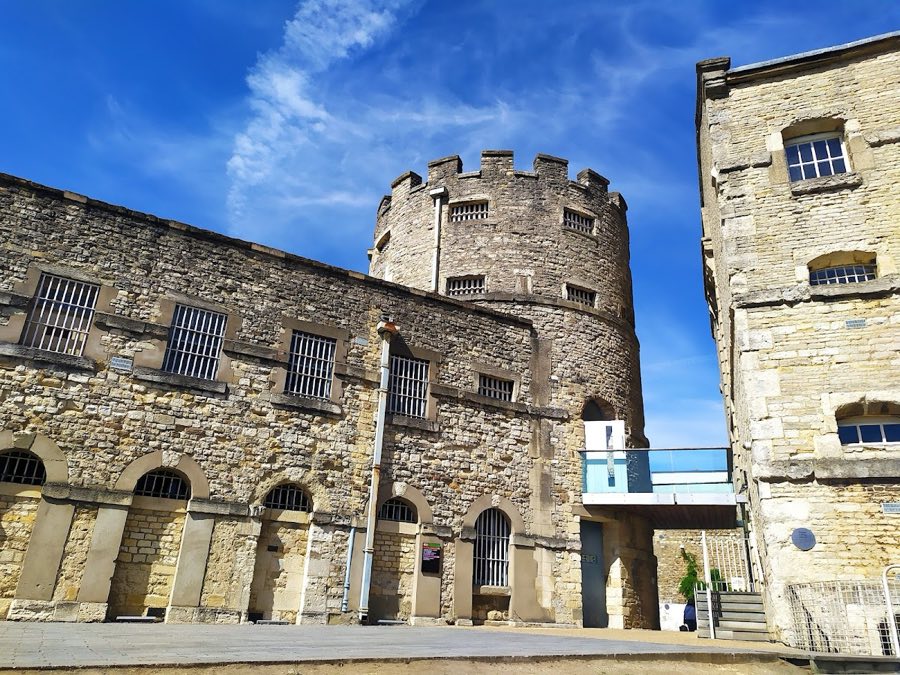
Oxford Castle
United Kingdom
CastleRuinFor rent11th century
No. 54602
Castle · United Kingdom
No. 54602 · 51.603 N, 1.122 W
Quick summary
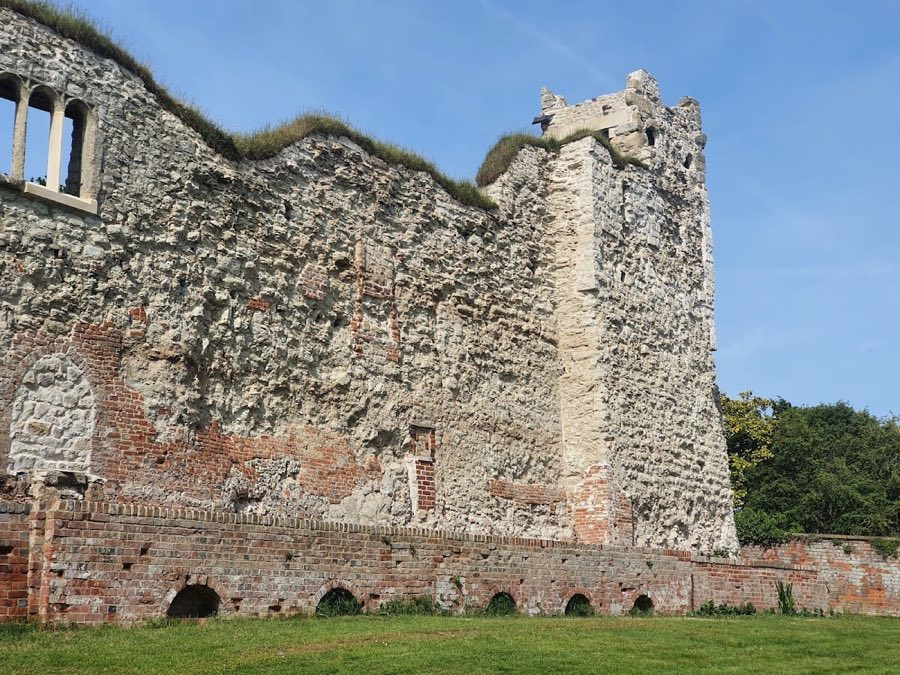
Wallingford Castle is a castle in United Kingdom with origins associated with the 11th century.
See all castles in United KingdomWallingford Castle is located in the town of Wallingford, United Kingdom. It was established by the Normans shortly after their conquest of England in the late 11th century.
The castle was founded between 1067 and 1071 by Robert D’Oyly, a Norman nobleman married to Ealdgyth, daughter of the Anglo-Saxon lord Wigod of Wallingford. Positioned within the existing Anglo-Saxon settlement near a ford of the River Thames, it served as a strategic stronghold. Robert D’Oyly’s initial timber motte-and-bailey castle took advantage of the town’s earlier earthworks, embedding Norman military presence within the former Anglo-Saxon burgh. Ownership soon passed to his son-in-law, Miles Crispin.
In the early 12th century, Brien FitzCount took control and undertook significant strengthening by replacing timber with stone around the 1130s. He added substantial defenses including a shell keep on the motte and a curtain wall enclosing the bailey. Brien aligned himself first with King Henry I and later supported Empress Matilda in the prolonged civil conflict known as the Anarchy (1135–1153). During this war, Wallingford Castle played a crucial role as a royalist stronghold for Matilda’s faction. It endured several sieges by King Stephen’s forces and provided refuge to Matilda following the fall of Oxford in 1141. The castle was a focal point in the Treaty of Wallingford in 1153, which concluded the civil discord and transferred control to the future Henry II.
Through the late 12th and 13th centuries, Wallingford was linked with successive English monarchs and nobles. King John’s reign saw continued use of the castle, while Richard, Earl of Cornwall, made it his main residence from 1231. Richard enhanced the fortress with a large hall and rich decorative elements, reflecting its status as a noble home. The castle experienced military action during the First and Second Barons’ Wars, including the imprisonment of royal family members by Simon de Montfort’s forces.
The castle also served various administrative and residential purposes under later medieval kings. Edward II utilized it both as a residence and a prison, entrusting it to favored courtiers and family. His queen, Isabella of France, operated from Wallingford during her invasion of England. Edward III later assigned the castle to his sons holding the title Duke of Cornwall. By the late 14th century, the castle functioned as a county jail, though maintenance declined, and it reportedly suffered from frequent prisoner escapes. Nevertheless, fortifications were reinforced in 1399 and the castle briefly housed the royal government following Richard II’s deposition.
After Henry VIII’s final use of the site in 1518, the castle gradually fell into disrepair. Under Queen Mary, parts were dismantled to provide building materials for other projects. Despite its decline, Wallingford remained a prison, albeit one with weakening security.
During the English Civil War (1642–1646), Wallingford Castle once again became a significant military base. The Royalists fortified it under Colonel Thomas Blagge’s command. The castle resisted a Parliamentary siege until it surrendered in 1646. Several years later, in 1652, Parliament ordered its deliberate demolition, or slighting, to prevent further military occupation. This action effectively ended Wallingford Castle’s role as a defensive fortress.
Following this, most fortifications were removed, but a brick building on the site continued serving as a prison into the 18th century. Around 1700, a large house was constructed within the bailey, replaced by a Gothic-style mansion in 1837. This later residence remained until its demolition in 1972.
Archaeological investigations carried out between 2002 and 2010 by Leicester University, along with studies by the Round Mounds Project in 2015–2016, confirmed the castle’s Norman origins and illuminated the transformation from an Anglo-Saxon town to a medieval fortress. Today, the site is a scheduled monument and Grade I listed, preserved and managed to protect its historical remains.
Wallingford Castle was originally designed as a motte-and-bailey fortress, utilizing an existing Anglo-Saxon town’s northeast corner and its pre-existing earth ramparts. The motte, a large man-made mound, measures about 60 meters (197 feet) across and reaches 13 meters (43 feet) in height. It was strategically sited near the River Thames overlooking a natural crossing point, underpinning the castle’s defensive importance.
In the 12th century, timber defenses were gradually replaced with stone by Brien FitzCount. He constructed a shell keep—a circular stone wall—atop the motte, providing a fortified stronghold for the castle’s lord. Surrounding the bailey, a stone curtain wall was added for enhanced protection. These additions were combined with extensive earthworks to create one of the most formidable royal castles of the period.
The castle was also notable for including a religious institution, St Nicholas College, which housed sixteen priests. This college was endowed by the castle’s founder, Robert D’Oyly, linking the fortress with ecclesiastical functions alongside its military role.
Among the castle’s darker features was “Brien’s Close,” a prison within the complex known for holding high-profile detainees such as William Martel. Contemporary accounts mention that sounds of prisoner torture were loud enough to be heard from the nearby town, underscoring the castle’s use as a place of harsh incarceration.
Over time, residential improvements were made to the castle, notably in the 13th century by Richard, Earl of Cornwall. He added a substantial hall and introduced luxurious fittings suited to a high-status noble residence, reflecting the castle’s dual function as a military fortress and comfortable home.
Throughout its history, the castle’s defenses were reinforced on multiple occasions, including during the First Barons’ War and again in the English Civil War under royal orders. Despite these efforts, the slighting of 1652 resulted in the intentional destruction of most structures. The only prominent survivor was a brick building that continued to serve as a prison well into the 18th century.
In 1700, a large house was erected within the former bailey, later replaced by a Gothic mansion constructed in 1837. This mansion stood until its demolition in 1972, after which no major residential buildings remained on the site.
Today, visitors can see surviving sections of the castle walls, the large motte mound, and the remains of St Nicholas College. These ruins provide tangible evidence of the castle’s evolution from a Norman military installation to a medieval fortress and administrative center. Archaeological studies have confirmed these key elements, helping to reveal how the site developed both defensively and socially over several centuries.
No. 26734
No. 98826

No. 40435
No. 33796
Comments
Comments for Wallingford Castle will require a verified account before posting.
We'll send a verification link before your first comment is published.