No. 75419
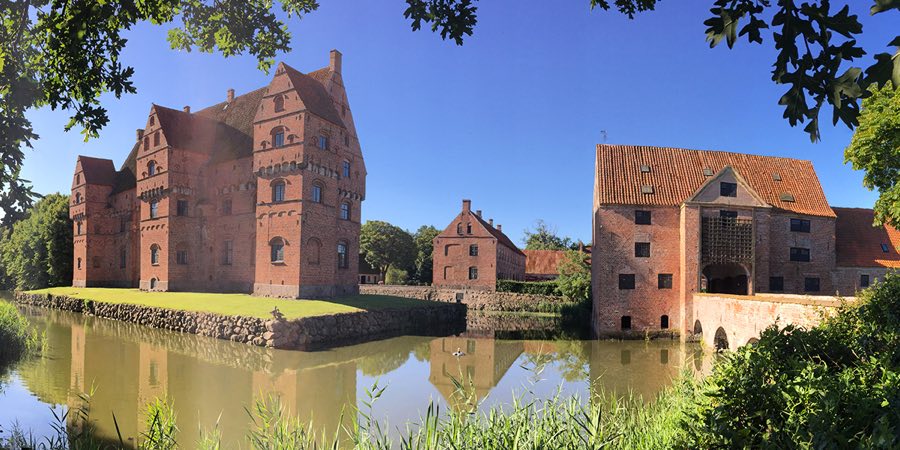
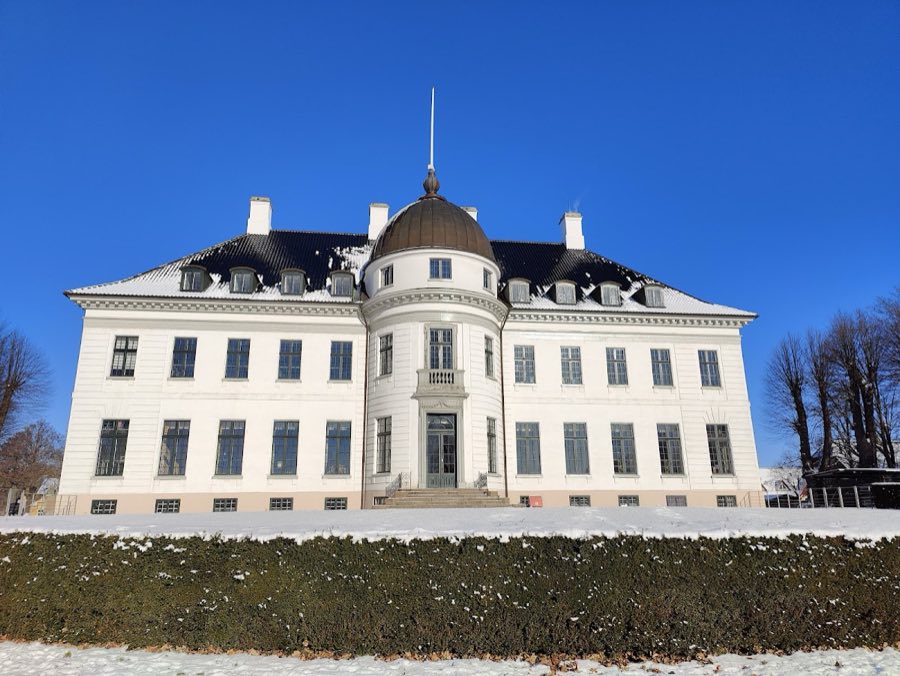
Borreby Castle
Denmark
CastleRuin8th century
No. 79611
Castle · Denmark
No. 79611 · 55.771 N, 11.391 E
For rent
Dragsholm Castle is marked for bookable castle accommodation. Nightly pricing, sleeps count, stay rules, and amenities are displayed only when public operator data is available.
Rental type: Hotel / bookable stay, Short-stay rental
Short-term availability: Bookable accommodation signal
Quick summary
Dragsholm Castle is a castle in Denmark with origins associated with the 13th century.
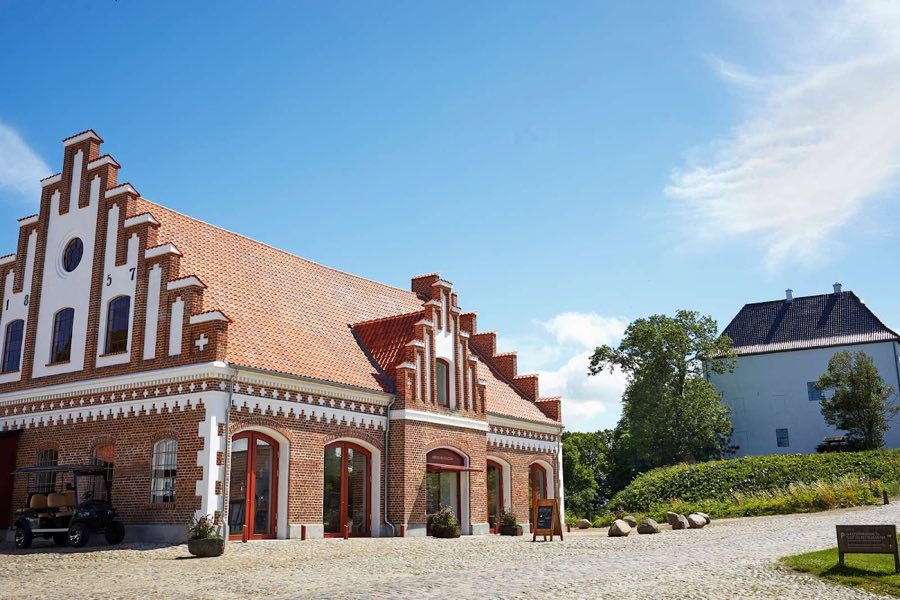
See all castles in DenmarkDragsholm Castle in Hørve, Denmark, began life around 1215 as a palatium, a palace constructed for the Bishop of Roskilde by the medieval Danish church. Built in the early 13th century during the medieval period, the site is among Denmark’s oldest surviving non-religious buildings and served from the start as an important episcopal residence and administrative centre. Its long history links ecclesiastical power, royal control, and military conflict across many centuries.
During the later Middle Ages the original palace was enlarged and transformed into a fortified castle, while much of the medieval fabric was kept within later rebuildings. In the civil conflict known as the Count’s Feud, fought across Denmark from 1534 to 1536, the castle held out when others on the island of Zealand did not. Forces led by Johann von Hoya laid siege to the stronghold for five months, but Dragsholm remained the only castle on Zealand to resist Count Christoffer’s armies.
The Protestant Reformation and the Crown’s seizure of church property in 1536 placed Dragsholm under royal ownership. From that year until 1664 the castle served as a state prison for noble and church prisoners. The northeast corner tower was fitted with cells, and named inmates included Joachim Rønnow, the last Catholic Bishop of Roskilde, and James Hepburn, Earl of Bothwell, who was held for many years and died at the castle in 1578.
War returned to the region in the mid 17th century. Swedish forces occupied Dragsholm in 1657 and the castle suffered demolition and blowing up in 1660, leaving the site in ruins for a number of years. In 1664 King Frederick III transferred the damaged property to the royal treasurer Heinrich Müller, who began restoration work that set the stage for the next long phase of ownership.
In 1694 Frederik Christian Adeler acquired Dragsholm and from about 1697 the Adeler family rebuilt the complex in the Baroque manner that largely defines the castle’s present exterior. Members of the family later undertook major local projects; Georg Frederik Otto Zytphen-Adeler was involved in draining the Lammefjord and in 1868 the family restored the older name Dragsholm for the estate. The property was made a barony in 1784 and took the name Adelersborg in 1785.
The Adeler line or its fortunes ended in 1932, and the castle reverted to state control before being sold to J. F. Bøttger, with the Central Land Board and the National Land Law Committee recorded in the transfer. Since 1937 the Bøttger family has managed the property and adapted it for modern uses, carrying out a series of restorations and conversions. Interior work has been repeated over time; a significant restoration after World War I, around 1919, imparted a Late Romantic character to several salons and ballrooms that remains visible today. Local lore attached to the site speaks of three ghosts, commonly described as a grey lady, a white lady, and the spirit of Lord Bothwell.
The castle occupies an islet that in earlier times lay beside a narrow land‑bridge, known as a drag, which linked Odsherred to the main island of Zealand. Water and meadow surround the islet, which sits just south of the terminal moraine Vejrhøj. A canal runs to the south of the castle grounds, and the estate includes a small wood and a park. A moat encircles parts of the island and a porter’s lodge stands across the water, later adapted to provide additional accommodation.
The earliest surviving building phase dates to about 1215 and centers on a large hall with rooms beneath it used for living and for economic functions. That early layout reflects the palatial beginnings of the site, with service and storage spaces arranged under or adjacent to the main residential hall. Elements of this early plan remain incorporated within later construction phases.
The medieval fortress phase produced substantial defensive fabric, most notably a large tower at the northeast corner which was fitted with prison cells. Those cells were equipped with toilets and windows, and their fittings were adjusted according to the severity of a prisoner’s crimes and behaviour. The prison cells are integral to the tower and form a direct physical link to the castle’s long function as a place of confinement.
Late 17th and early 18th century rebuilding transformed the outer appearance into a Baroque castle, an exterior that survives today, while many earlier medieval elements were kept inside the renewed structure. Interior finishes have been altered repeatedly; after about 1919 several salons and ballrooms received a Late Romantic decorative treatment that still characterizes those rooms. More recent adaptations have introduced hotel and restaurant facilities within the historic fabric, and the porter’s lodge across the moat was converted to provide further guest rooms.
Archaeological work and landscape finds include graves of the Ertebølle culture, a late Mesolithic coastal hunter‑gatherer group, located to the south of the castle. These graves testify to human activity in the area long before the medieval palace was raised and link the site to a deeper prehistoric landscape.
No. 75419
No. 58404
No. 94628
No. 73440
Comments
Comments for Dragsholm Castle will require a verified account before posting.
We'll send a verification link before your first comment is published.