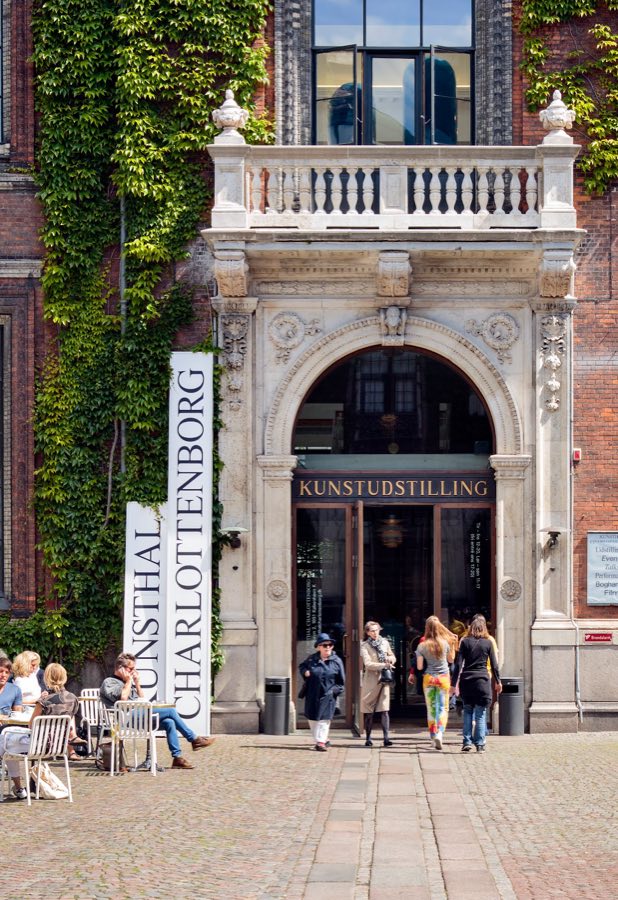
No. 74920
Charlottenborg Palace
Denmark
PalaceIntactFor events17th century
No. 58404
Manor house · Denmark
No. 58404 · 55.403 N, 12.211 E
Quick summary
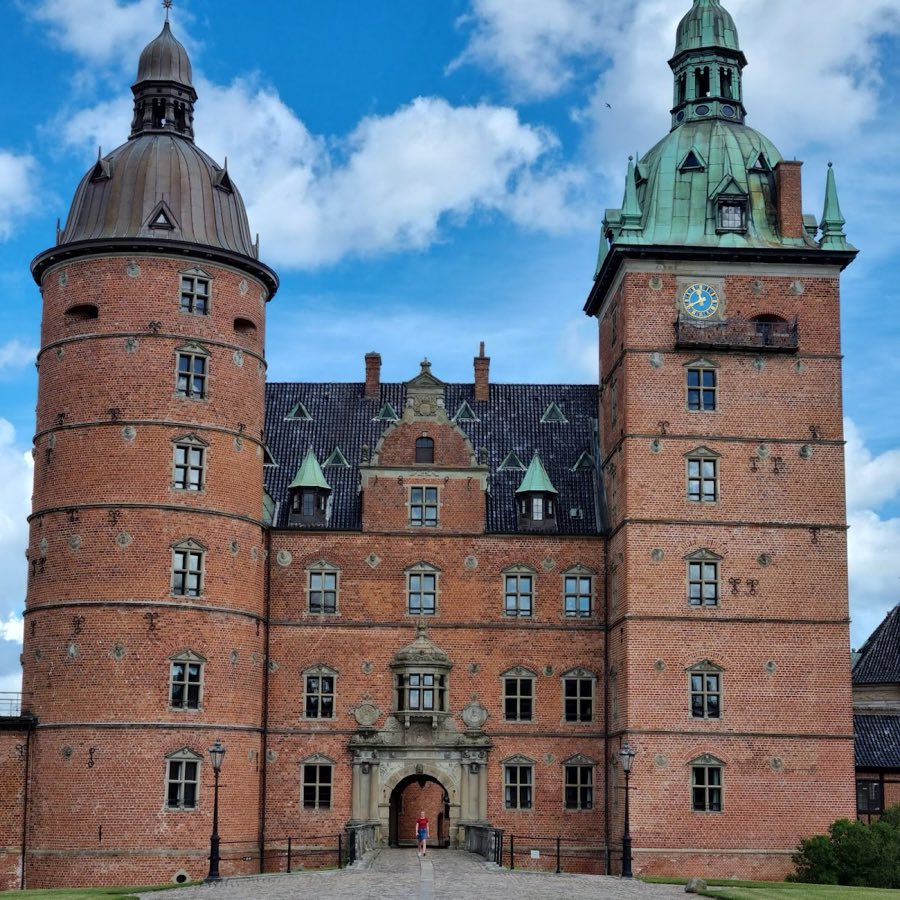
Vallø Castle is a manor house in Denmark with origins associated with the 13th century.
See all castles in DenmarkVallø Castle in Køge, Denmark, is a manor house with medieval Danish origins whose site contains building phases reaching back to the 1200s and whose visible form largely dates from a late 16th‑century rebuilding. The place was first documented as the property of Eskild Krage in 1330, and archaeological remains from the 13th century have been found at the location. Over the centuries Vallø became an important landed estate in Zealand and later the centre of a royal charitable foundation, linking noble households and the crown across several generations.
During the later Middle Ages the holding was divided into two separate estates, known as West Vallø and East Vallø; by the 15th century this split was in place and between 1554 and 1651 the two portions were administered as distinct properties. In 1525 the estate passed into the Rosenkrantz family. After the death of Count Oluf Rosenkrantz the property was inherited by his daughters Birgitte and Mette; Birgitte undertook enlargement of the nearby Valløby church, while Mette rebuilt large parts of the manor around 1586, work that established the castle’s basic external appearance.
In the 17th century the house was altered and enlarged again. Under subsequent owners the castle was raised to three storeys and the west wing extended in the mid‑1600s. In 1708 King Frederick IV bought the estate and gave it to Anne Sophie Reventlow. Later, in 1731 the property was granted to Queen Sophia Magdalene. Acting on her wishes, the queen created the Noble Vallø Foundation for Unmarried Daughters in 1737 and, from 1738, the castle served as a state‑supported residence for elderly unmarried noblewomen, governed by an abbess and a mother‑superior and limited to twelve residents; rules required the abbess to represent the reigning Danish house, the mother‑superior to be a widow of the higher estate, and prohibited men from staying overnight.
A new building phase in the 1730s added a three‑winged structure within the courtyard, and the north wing was built in the early 1720s. During the 19th century the grounds were reshaped into a Romantic landscape garden in 1830 while elements of an earlier formal garden from the 1720s remained. A severe fire destroyed much of the castle in 1893, and the building was rebuilt over the following decade to return it largely to its previous form. After that reconstruction the institution relaxed some of its original admission rules; in 1976 residency was opened to include widows and divorced women, and later the foundation extended residence beyond unmarried noblewomen. The estate continues under the Vallø Foundation, comprising 4,109 hectares with 1,860 hectares of woodland, and it has supported itself through farming, forestry, property rentals, an inn, a nearby campground, and the leasing of hunting grounds. The castle and its grounds have also been used as locations for Danish film and television, including the 1964 film Gertrud.
The manor stands as a four‑winged building arranged around a central courtyard, protected historically by a surrounding moat and set within a park that includes several lakes. The complex presents two prominent towers, one circular and one square, which mark its silhouette. The south wing, with strong corner towers, and the southern end of the west wing date from the rebuilding carried out around 1580–1586; that campaign established much of the castle’s outward appearance. These masonry wings remain visible on the site and retain the overall plan set in that period.
Work in the mid‑17th century raised parts of the house to three storeys and lengthened the west wing, changes that are evident in the differing rooflines and wall heights between wings. The north wing was built in 1721, adding to the enclosed plan. Between 1735 and 1738 a three‑winged range was erected inside the courtyard; the central portion of that later courtyard building survives and received an additional upper storey in 1765. The main fabric therefore shows a sequence of additions from the late 1500s through the 1700s, with later interventions superimposed on earlier masonry.
A major conflagration in 1893 severely damaged the castle. Reconstruction that followed between 1893 and 1904 rebuilt the ensemble largely in its earlier form, so the present appearance combines restored historic elevations with rebuilt structural elements from the late 19th and early 20th centuries. The park around the house was reshaped into a Romantic landscape garden in 1830 while preserving traces of earlier formal gardens laid out in the 1720s; a large flower garden created in 1960 was later removed. Close to the castle a group of historic houses lines Vallø Slotsgade, and the estate’s inn, which received a royal privilege in 1784, stands among these ancillary buildings.
The castle’s grounds include a churchyard belonging to the foundation, where named burials are located, among them an individual recorded as Sophia Magdalena of Denmark (1635–1719). Today the ensemble of moat, lakes, enclosed wings, surviving tower forms, and garden terraces presents a landscape shaped by medieval origins, early modern rebuilding campaigns, 18th‑century additions, and a late 19th‑century restoration that reestablished its long‑standing appearance.
No. 74920
No. 38933
No. 60955
No. 73440
Comments
Comments for Vallø Castle will require a verified account before posting.
We'll send a verification link before your first comment is published.