No. 27395
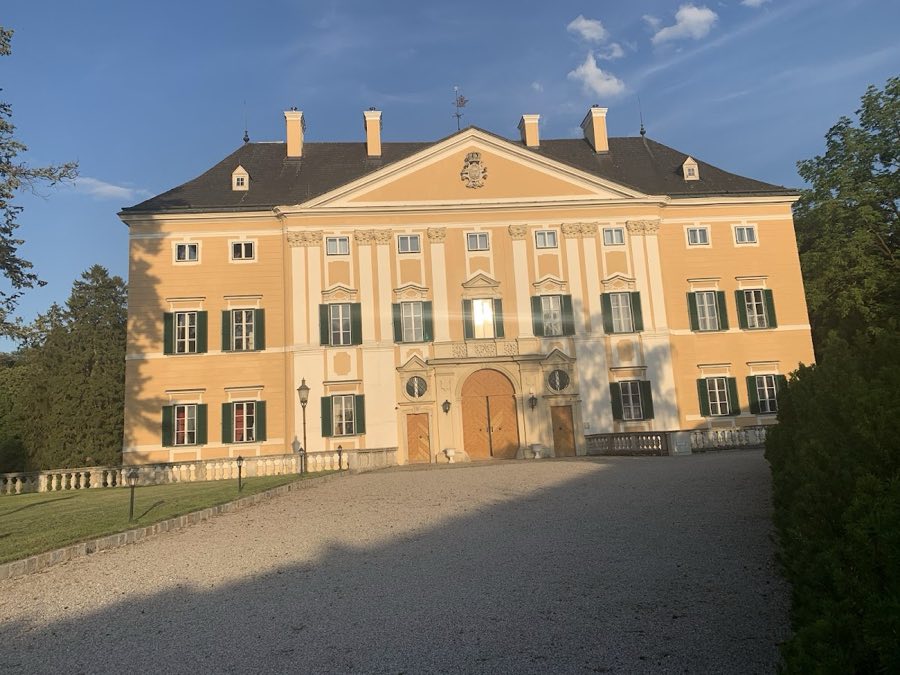
Schloss Frohsdorf
Austria
ChâteauRestoredFor events12th century
No. 98651
Castle · Austria
No. 98651 · 47.710 N, 16.331 E
For events
Forchtenstein Castle is marked as a château or castle venue lead. Capacity, indoor/outdoor spaces, catering rules, and accommodation options are published only after public verification.
Event types: Private events, Cultural gatherings, Filming and photography
Quick summary
Forchtenstein Castle is a castle in Austria with origins associated with the 14th century.
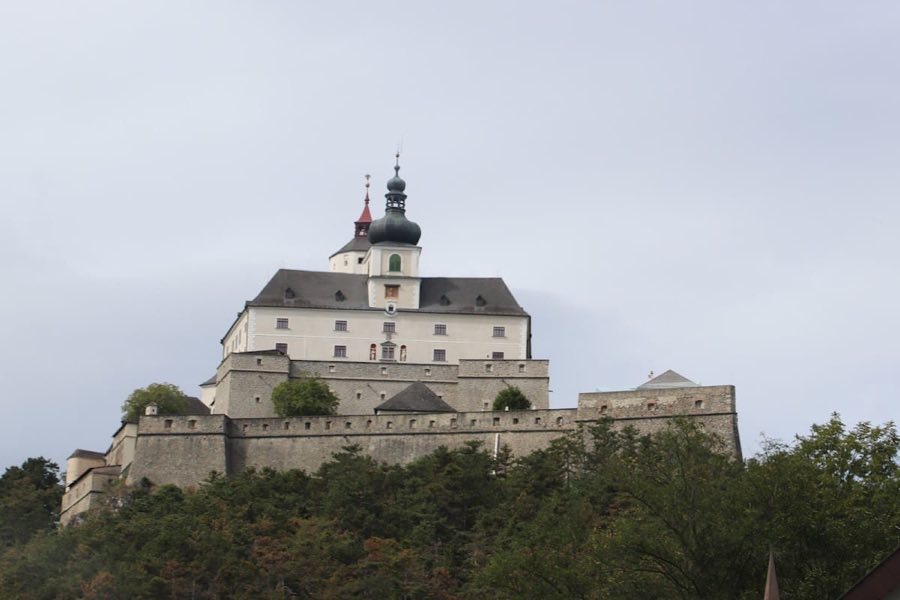
See all castles in AustriaForchtenstein Castle stands on a rocky hill about 50 meters high, overlooking the Wulka valley in Austria. It was first built in the early 14th century by the Counts of Mattersdorf, who later took the name Counts of Forchtenstein. The castle’s location was chosen to guard a key trade route connecting the Danube region with the Mediterranean.
Around 1450, the male line of the Mattersdorf-Forchtenstein family ended, and the castle came under Habsburg control for nearly 170 years. During this time, it was pawned to noble families such as the Counts of Weißpriach and Hardegg. Archduke Albrecht VI reacquired the castle in the mid-15th century, restoring Habsburg ownership.
In 1622, Emperor Ferdinand II granted the castle and the associated count title to Nikolaus Esterházy, who founded the Esterházy family line at Forchtenstein. Between 1630 and 1634, Nikolaus led major rebuilding and fortification efforts, employing Italian architects and craftsmen to strengthen the castle’s defenses.
Nikolaus’s son, Paul Esterházy, raised the family to princely rank and expanded the castle in the late 1600s. He transformed it into a Baroque residence, adding artistic decorations and elaborate features that reflected the family’s elevated status.
After Paul’s death in 1713, the castle’s role shifted from a fortress to a secure storage site. It housed the Esterházy family’s collections of weapons, art, exotic animal specimens, and curiosities. Access to the treasure chamber was tightly controlled through a secret passage requiring two separate keys held by the prince and the treasurer.
In the 18th century, architect Johann Ferdinand Mödlhammer renovated the castle’s interiors and enhanced its facades with decorative elements. The castle remained the main residence of the Esterházy princes throughout the 19th century.
In 1919, about 280 objects from the Esterházy collection were confiscated by the Hungarian Soviet Republic and moved to Budapest, where they remain on display. The Esterházy family continues efforts to recover these items.
From 1954 to 1983, the castle hosted an annual theatrical festival. Today, it is owned by the Esterházy private foundation and serves as a museum preserving the family’s history and treasures.
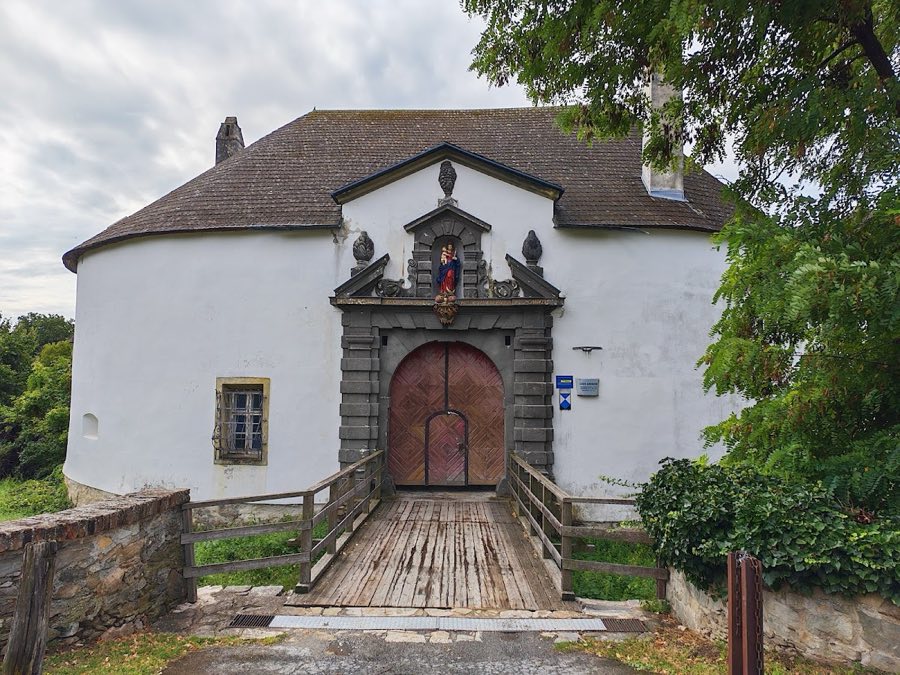
Forchtenstein Castle occupies a rocky hilltop with a complex defensive system of multi-level bastions and walls. The fortifications form a strong perimeter, accessible only through a single western gate that once featured a drawbridge. The main tower, or bergfried, rises prominently and originally served as a watchtower.
The 17th-century reconstruction used a durable limestone called “Kaiserstein,” quarried near Kaisersteinbruch. Stone blocks were carefully pre-cut and transported by carts pulled by six oxen each. Italian master builders and stonemasons, including Ambrosius Petruzzi, Pietro Maino Maderno, and Mathias Lorentisch, contributed to the castle’s fortification and architectural details.
Under Paul Esterházy, the castle was expanded and decorated in Baroque style. This included ornate portals with religious sculptures, allegorical and political murals in the courtyard and interiors, and a notable Baroque equestrian statue of Paul I.
The castle contains Europe’s last Baroque art and wonder chamber preserved in its original location. This room holds rare clocks, ivory carvings, and other precious objects displayed in original cabinetry with intact glass panels.
In the late 18th century, Johann Ferdinand Mödlhammer raised the roof structure and renovated rooms, adding decorative touches to both interiors and facades.
The castle’s arsenal is one of Europe’s largest private collections, containing military equipment and trophies gathered over three centuries. Secret treasure rooms remained hidden during the Nazi occupation and Allied presence after World War II, preserving the Esterházy collection intact.
The historic cellar vault is maintained and used for events. Restoration work has included wall repairs and the construction of a new wooden viewing walkway, ensuring the castle’s preservation.
No. 27395
No. 37143
No. 35696
No. 54480
Comments
Comments for Forchtenstein Castle will require a verified account before posting.
We'll send a verification link before your first comment is published.