No. 80989
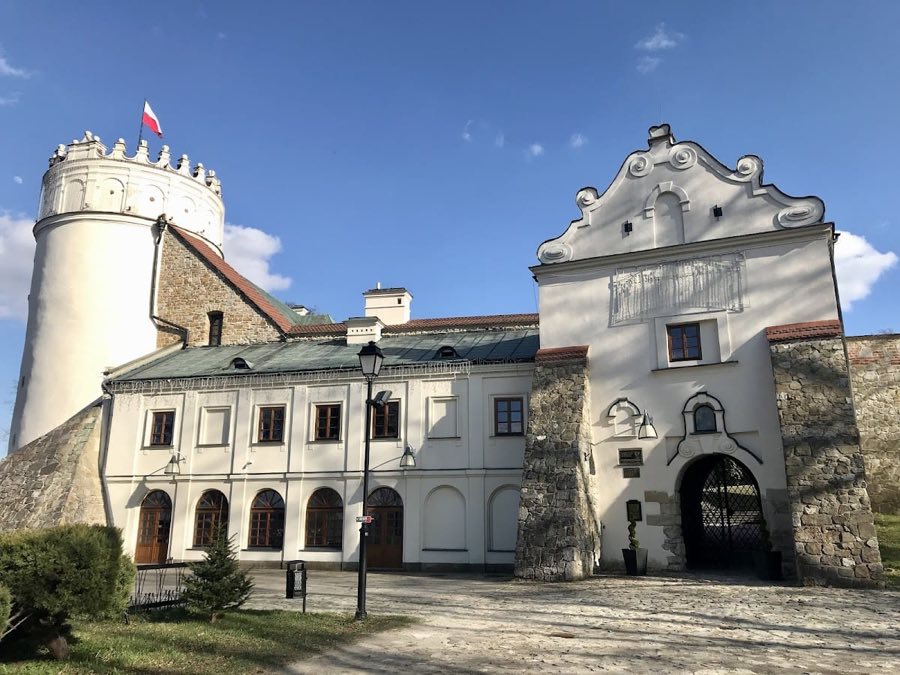
Przemyśl Castle
Poland
CastleRuin11th century
No. 29028
No. 29028 · 49.544 N, 22.785 E
Quick summary
Herburt Castle is a castle in Ukraine with origins associated with the 15th century.
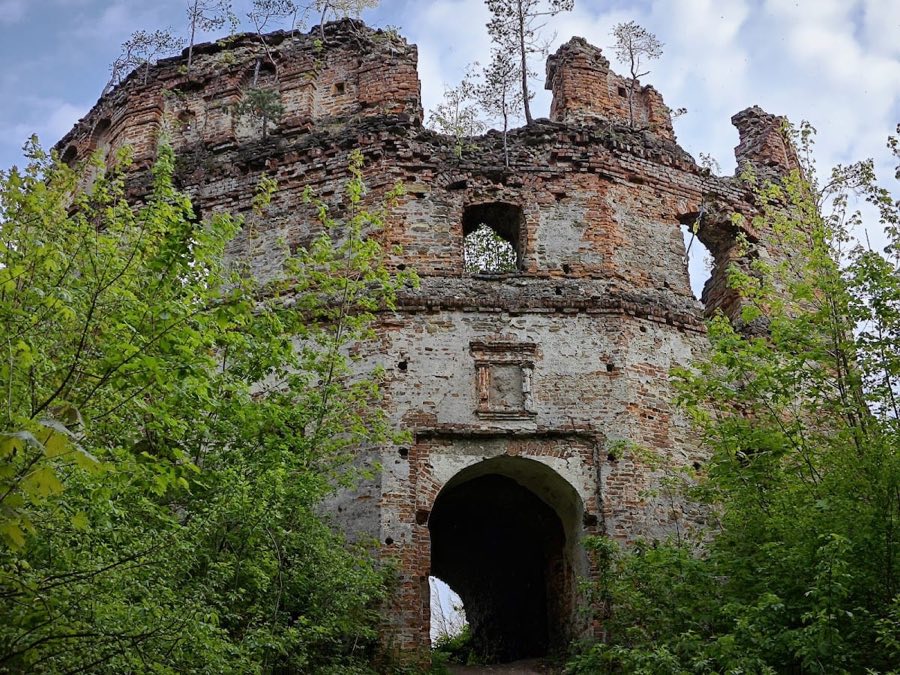
See all castles in UkraineHerburt Castle is located near the village of Dobromyl in Ukraine and was built by the Polish nobility. The earliest settlement on the site began around the mid-15th century when Mykola Herburt, a huntsman from Lviv, established a wooden stronghold on a steep hill known as Slipa Hora, or Blind Mountain. This initial fortress was destroyed by fire during a Tatar raid in 1497, leaving the area vulnerable.
In 1566, after King Sigismund II Augustus granted Dobromyl the rights of self-government under the Magdeburg Law, Stanisław Herburt initiated construction of a stone fortress at the same location to replace the earlier wooden structure. This project marked the beginning of a significant transformation from a wooden defensive settlement to a more formidable stone fortification. The construction was carried forward over several decades. By 1614, Jan Szczęsny Herburt, a descendant, completed substantial rebuilding efforts in the Renaissance style. He emphasized the fortress’s defensive capabilities, and while it included residential buildings, these were intended mainly for temporary accommodation during military or administrative missions.
During the early 17th century, the castle was a notable center of political activity and intrigue. It also housed a printing press and served as a local center of learning. In 1622, the castle passed to the Koniecpolski family, an influential noble house. Despite facing multiple sieges and attacks, including a damaging raid in 1657 led by Prince George Rákóczi who allied with Swedish forces during the Thirty Years’ War, Herburt Castle was never overtaken by force.
Following the partitions of Poland in the late 18th century, the castle came under Austrian control. The new administration ordered the dismantling of numerous old fortresses to prevent their military reuse, and part of the southern defensive walls of Herburt Castle was taken down in 1784 to supply materials for constructing a nearby Basilian monastery. However, the fortress was never completely destroyed. In the late 19th century, efforts by Austrian conservators focused on halting further demolition, preserving much of the northern sections of the castle ruins.
The stone fortress of Herburt Castle is perched on a steep, forested hill reaching around 554 to 560 meters above sea level, offering wide visibility towards nearby towns like Przemyśl and Sambir. The castle’s footprint follows the ridge’s natural contours, forming an elongated oval or horseshoe shape approximately 80 to 85 meters long and about 25 meters wide. Its defensive walls, composed of thick stone and brick, in places measure over two meters in thickness, reflecting the fortress’s primary military function.
Two distinct parts divide the complex: an upper section and a lower one constructed under Jan Szczęsny Herburt’s direction around 1614. The lower area includes Renaissance architectural elements such as attics and once featured frescoes depicting allegories of civic virtues, emphasizing the cultural ambitions of its owners alongside its military purpose.
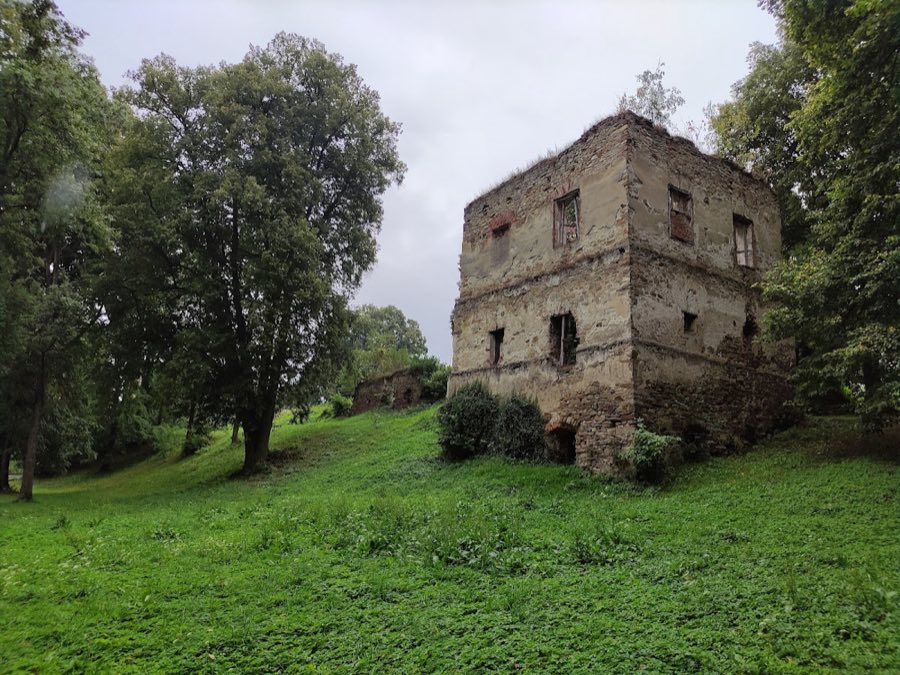
Among the surviving structures, a four-tiered gate bastion stands prominently, integrating remnants of former residential quarters. The entrance to the castle is marked by an octagonal tower, which functioned as a gatehouse and controlled access through a stone-vaulted corridor. Fragments of defensive walls and the foundations of three additional towers remain visible, suggesting a comprehensive network of fortifications designed to protect the fortress from siege.
Within the castle courtyard, a well shaft approximately three meters deep has been preserved, essential for water supply during times of conflict. Above the main gate, traces of a decorative Renaissance portal and a coat of arms once asserted the castle’s noble heritage. Over time, parts of the southern wall were dismantled and repurposed for nearby construction in the late 18th century, but the northern walls benefited from conservation efforts during the late 19th century, stabilizing the site against further decay.
Defensive features such as thick bastions, robust walls, and a secure gatehouse with stone vaulting in the entrance passage highlight the castle’s role as a military stronghold designed to withstand repeated attacks throughout its history.
No. 80989
No. 15061
No. 57866
No. 47234
Comments
Comments for Herburt Castle will require a verified account before posting.
We'll send a verification link before your first comment is published.