No. 56678
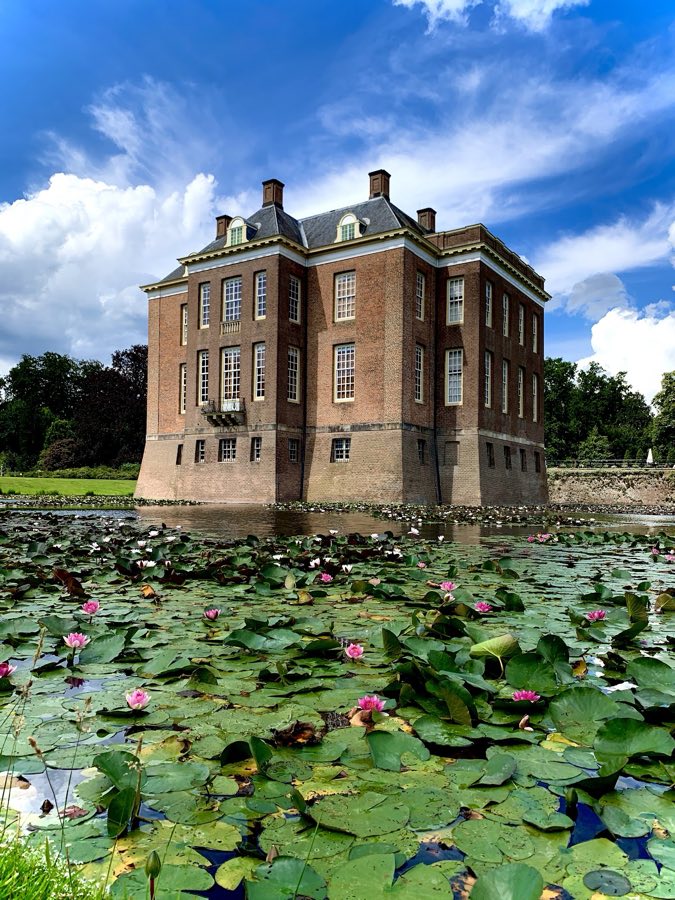
Middachten
Netherlands
CastleRestored12th century
No. 17176
Manor house · Netherlands
No. 17176 · 52.090 N, 6.135 E
Quick summary
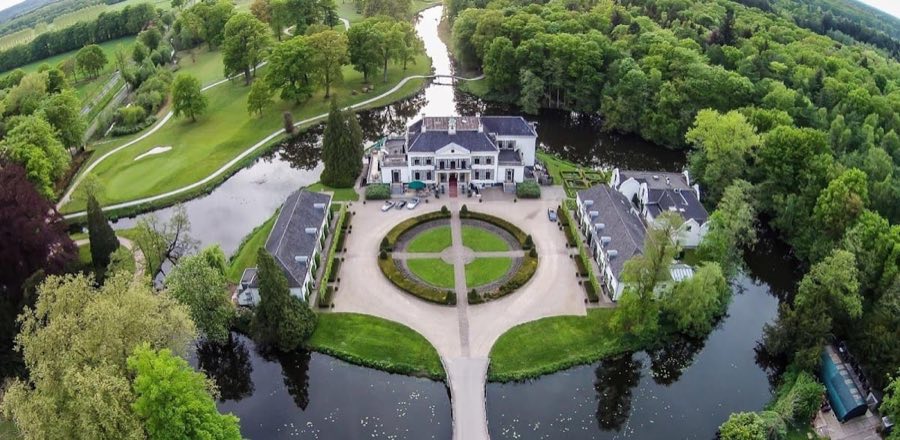
Kasteel Groot Engelenburg is a manor house in Netherlands with origins associated with the 17th century.
See all castles in NetherlandsKasteel Groot Engelenburg is situated in the municipality of Brummen, in the Netherlands. The estate occupies the site once held by a medieval castle, originally constructed by local nobility during the Middle Ages.
This medieval stronghold played a role in regional conflicts until it was destroyed in 1624 by the Spanish army amid the Invasion of the Veluwe, a military campaign in the Dutch Revolt. Following this destruction, the site lay in ruins for several years. In 1641, Jacob II Schimmelpenninck built a new manor house on the original castle’s foundations. This manor primarily served as a hunting residence, indicating a shift from military to recreational use.
Throughout the late 18th and early 19th centuries, ownership of the estate changed hands multiple times. The Schimmelpenninck van der Oye family maintained stewardship before passing it to the Van Heeckeren family. From 1791 to 1827, the Van der Heyden sisters owned the house, during which time a smaller estate, Klein Engelenburg, was created nearby in 1835 by Judith van Walrée-van Lennep. Later proprietors included the Metelerkamp, Bogaardt, and Van Citters families, each contributing to the estate’s evolving character.
A darker chapter in the estate’s history occurred in April 1945 during the final months of the Second World War. Dutch members of the Sicherheitsdienst (SD), under the leadership of Andries Pieters, took control of the property. They utilized the cellar areas to imprison and torture captives before abandoning the site in retreat from advancing Canadian forces.
After the war, ownership transferred to the municipal government of Brummen, followed by financial institutions such as Twentsche Bank and Algemene Bank Nederland. Since 1987, the manor has served a new function while retaining its historical significance, formally recognized as a national monument (rijksmonument).
Archaeological investigations have revealed that the current manor house incorporates structural elements from both the medieval castle and the 17th-century rebuild. The building’s spatial layout dates back to its 17th-century origins, a characteristic that contributes to its protected heritage status.
Beneath the house, the cellar contains medieval wall masonry alongside cross vaults constructed in the 1600s. These vaulted ceilings represent architectural techniques of their time, using intersecting arches to support the overhead structure. The medieval stonework confirms the presence of the original castle foundations beneath the later manor.
The estate extends over roughly 230 hectares, surrounded by an irregular moat encircling the main buildings. This water feature served as a defensive element consistent with medieval designs, while also enhancing the landscape aesthetics of later periods.
On the grounds, outbuildings reflect various construction phases. To the north of the driveway lies a coach house dating from the 17th century, later remodeled in the 1800s to harmonize visually with a white-plastered orangery positioned on the opposite side of the avenue. Both structures are topped with hipped roofs, mirroring the main building’s exterior style.
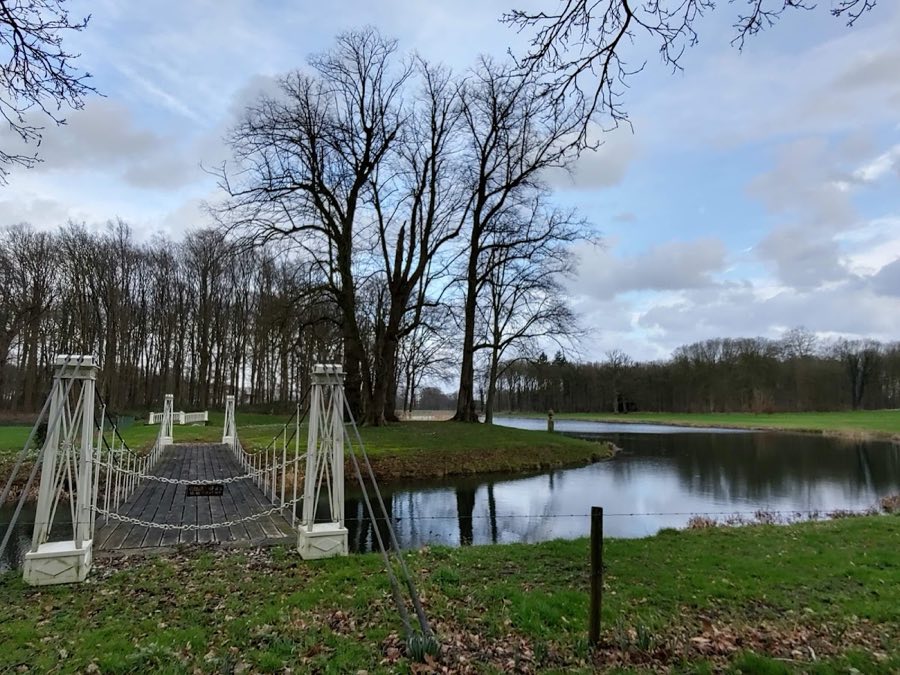
Historic landscaping elements enrich the estate’s cultural layers, including garden terraces, statues, a pedestrian bridge, an entrance gate, and a playhouse with a pergola. Photographic archives document these features, highlighting their integration within the designed parkland.
Within the attic of the manor, two bronze bells are preserved. One dates from 1616, and the other from 1781, offering tangible links to different periods of the estate’s development. These bells would have been used for signaling and timekeeping within the manor grounds.
The estate’s driveway is aligned west-southwest, creating a clear visual connection to the Oude- or Sint-Pancratiuskerk tower located approximately 1.5 kilometers away in Brummen’s center. This intentional sightline demonstrates the estate’s integration into the broader cultural landscape.
Together, these remnants illustrate the layered history of Groot Engelenburg, blending medieval fortification with later residential and recreational purposes, all preserved within a notable historic environment.
No. 56678
No. 12731
No. 15470
No. 57326
Comments
Comments for Kasteel Groot Engelenburg will require a verified account before posting.
We'll send a verification link before your first comment is published.