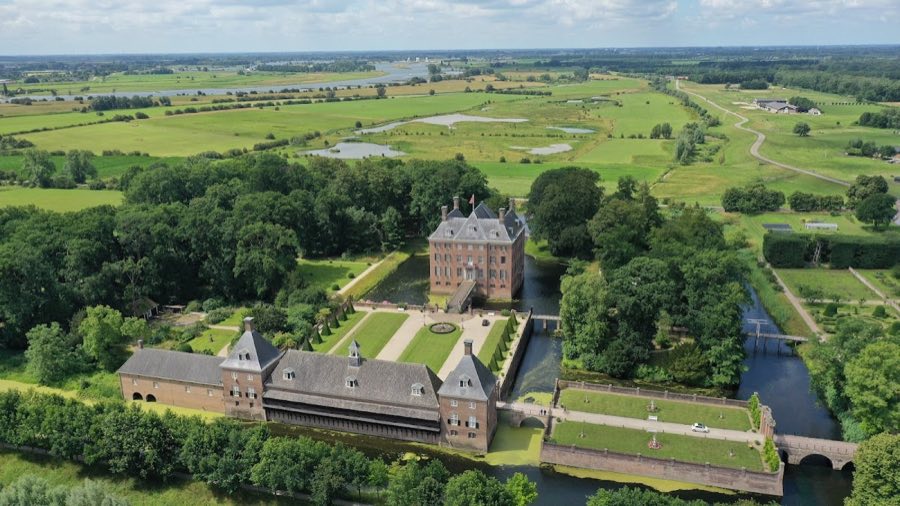
No. 71775
Amerongen Castle
Netherlands
CastleRuin17th century
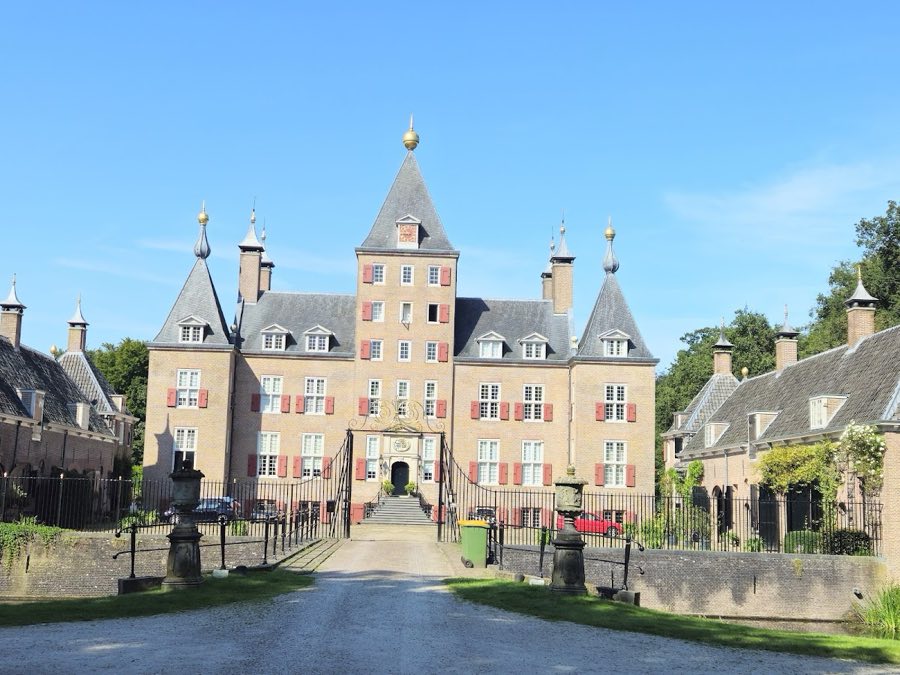
No. 23286
Castle · Netherlands
No. 23286 · 52.071 N, 5.545 E
Quick summary
Kasteel Renswoude is a castle in Netherlands with origins associated with the 17th century.
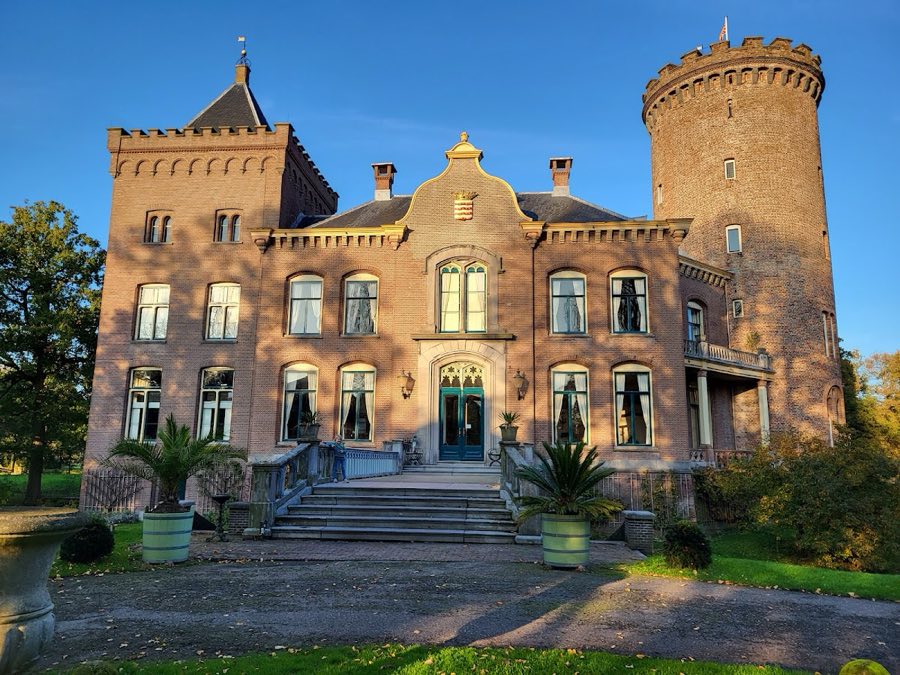
See all castles in NetherlandsKasteel Renswoude in Renswoude, Netherlands, began as a medieval fortress and by the 17th century had become a Dutch classicist country house, evolving over centuries as the residence and manorial centre of successive local lords. Its origins lie in the later Middle Ages, when the place known as Rijnswoude passed into new hands in the 1340s and a defensive stronghold, called Borchwal, was raised between about 1350 and 1375. The site remained a focal point of local lordship through the early modern period.
In 1623 the estate that included the fortress was transferred by Philip, Baron van Hamal, to Johan van Reede. During the 1640s the medieval fortified house was taken down and replaced by a new country house; an inscription on the building records that the work was probably finished in 1654. The rebuilt house was executed in the Hollandic, or Dutch, classicist manner and was raised on the older medieval footprint.
Early in the eighteenth century two corner towers were added, and within a few years the grounds were reshaped from a Dutch classical layout into a French classical arrangement, accompanied by the digging of a long canal about 700 metres in length. In the mid‑eighteenth century the estate passed by marriage into the Taets van Amerongen family, after which the house served as the family residence and as a formal manorial estate.
Members of the Taets van Amerongen family carried out further work in the nineteenth century. In 1816 Joost Gerard Taets van Amerongen undertook modernization, and later in the century Maximiliaan Jacob Leonard Taets and his wife commissioned a redesign of the grounds in the English landscape style, creating a more naturalistic park with arranged views toward the house. In the twentieth century custodianship of the building and park was separated, with the house placed under a foundation in 1968 and the park taken into the care of a landscape foundation. The main building underwent a large restoration in 1976; its interiors were severely damaged by fire on 28 November 1985. The site is recorded as a protected monument.
The ensemble sits with a clear historical layering: the present country house rests on the medieval nucleus of Borchwal, and the plan of the property reflects successive phases from fortress to classical residence and to a landscaped park. The house itself displays the form and proportions associated with Dutch classicism of the seventeenth century and stands on the earlier foundations laid in the fourteenth century. An inscription built into the house marks the likely completion of the seventeenth‑century rebuilding around 1654.
Two corner towers, added around 1705, remain as visible early‑eighteenth‑century additions to the house. These projecting towers alter the silhouette of the building and record a phase when fortification features were turned into representational architectural elements. The long canal laid out slightly later, measuring roughly 700 metres, survives as a defining feature of the eighteenth‑century scheme and anchors the former French‑style layout of the gardens.
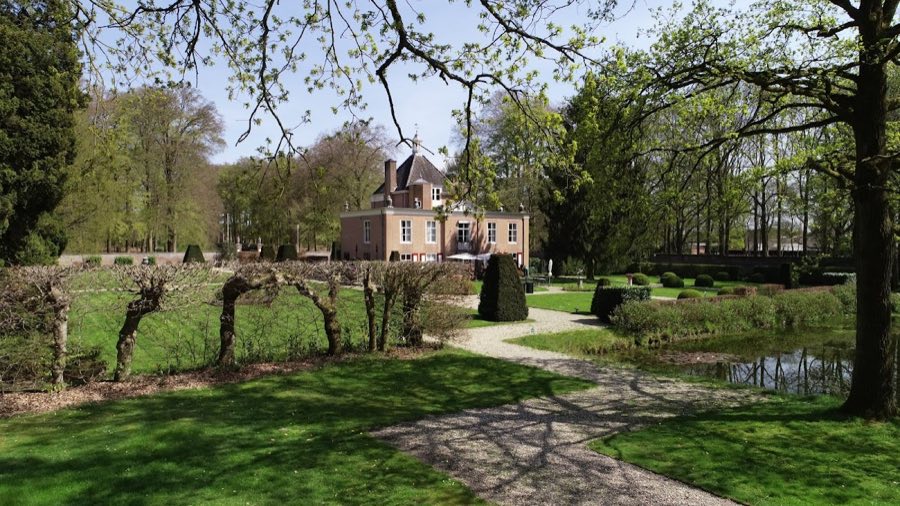
The grounds show the imprint of three major garden traditions. A formal French classical arrangement replaced earlier Dutch geometric beds in the early 1700s, and in the nineteenth century the park was reshaped in the English landscape manner, with dense, luxuriant planting and designed sightlines that frame views back to the house. A provincial road was later built through the garden, visually dividing the park into two sections; along this road stand former service houses that once belonged to the lordship. The house was comprehensively conserved in 1976, and its interior fabric suffered serious loss in the fire of 28 November 1985. The site is listed as monument number 11545.
No. 71775
No. 77524
No. 18487
No. 44343
Comments
Comments for Kasteel Renswoude will require a verified account before posting.
We'll send a verification link before your first comment is published.