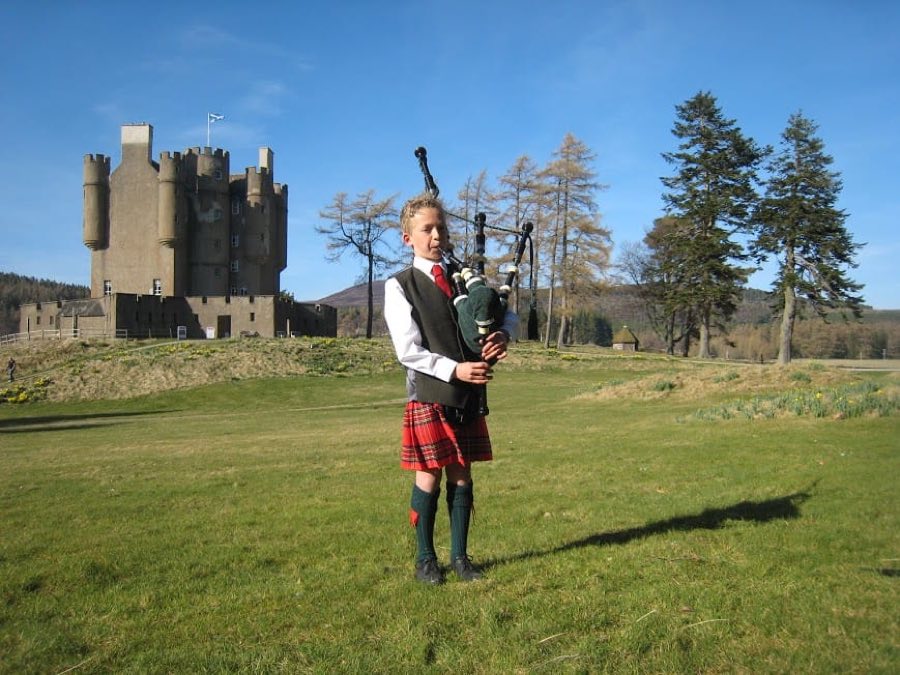
No. 20140
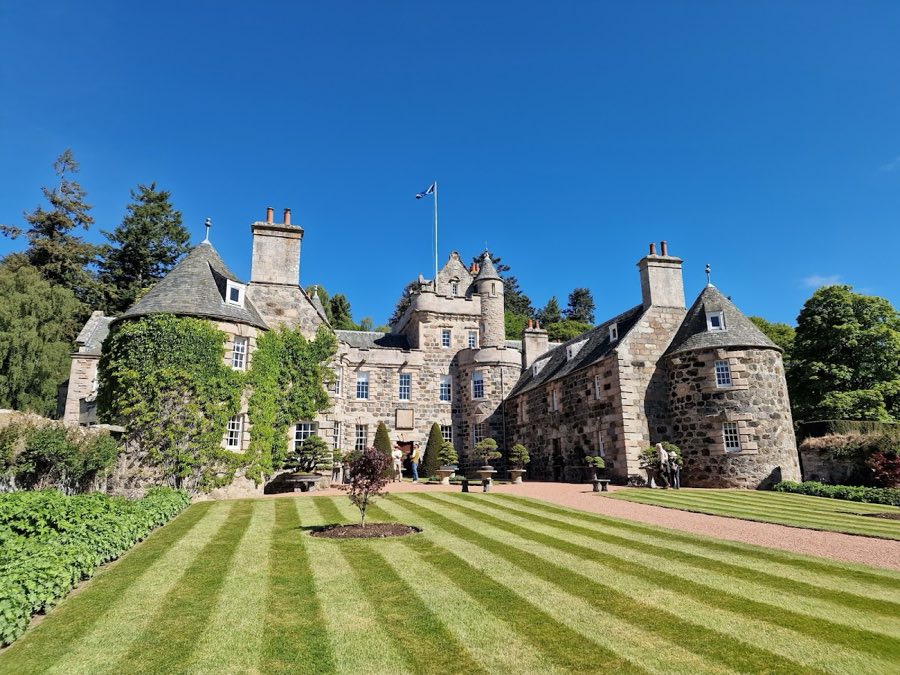
Braemar Castle
United Kingdom
CastleRuinFor events17th century
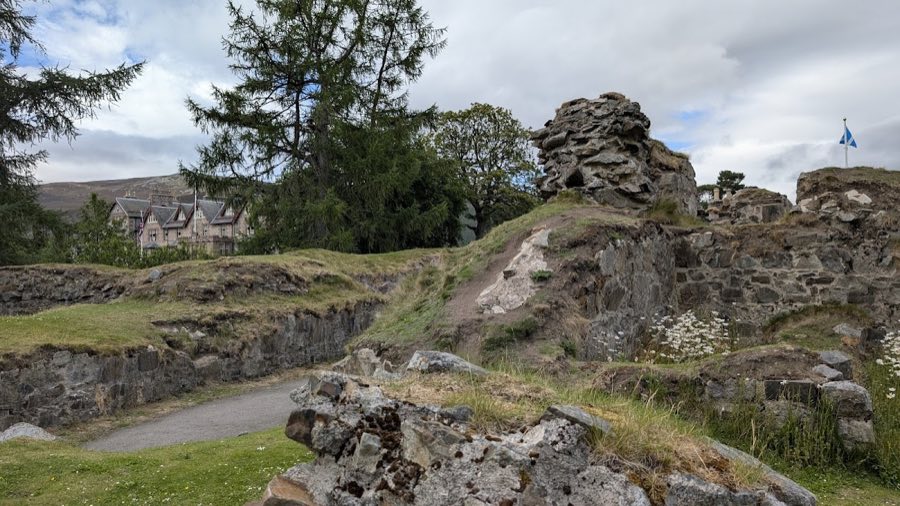
No. 64747
Castle · United Kingdom
No. 64747 · 57.004 N, 3.397 W
Quick summary
Kindrochit Castle is a castle in United Kingdom with origins associated with the 11th century.
See all castles in United KingdomKindrochit Castle stands in Braemar, Scotland, built by the medieval Scottish kingdom as a fortified residence. Its origins trace back to the late 11th century, when King Malcolm III, also known as Malcolm Canmore, established the castle between 1057 and 1093. The fortress controlled an important crossing over the Clunie Water and included a stone bridge constructed at the same time, emphasizing the site’s strategic importance in the region.
During the 14th century, the castle played a notable role as a royal hunting retreat. King Robert II of Scotland visited Kindrochit annually between 1371 and 1388 to hunt in the nearby Braes of Mar, indicating the site’s continued use and significance in this period. Later, on 10 November 1390, Robert III formally granted permission to Malcolm Drummond, his brother-in-law, to build a new tower on the castle grounds. Drummond began the construction of this substantial tower, designed to reinforce the site’s defenses; however, his efforts were cut short by his murder before completion.
By the early 17th century, Kindrochit Castle had fallen into disrepair. In 1618, John Taylor, an English poet and traveller, recorded the castle as a ruin during his Pennylesse Pilgrimage. He was shown the remains by John Erskine, the 18th Earl of Mar, who recounted the castle’s historical origins and its connection to earlier Scottish monarchs. In the 20th century, archaeological investigations in 1925 uncovered the foundations of the original hall and other structural remains, shedding light on the castle’s layout and construction phases.
Kindrochit’s location near the Elsick Mounth, an ancient trackway across the Grampian Mountains, linked it strategically with other strongholds such as Kildrummy and Durris. This positioning underscores its role in controlling movement through the region. Restoration efforts in the early 21st century, carried out between 2013 and 2014, preserved the site, which has since been recognized as a scheduled monument.
The surviving remains at Kindrochit Castle reveal a complex layout centered around a substantial stone tower and an earlier residential hall. The castle was constructed primarily of stone, with thick defensive walls and small towers anchoring each corner, reflecting its original function as a fortified bridgehead overseeing a strategic river crossing.
Excavations uncovered an original hall measuring roughly 30 meters in length and between 9 and 10 meters wide. This hall featured vaulted sections partially set below ground level, suggesting adaptations to the terrain and an emphasis on securing the living quarters. Small square towers once stood at each corner of the hall, adding defensive strength and providing vantage points over the surrounding landscape.
The 14th-century tower begun under Malcolm Drummond was a substantial rectangular building measuring approximately 19 to 21 meters long and 13 to 14 meters wide. Its walls were notably thick — around 3 meters — underscoring the medieval focus on strong defensive architecture. The surviving ruins today mainly consist of the tower’s ground floor, which lies on the right bank of the Clunie Water within Braemar village. These remnants offer a clear connection to the castle’s later medieval phase while integrating with the original 11th-century foundations.
The castle’s position adjacent to the stone bridge highlights its dual role in defense and control of river traffic, acting as a fortified point guarding this vital crossing. Although no inscriptions or decorative features have been documented at the site, historical accounts emphasize its enduring importance through successive Scottish rulers. Restored and protected as a scheduled monument, the remains of Kindrochit Castle continue to testify to the layered history of medieval Scotland.
No. 20140
No. 42584
No. 60523
No. 61507
Comments
Comments for Kindrochit Castle will require a verified account before posting.
We'll send a verification link before your first comment is published.