No. 67937
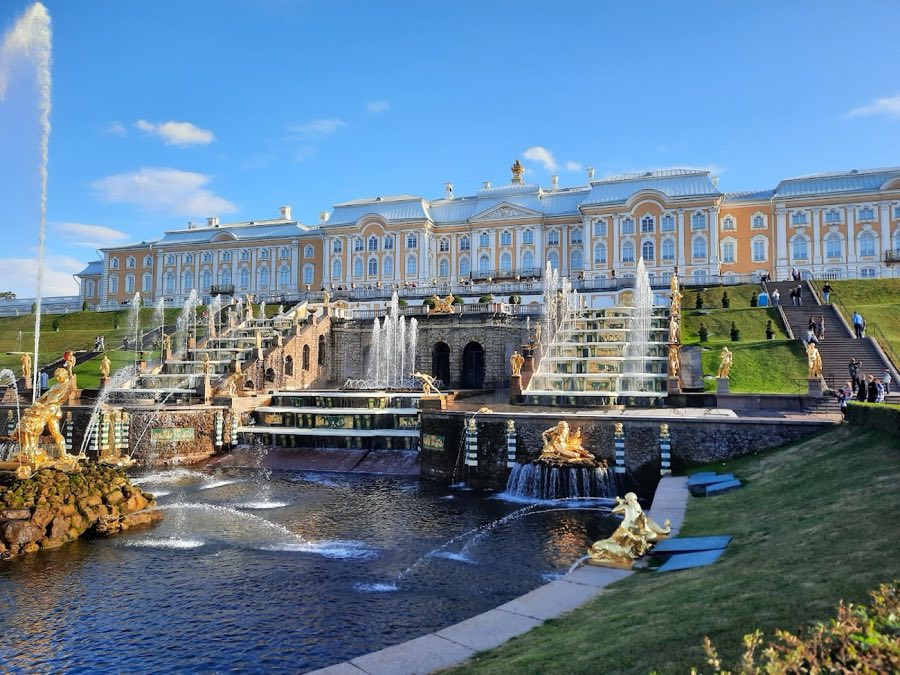
Peterhof Grand Palace
Russia
PalaceRestored18th century
No. 45253
Palace · Russia
No. 45253 · 59.889 N, 29.896 E
Quick summary
Marly Palace, Peterhof is a palace in Peterhof, Russia with origins associated with the 18th century.
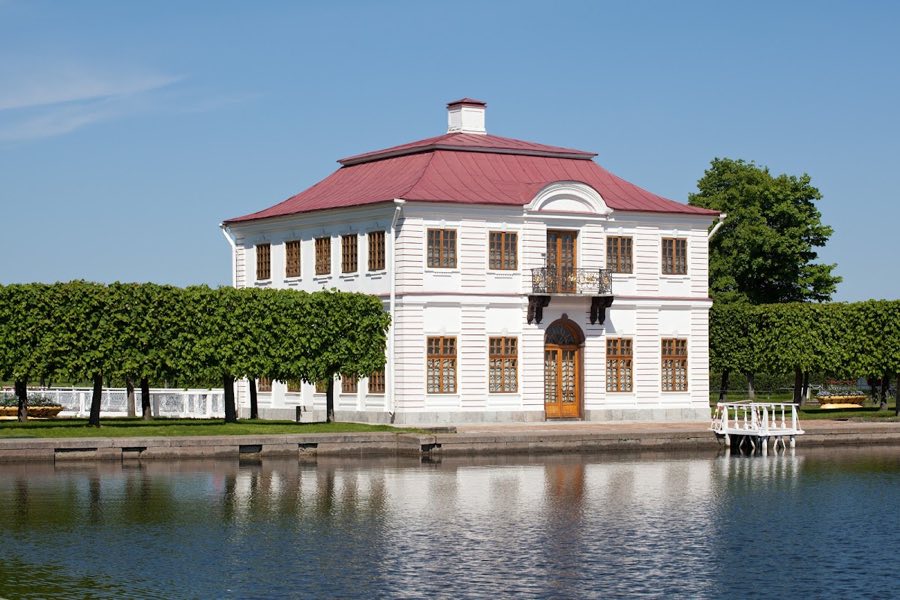
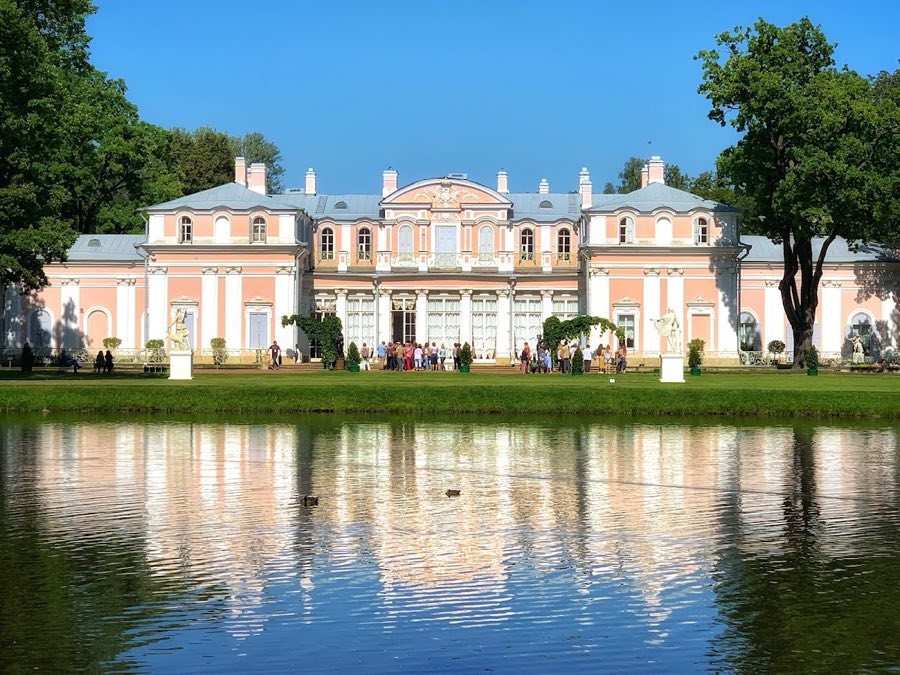
See all castles in RussiaMarly Palace in Peterhof, Russia, is a small pavilion-palace erected in the early 18th century by the Russian imperial court during the reign of Peter the Great. The building takes its name from Peter’s 1717 visit to the French royal residence at Marly-le-Roi near Paris, and it was raised between 1720 and 1723 as part of the new gardens and ponds at the western end of the Lower Park. From its first years it formed part of Peterhof’s ensemble and served both practical and representational purposes within the imperial estate.
Construction began as a single-storey pavilion but was altered during building on the command of Peter the Great, who ordered a second floor added so the proportions of the house would appear complete and balanced. Craftsmen, including sculptors and stone workers, executed the sculptural and masonry decoration that complemented the surrounding water features installed at the same time. In its early decades the pavilion provided lodging for noble visitors to Peterhof and functioned as a refined retreat within the park.
By the middle of the 18th century the building acquired a commemorative role connected with Peter the Great. Personal belongings associated with the emperor were brought together there, among them a wool cloak-cape, two brown glass flasks brought from Spa, and colored glass decanters bearing seals marked “Danzig” and “London.” While continuing to accommodate guests on occasion, the palace increasingly served to preserve items linked to the founder of the estate.
Structural problems at the end of the 19th century led to a comprehensive intervention in 1899: the building was dismantled and rebuilt on a new foundation to remedy cracking, while decorative features were conserved and restored with careful attention to the original appearance. During the Great Patriotic War, the palace sustained severe damage from a delayed-action mine; the movable collections had been removed in 1941. Exterior surfaces underwent repair work after 1955, and later conservation prepared the house for public display. In 1982 Marly Palace opened as a museum, presenting Peter the Great’s belongings, volumes from his library, examples of furniture (some original, others chosen by analogy to historical records), table service, and a painting collection assembled by the emperor.
The palace reads as a compact cube in form and occupies two storeys, with a plan that provides twelve rooms in addition to a main staircase and two circulation corridors. Rather than having a large formal audience chamber, the vestibule, known as the Front Hall, was intended to serve the function of a parade or reception space. The 1899 work underpinned the building on a new foundation and preserved the ornamental elements so the present structure reflects both early 18th-century design and later conservation.
Exterior finishes include rusticated pilasters topped with Doric capitals, balconies fitted with wrought-iron grilles, and windows made up of many small square panes, all executed to produce restrained, classical facades around the compact mass of the house. These decorative elements were retained or restored in later repairs, and the façades were reconstructed after the wartime damage was cleared in the mid-20th century.
The palace stands at the heart of the Marly garden complex, whose layout was established at the same time as the building. A large central water basin, the Great Pond, divides the planting into two named areas: the Garden of Bacchus to the south and the Garden of Venus to the north, closer to the sea. The Garden of Venus was cultivated to supply fruit for the court table, and it was protected from Baltic winds by an earthen embankment built when the ponds were formed. The southern garden was the spot where grape growing was tried under Peter the Great, an experiment that did not succeed.
To the east of the house lie the Marly ponds and to the west the Sectoral Ponds; these basins served decorative and practical roles. Fish were kept in the ponds to supply the royal table, a practice that began in 1724 and has been re-established in modern times. The overall garden plan follows the principles of a formal park while incorporating service functions, a combination that influenced the arrangement of Russian country estates in the 18th century.
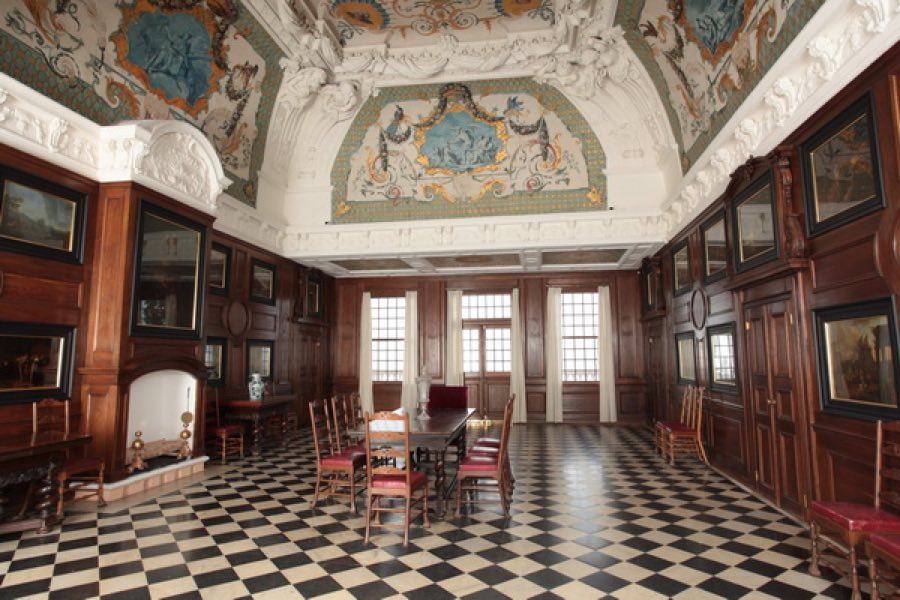
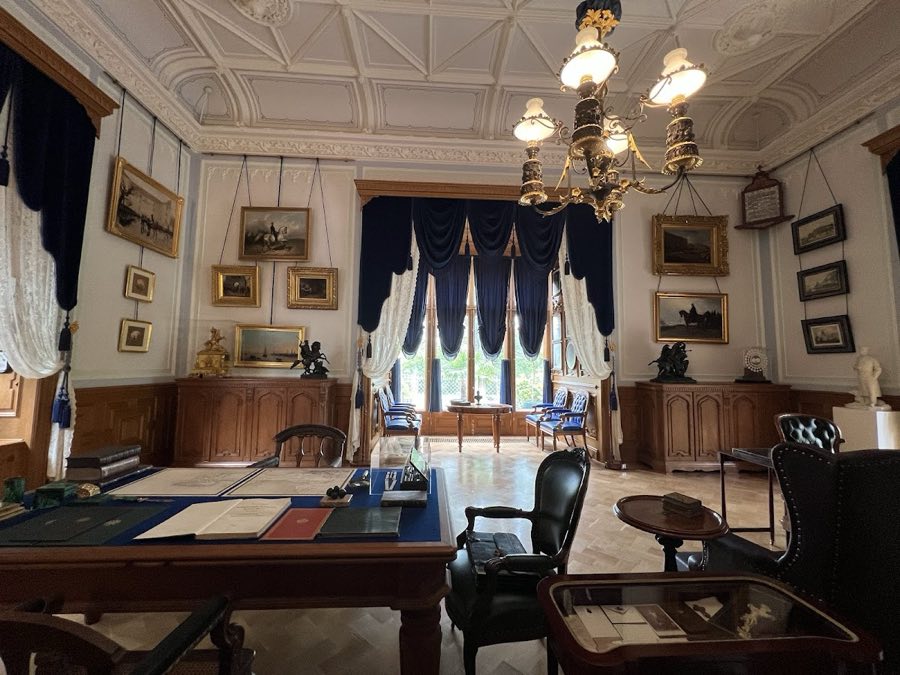
Inside the restored building, the display includes personal items of Peter the Great, books from his library, period furniture and tableware, and a painting collection gathered by the emperor. The surviving ensemble of building, water features, terraces, and protective embankment reflects the original relationship between the pavilion and its engineered landscape, with conservation efforts returning the complex to a largely authentic appearance.
No. 67937
No. 97120
No. 42122
No. 92547
Comments
Comments for Marly Palace, Peterhof will require a verified account before posting.
We'll send a verification link before your first comment is published.