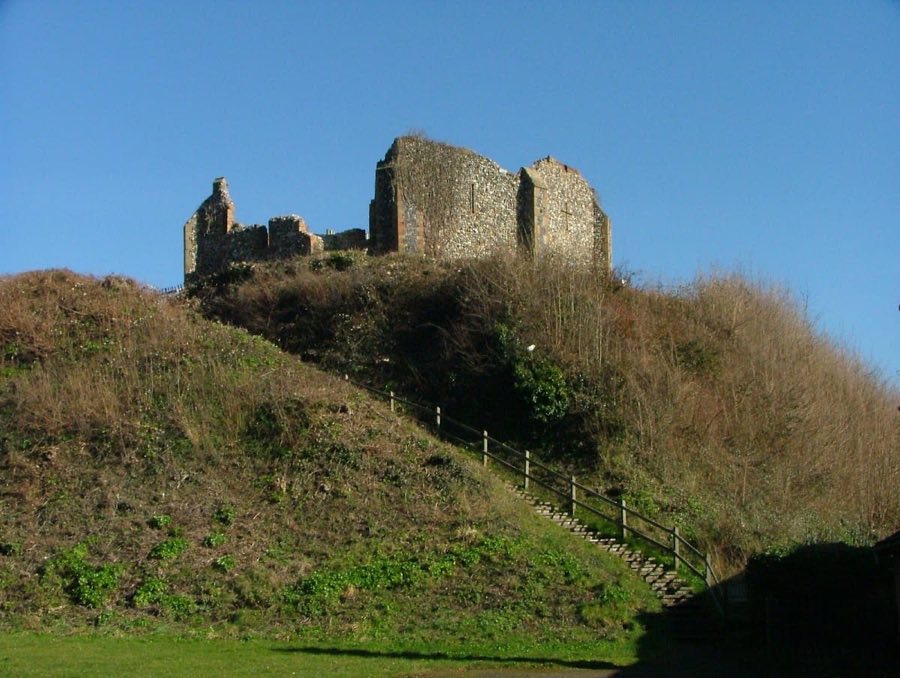
No. 59573
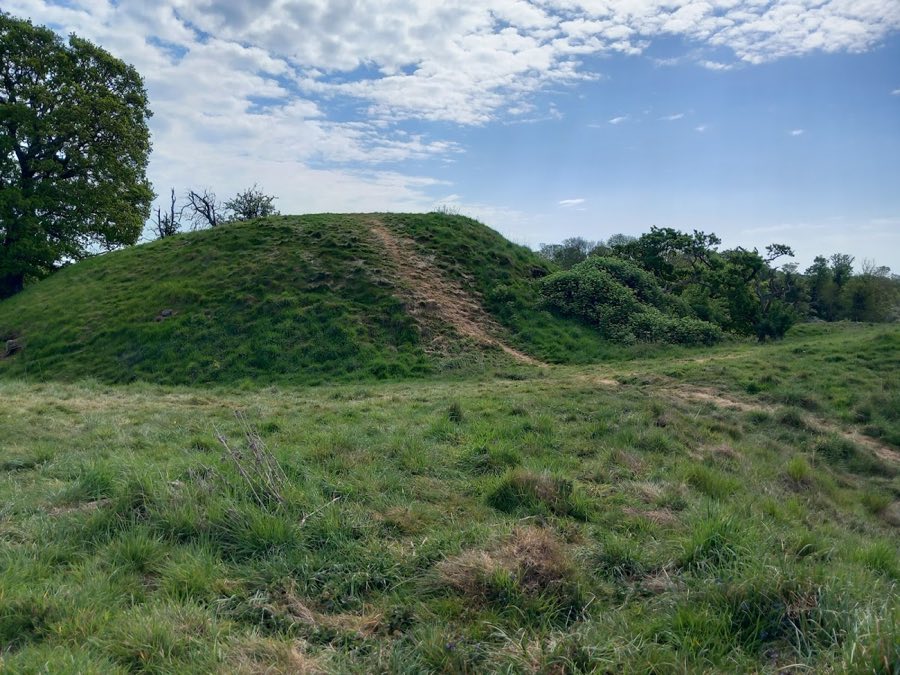
Eye Castle
United Kingdom
CastleRuin14th century
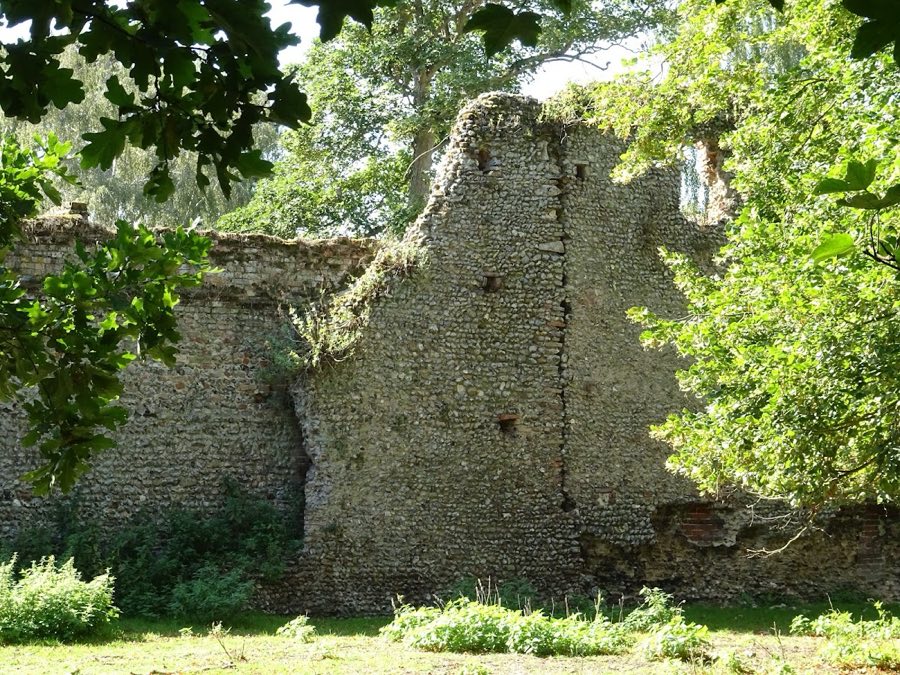
No. 16882
Castle · United Kingdom
No. 16882 · 52.445 N, 1.471 E
Quick summary
Mettingham Castle is a castle in United Kingdom with origins associated with the 21th century.
See all castles in United KingdomMettingham Castle in the parish of Mettingham, England, was built by medieval English nobility.
The site’s transformation into a fortified residence began in 1342, when Sir John de Norwich obtained permission to strengthen his existing manor by adding battlements and other defensive work. His family retained possession until 1394, when the estate was handed over to a group of secular canons from nearby Norton. These canons established Mettingham College within the small moated court and provided instruction for as many as thirteen boys.
Following the dissolution of the monasteries, the property left ecclesiastical hands and, after 1542, passed through a succession of private owners. In the 1700s much of the medieval structure was taken down to make room for a new farmhouse. That farmhouse remained until about 1880, when it too was removed and a later house erected that incorporated sections of the original medieval stonework. In the 21st century the site received conservation attention, including a major repair programme supported in part by a grant of £330,000 from English Heritage, and it is recorded as a scheduled monument and as a Grade II listed building.
Mettingham occupies the footprint of a fortified manor arranged around several moated courts and enclosed by stone walls. The earliest enclosure sat within a narrow moat measuring up to fifteen feet across, with raised banks roughly six feet high, forming a defended platform for the original house. Additional moated courts were added later, one to the north that included a northern gateway, and another to the south, creating a complex of water-filled ditches and raised earthworks that define the site today.
A gatehouse constructed in an Edwardian manner formed the main entrance and was accompanied by a stone curtain wall that ran around the courts. The wall and gatehouse were built in stone, providing a solid boundary for the manor. By 1562 the enclosure described within those walls contained stables, lodgings for servants, a kitchen, a bakehouse, a brewhouse, a malting house, various storehouses and an aisled hall, showing the site’s role as a self-contained household and estate centre.
Surviving archaeological fabric includes portions of the gatehouse and fragments of the stone walls, together with extensive moats and related earthworks that trace the original plan. Later building campaigns altered the site: the 18th-century farmhouse replaced much medieval fabric, and the later 19th-century house reused medieval masonry in its construction. Present remains are therefore a mixture of in situ medieval stonework, reused medieval fabric within later structures, and well-preserved earthwork features. The site’s protected status supported recent repair work aimed at stabilising and conserving these elements.
No. 59573
No. 14556
No. 42582
No. 79280
Comments
Comments for Mettingham Castle will require a verified account before posting.
We'll send a verification link before your first comment is published.