No. 37921
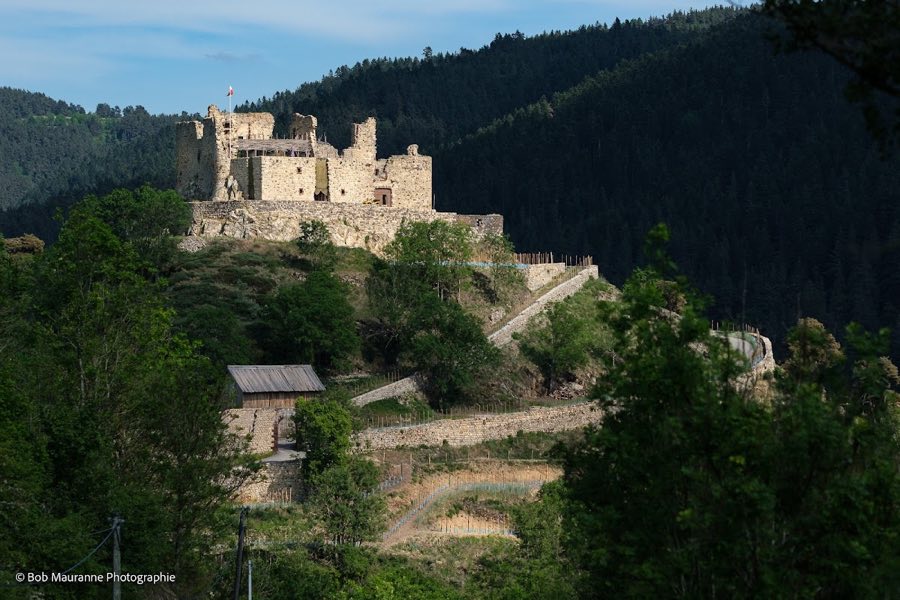
Château de Beaufort
France
ChâteauRuin12th century
No. 48361
Château · France
No. 48361 · 45.034 N, 3.916 E
Quick summary
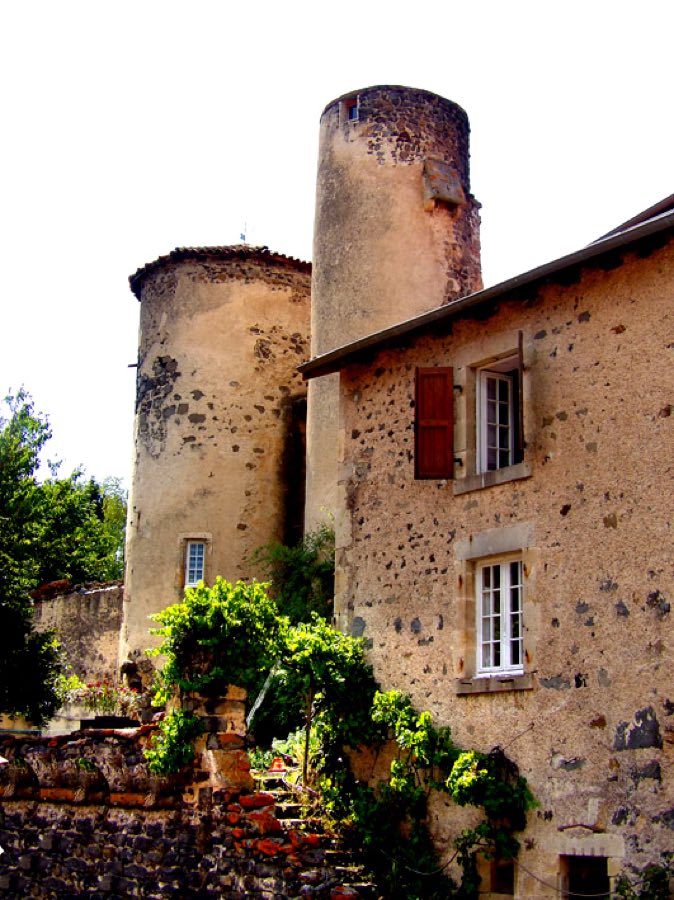
Mons Castle is a château in France with origins associated with the 17th century.
See all castles in FranceMons Castle stands at Le Puy-en-Velay, France. Its earliest written appearance calls it “Montz” in 1299.
Medieval records show a major transfer of ownership in 1331, when Armand, vicomte de Polignac, gave the estate away on the feast of Saint Matthew, while keeping the high justice and the land as a subfief. In 1342 Armand’s donee, named in records as Jean de Murs or Jean de Muret, sold the property to Gilbert de Saint Germain Laprade, who is recorded as lord of Mons. After this sale little is recorded about the place until the early modern era.
By the turn of the 16th to the 17th century the property belonged to the La Tour Saint-Vidal family. Antoine II de La Tour Saint-Vidal is named as master of Mons and in March 1589 he joined the Catholic League together with the bishop Sennectère. Antoine II died in 1591, and the estate remained with his family. Between 1594 and 1596 the duke of Ventadour occupied the château during his operations around Le Puy.
In about 1634–1635 Pierre Antoine de La Tour de Rochefort, baron de Saint-Vidal, sold Mons to Hugues Spert. Spert made Mons his home after soldiers of the duke of Ventadour burned his château at Volhac. Hugues Spert died on 9 March 1650. Roughly a year later Charles de Molette, seigneur de Morangiers, attempted to seize Spert’s daughter Marie Isabeau to force a marriage, but that attempt failed.
From the later 18th century the château entered ecclesiastical use. In 1759 it became a house of rest and vacation for the grand seminary of Le Puy; the Jesuit order maintained a separate country house at a different estate called l’Ours. Both church properties were dispossessed during the Revolution. The Jesuits returned to ownership in 1839, acquiring the château and its dependencies. Between 1840 and 1842 the Jesuit community carried out restoration work, adding a chapel, reshaping parts of the exterior, rebuilding a retaining wall, and converting an older dovecote into a chapel devoted to the Virgin.
Religious congregations were expelled in 1880 and the Jesuits left; the property then passed to the Verac and Sinéty families, who placed it at the disposal of the diocese and a religious company. Jesuit activity at Mons resumed in 1919. In the mid-20th century the Société Borne et Dolaizon owned the property and commissioned a study in 1959 to consider listing it for historic protection. The Pères Blancs de Vals acquired the château in 1962–1963, and soon after the Pensionnat Notre-Dame de France took ownership and built a stadium on the grounds in the 1960s.
Local conservation action began in the 1990s. An association for the château and its surroundings was created in 1994 and launched a public appeal in 1996 inviting part-ownership and seeking funds to repair the roof. The official listing as a protected historic monument took effect in 1995 after Mme Soleilhant purchased the property; the south wing, identified as a later addition, was excluded from that inscription. Interior decoration in the 20th century included frescoes attributed to the artist André Bouler. A nineteenth-century publication in the castle’s bibliography records a fire at Mons in 1693.
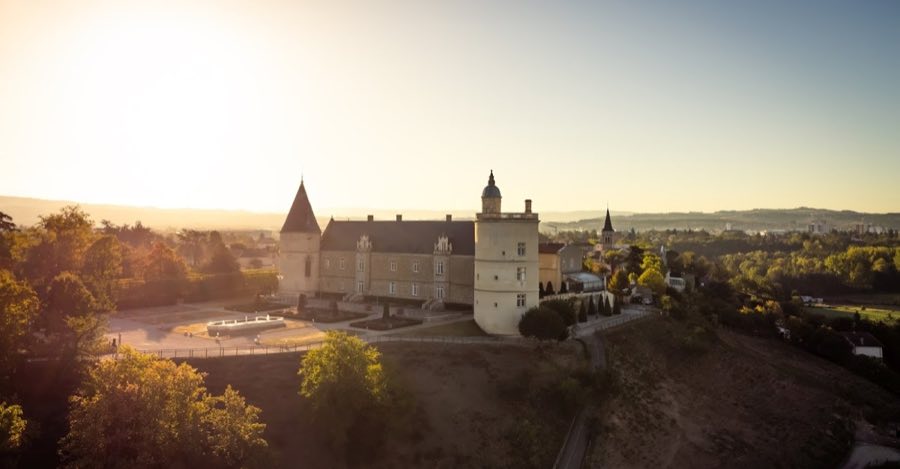
The site presents a composition of historic strata shaped by repair, religious reuse, and 20th-century additions, sited beside a garden or orchard recorded in contemporary accounts. The exterior profile was altered in the 1840–1842 campaign, when parts of the outside were rearranged and a retaining wall was rebuilt to stabilise the grounds; that rebuilt wall is a documented element of the property’s historic fabric and dates to the mid-19th century restoration.
Religious adaptation during the same 1840–1842 work produced two clearly recorded features. A new chapel was added to the château in that period, and an older dovecote was converted into a small chapel dedicated to the Virgin. These conversions represent a change of use from agricultural or service functions to liturgical ones and are part of the building phases that followed the Jesuits’ 1839 acquisition and their campaign of repair and alteration.
An additional wing on the south side of the main building is described in the record as a later construction. That south wing was treated separately during formal protection procedures in the 1990s and was explicitly excluded from the 1995 designation as a historic monument, indicating that it is recognised as not belonging to the principal historic phases that the listing protects.
Interior decoration recorded in the 20th century includes fresco paintings attributed to André Bouler. These works are part of the more recent aesthetic history of the interiors and were noted alongside other twentieth-century interventions. In the 1960s the school that held the property constructed a stadium on the grounds, a modern insertion into the estate that remains part of the site’s recent layers.
The state of the fabric prompted conservation action in the 1990s. By 1995 the château was described as threatening to fall into ruin, and local supporters organised a campaign the following year focused on raising funds to repair the roof. A published nineteenth-century account records a fire at Mons in 1693, and that event appears in the castle’s published bibliography as part of its documentary history. Local accounts also preserve human detail connected to the grounds, including a bourgeoise named Gabrielle Blanc who is recorded as having died in her garden adjoining the château, with witnesses noted as standing in a neighbouring orchard.
No. 37921
No. 27201
No. 18413
No. 23953
Comments
Comments for Mons Castle will require a verified account before posting.
We'll send a verification link before your first comment is published.