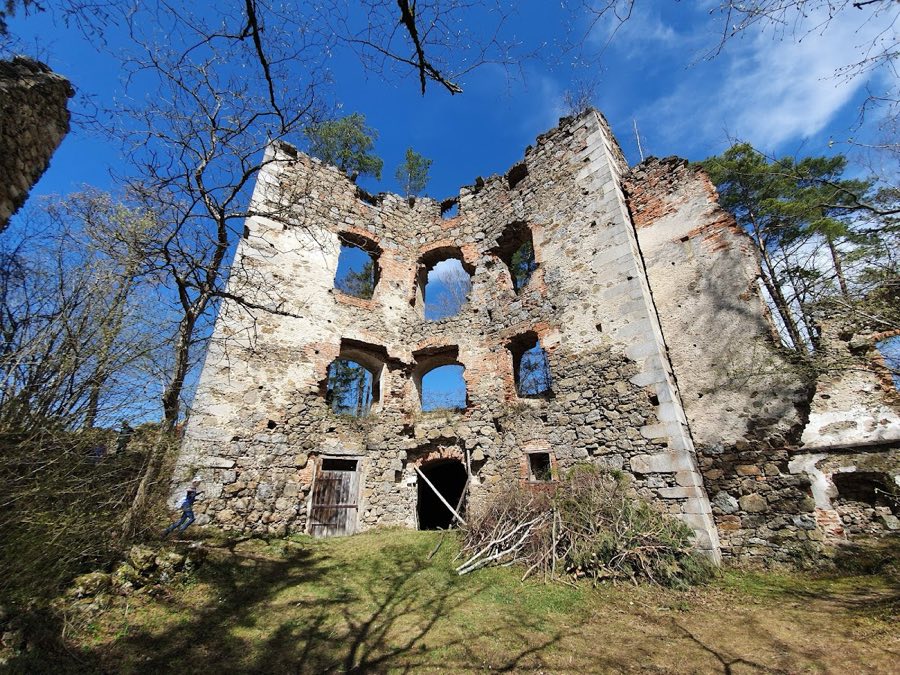
No. 67930
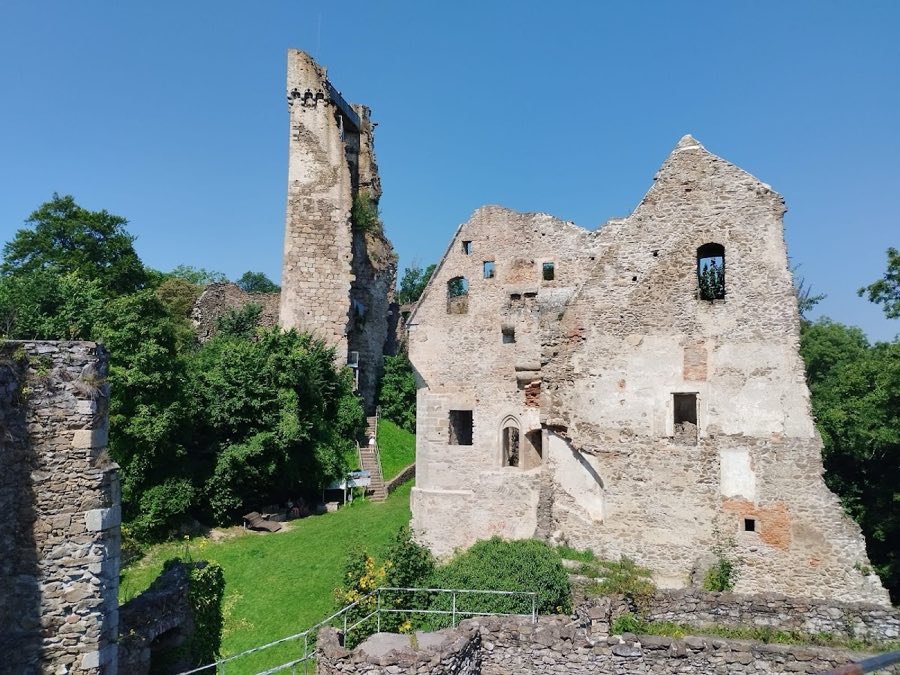
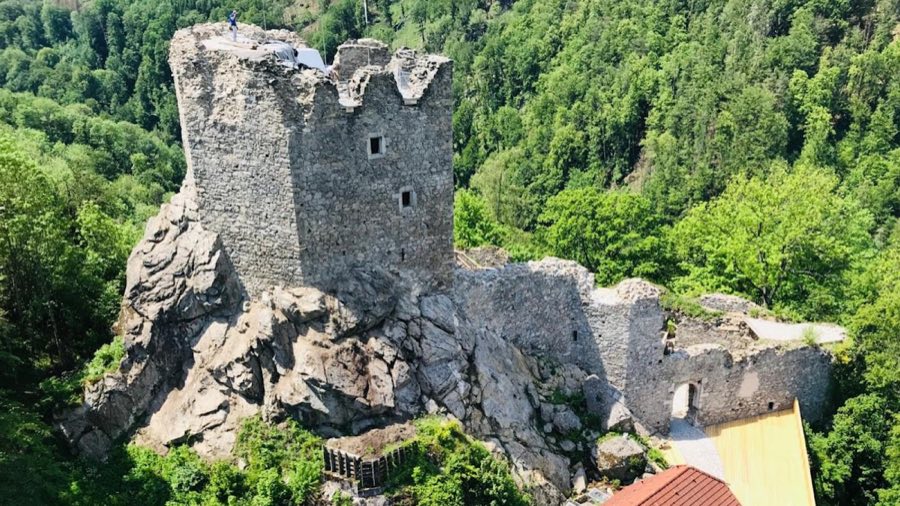
Ruine Oberwallsee
Austria
CastleRuin14th century
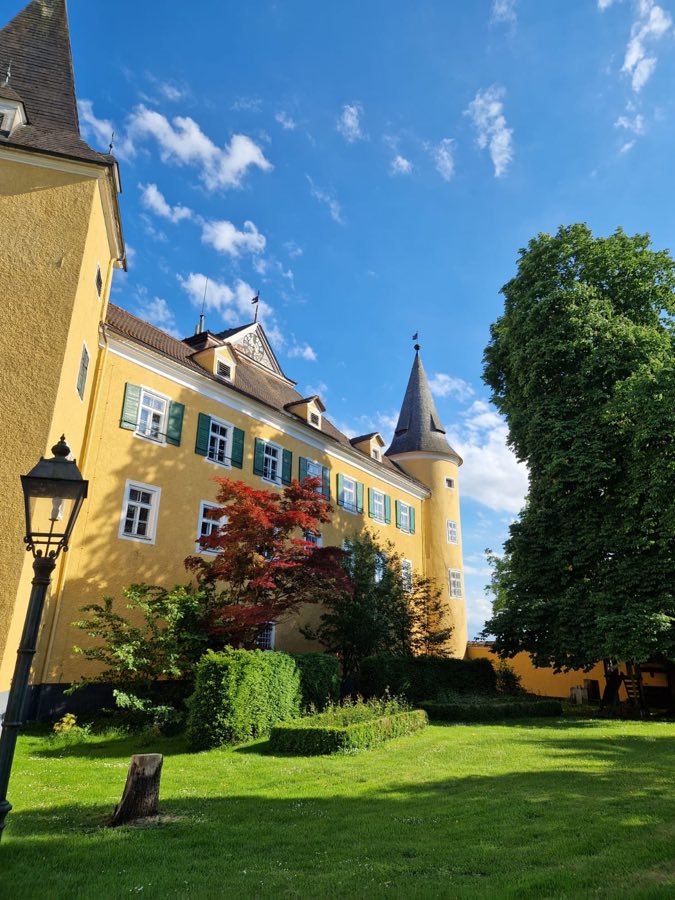
No. 71739
Castle · Austria
No. 71739 · 48.341 N, 14.083 E
Quick summary
Mühldorf Castle is a castle in Austria with origins associated with the 14th century.
See all castles in AustriaMühldorf Castle in Feldkirchen an der Donau, Austria, is a medieval stronghold whose visible core dates to the 1500s and which appears in a 1674 view as a moated, heavily fortified residence. First recorded in 1347 as the property of Niklas the Mühldorfer, the site was then linked to Freudenstein Castle and later entered the land register of Oberwallsee, placing it within the network of local noble estates in the late medieval period.
In 1363 the Premser family received Mühldorf as a fief from the Wallseer family. After the Wallseers died out in 1483, control shifted to the Liechtenstein family. Virgilius Premser is named at the site in 1491, and the Premser line retained ownership until 1560, when Achaz Premser was the last male member of that family to hold the estate.
During the later 1500s and the 1600s the castle passed through a sequence of noble hands. In 1563 Wilhelm Tupfer von Mitterndorf held the property as a Liechtenstein fief. By 1594 Hans Georg Siegmar Stangl owned Mühldorf, and at an unspecified later date Rosina von Herberstein became proprietor. In 1660 Count Sebastian von Clam acquired the estate; ownership then passed to Matthias von Undorf, and in 1674 Johanna Undorf brought Mühldorf into her marriage with Johann Georg Peisser von Wertenau.
The Cistercian Abbey of Wilhering bought the property in 1747 from Maria Clara von Hoch and operated the complex as a manor farm, while the castle building served as the residence of the farm’s manager. The abbey retained ownership into the late twentieth century. In 1942 parts of the ethnographic collections of the Upper Austrian State Museum from Linz were moved to Mühldorf Castle for safekeeping and remained there until the end of World War II. After the war the property entered private hands and was adapted for hospitality and event use; the former economic buildings have been reused in later decades.
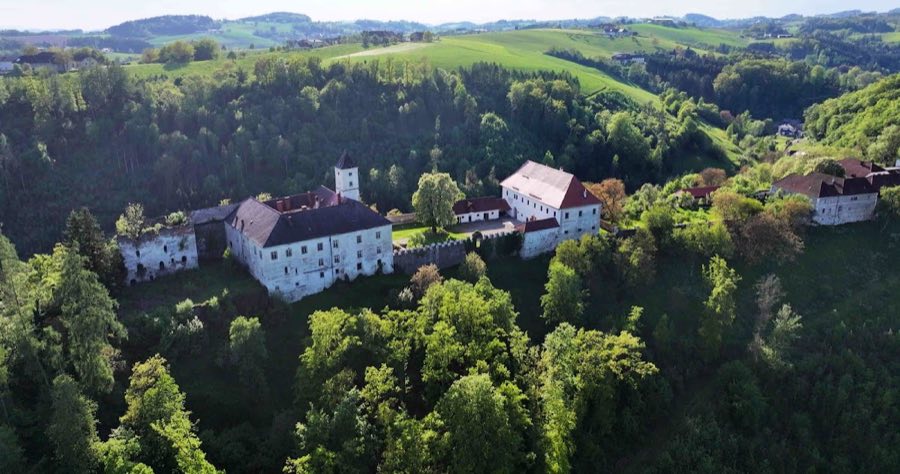
The castle stands as a compact complex organized around a rectangular central block whose fabric dates to the 1500s. A prominent Gothic gate tower provides the main entrance and includes a principal portal plus a small wicket (a narrow doorway for pedestrians). Elements from the later seventeenth century link the central block to its flanking towers by means of added wings, so the present massing reflects building phases from the sixteenth and the second half of the seventeenth centuries.
Historical imagery from 1674 shows Mühldorf as a water-surrounded fortress with a continuous curtain wall guarded by two round towers and one square tower, and with two towers capped by onion-shaped domes. That view also records smaller watchtowers and a wooden bridge giving access from the outer service range, which stood opposite the main residence. Archaeological and structural evidence on site corresponds to this fortified arrangement, though the moat has since been filled and levelled.
The southwest tower contains the castle chapel, which preserves an altar dated 1660, indicating continued liturgical use in the mid-seventeenth century. The area that once held water is now a grassed surface leading across a masonry bridge toward a corner gate tower. Visitors approach the core from the courtyard side; from the rear courtyard a walled enclosure opens onto the former park, which is bounded by a high enclosing wall. The economic buildings that flank the castle complex have been adapted to modern functions, occupying the space opposite the main house and reflecting later reuse of service structures.
No. 67930
No. 43192
No. 75290
No. 91704
Comments
Comments for Mühldorf Castle will require a verified account before posting.
We'll send a verification link before your first comment is published.