No. 87135
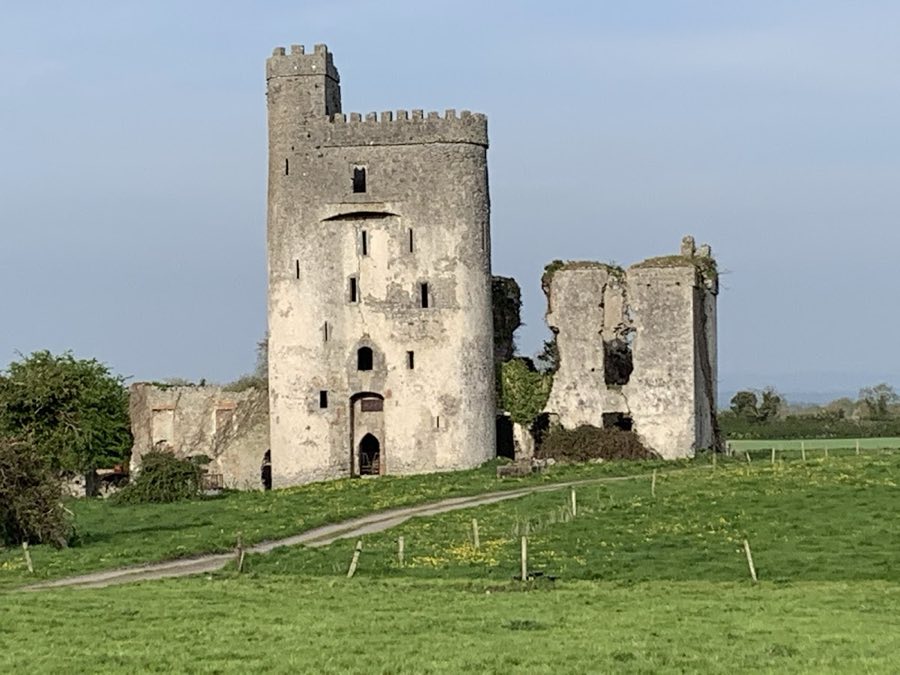
Ballyadams Castle
Ireland
Tower houseRuin16th century
No. 63687
No. 63687 · 53.032 N, 7.210 W
For events
Rock of Dunamase is marked as a château or castle venue lead. Capacity, indoor/outdoor spaces, catering rules, and accommodation options are published only after public verification.
Event types: Private events, Cultural gatherings, Filming and photography
Quick summary
Rock of Dunamase is a castle in Ireland with origins associated with the 9th century.
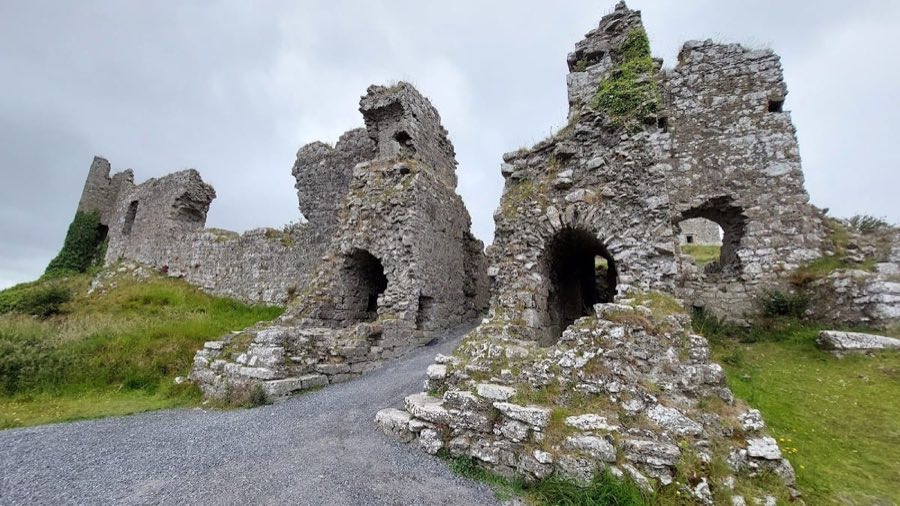
See all castles in IrelandThe Rock of Dunamase, situated in the area of Dunamaise in County Laois, Ireland, originated as a settlement built by early medieval inhabitants. The site began its use in the 9th century when a hill fort, known locally as a dún—which means fort in Irish—was constructed atop the rocky hill rising prominently above the surrounding plains.
During the mid-9th century, the location witnessed Viking raids in 842 and again in 845. These attacks were significant enough to have religious repercussions, including the death of the abbot Aed son of Dub dá Chrích from the nearby monastic settlement at Terryglass. Following this turbulent period, there is no clear historical record indicating continuous occupation through the 10th and 11th centuries.
The early Norman period brought new developments to the Rock of Dunamase when a castle was erected in the latter half of the 12th century. This stronghold formed part of the network of Norman fortifications emerging after their arrival in Ireland. The castle became strategically important in the regional conflicts involving Dermot Mac Morrough, the King of Leinster, who used it during his campaigns. It also played a role in alliances formed through marriage; Dermot gave the castle as part of the marriage settlement to Richard de Clare, known as Strongbow, in 1170.
Control of the castle passed through several notable Anglo-Norman families over the subsequent centuries. After Strongbow and his wife Aoife, their daughter Isabel inherited the property, which eventually came under the stewardship of the Marshal family. Through marriage, ownership shifted to the Mortimers, a powerful English noble family, who maintained the castle until around 1330. After this point, Norman influence waned, and the castle fell into disrepair, becoming largely ruinous by the mid-14th century.
In the 15th century, the castle became the seat of the O’More (Ó Mórdha) clan, local Gaelic lords who held sway over Laois and resisted increasing English authority. The castle remained under their control until the late 16th century. Rory O’More, a notable chieftain, was among its last prominent owners before the family moved to Kildare in 1574, benefiting from land grants made by Queen Elizabeth I. Many years later, in 1650, the structure was deliberately damaged—known as slighting—to prevent its military use during the political conflicts of the period, though it did not feature in the rebellions or wars immediately preceding this.
By the late 18th century, efforts were made to adapt parts of the abandoned ruins. Sir John Parnell initiated the construction of a banqueting hall within the old castle walls, incorporating architectural elements retrieved from other medieval buildings in the area. This intervention reflected a blending of new uses with the site’s medieval heritage.
The Rock of Dunamase’s remains occupy a commanding rocky hill rising about 46 metres above the surrounding flatlands. At the core of the site lie the ruins of Dunamase Castle, constructed during the Norman period as a defensible stronghold overseeing the surrounding plain and with line of sight toward the Slieve Bloom Mountains. The layout reflects typical early Norman military architecture, designed for both residence and defence.
Central to the castle’s design is a large hall, historically used as a gathering or administrative space, enclosed within a curtain wall, which in Irish is called an imbhalla. This encircling wall formed a protective barrier around the hall and inner courtyard, helping to defend against attacks. The southern side features an escape postern gate—a small, secondary door intended for discreet exit or entry in times of siege.
On the southeastern edge of the castle stands a gatehouse, the main fortified entrance to the site. This gateway is connected to a barbican, an outer defensive courtyard area designed to impede attackers before reaching the main gate. The presence of these structures highlights the castle’s role as both a military stronghold and a place of governance.
In the 18th century, Sir John Parnell incorporated medieval architectural fragments sourced from other sites nearby into new constructions within the castle ruins, particularly the banqueting hall he began building. These reused elements add complexity to the existing ruins, fusing original Norman stonework with later additions to the site’s fabric.
Today, the remnants of Dunamase Castle present a combination of these original defensive features and later modifications. The ruins convey the strategic importance of the rocky outcrop as a fortified location and bear witness to the layers of history embodied in the structure—from its early medieval origins through Anglo-Norman dominance to Gaelic lordship and eventual decline.
No. 87135
No. 20256
No. 57865
No. 98428
Comments
Comments for Rock of Dunamase will require a verified account before posting.
We'll send a verification link before your first comment is published.