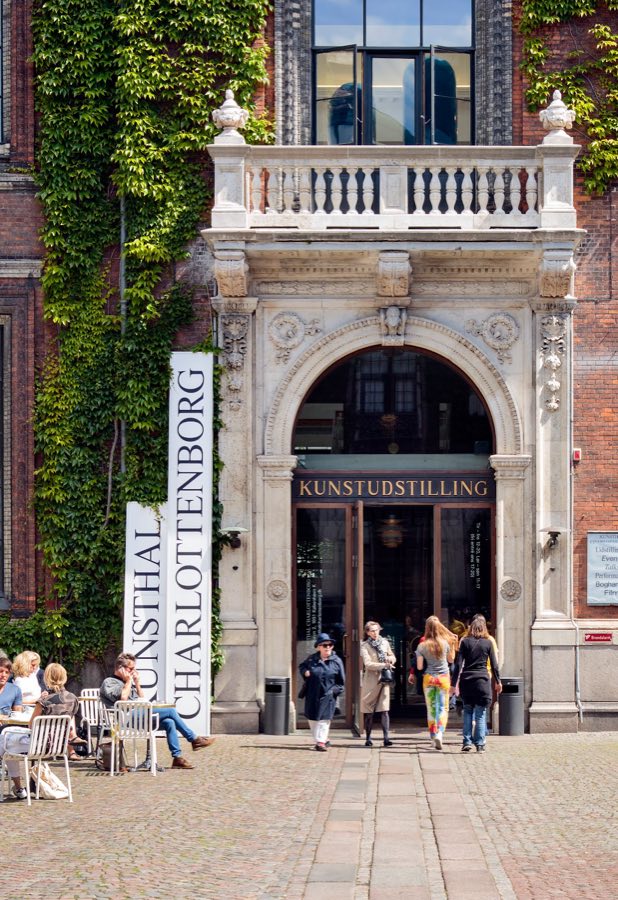
No. 74920
Charlottenborg Palace
Denmark
PalaceIntactFor events17th century
No. 38933
Palace · Denmark
No. 38933 · 55.686 N, 12.577 E
For events
Rosenborg Castle is marked as a château or castle venue lead. Capacity, indoor/outdoor spaces, catering rules, and accommodation options are published only after public verification.
Event types: Private events, Cultural gatherings, Filming and photography
Quick summary
Rosenborg Castle is a palace in Denmark with origins associated with the 17th century.
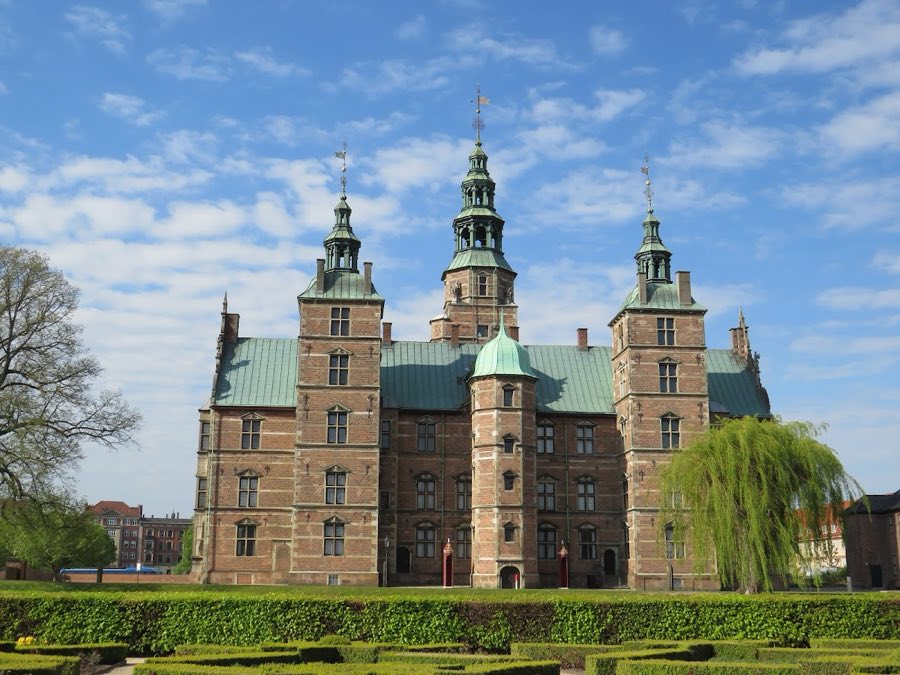
See all castles in DenmarkRosenborg Castle in Copenhagen, Denmark, was built for the Danish royal household in the early 1600s and reflects the Dutch Renaissance style introduced to Denmark under King Christian IV. Erected as a country summer residence that became a royal residence, the site figured prominently in Christian IV’s program of building and court life and remained central to the monarchy for more than a century.
Construction unfolded in several clear stages between 1606 and 1634. The work began with a two-storey palace completed around 1606–1607, which was later incorporated into a larger composition. Over the following decades the structure was raised by an additional floor, two towers were added on the east side, a taller tower rose to the west, and a stair-turret was completed in 1634, producing the form that survives today.
Christian IV moved his entire court into the castle and died there on 26 February 1648. The building continued to serve as a royal residence through the later 1600s but ceased to be the monarchs’ main home around 1710. After the reign of Frederik IV the castle returned to use as a royal dwelling only in emergencies: once after Christiansborg Palace burned down in 1794, and again during the British attack on Copenhagen in 1801. Christian VII was the last king to sleep at Rosenborg following the 1801 events.
The castle remained for generations with furnishings dating from Christian IV’s time and, in 1838, it became accessible as a museum. Ownership passed to the state and the interior now presents the Royal Collections spanning the Oldenburg dynasty from the late 1500s into the 1800s, with ceremonial rooms on three floors and a basement treasury. Since 1922 the crown jewels and regalia have been on public display; during the German invasion of Denmark in 1940 those same regalia were buried in the basement for safekeeping and were recovered and returned to view after the war.
Rosenborg stands as a compact, multi-storey palace in the Dutch Renaissance manner, completed in form by the mid-1630s after successive enlargements. The building sits within the King’s Garden, a planned royal green space developed in connection with the castle, and it was originally surrounded by a moat. Barracks lie close by and house the Royal Life Guards, linking the castled complex with its military presence.
The main building preserves the record of its phased construction. The earliest section began as a two-storey summerhouse finished in 1606–1607 and was later incorporated into a taller structure. Additions in the following decades produced two helmet-capped towers on the east side, a higher single tower on the west, and the stair-turret finished in 1634, creating the vertical profile visible today. These elements remain integral to the castle’s silhouette and interior circulation.
On the third floor the Long Hall, completed in 1624, survives as the principal ceremonial space. Originally intended as a ballroom, it later became a reception and banquet room around 1700 and acquired the name “Knight’s Hall” in the nineteenth century. Decorative programs preserved in this room include twelve large tapestries installed under Christian V that illustrate his victories in the Scanian War of 1675–1679, an early eighteenth-century stucco ceiling that displays the Danish Coat of Arms together with the Orders of the Elephant and of Dannebrog, and sculpted side reliefs showing episodes from the early reign of Frederik IV, including the emancipation of serfs and the founding of mounted and local militia forces. Ceiling paintings by Hendrick Krock represent the Regalia and form part of the hall’s original visual scheme.
The castle’s movable and ceremonial fittings remain concentrated in the rooms and the basement treasury. The coronation chair used by absolutist kings and the queen’s throne—flanked at its foot by three silver lions—are displayed alongside an extensive group of silver furniture largely from the 1600s. The basement houses the Crown Jewels and regalia, including pieces dated 1569, 1648, 1670, and 1731, together with a coronation carpet. These objects have been preserved in situ and have been on show to the public since the early twentieth century, reflecting both the ceremonial role and the continuity of the royal collections.
No. 74920
No. 60955
No. 32905
No. 73440
Comments
Comments for Rosenborg Castle will require a verified account before posting.
We'll send a verification link before your first comment is published.