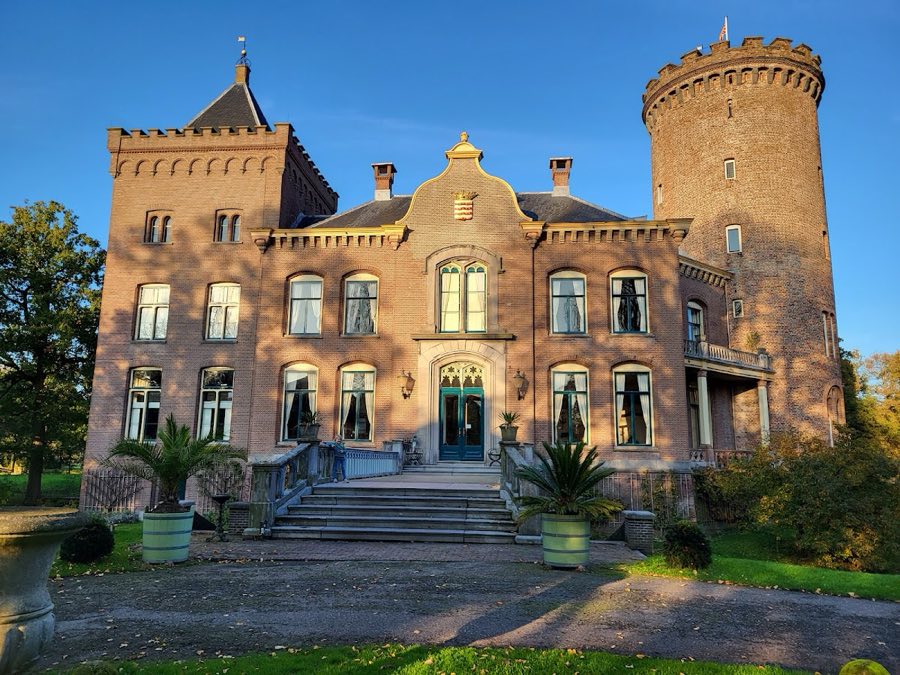
No. 44343
Sterkenburg
Netherlands
CastleIntactFor events13th century
No. 50859
Palace · Netherlands
No. 50859 · 52.079 N, 5.234 E
For rent
Slot Zeist is marked for bookable castle accommodation. Nightly pricing, sleeps count, stay rules, and amenities are displayed only when public operator data is available.
Rental type: Hotel / bookable stay, Short-stay rental
Short-term availability: Bookable accommodation signal
Quick summary
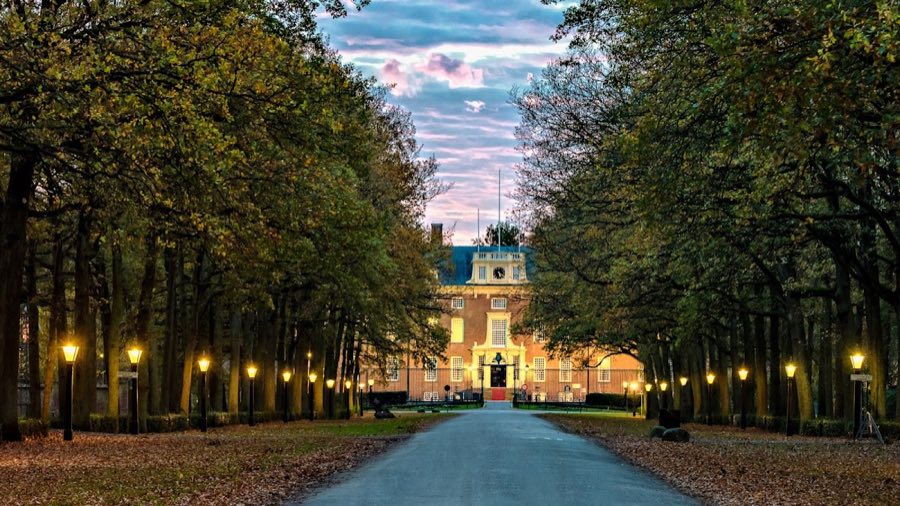
Slot Zeist is a palace in Netherlands with origins associated with the 17th century.
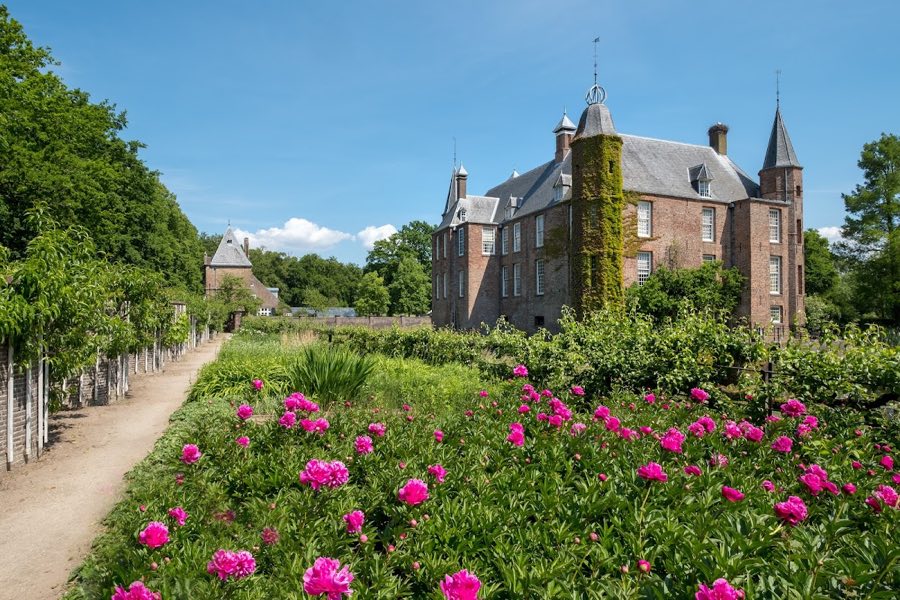
See all castles in NetherlandsSlot Zeist in Zeist, Netherlands, is a seventeenth-century palace commissioned as a Dutch pleasure residence and completed between 1677 and 1686. The present building dates to that period and its interiors reflect the French Baroque taste of the time, making the site important as an example of late 17th-century elite domestic architecture in the Netherlands. Its continuity of use and changes of ownership across centuries show shifts in social status, religion, and municipal stewardship.
The place appears in written records from the medieval period, first as the property of a local landholder in 1165. By 1536 the estate was described as a private, freehold house at Seyst and was recognized by the governing assembly of Utrecht as a knightly estate, a status that linked the site to the region’s landed nobility. This long-established manorial identity set the stage for the later transformation into a formal pleasure palace.
In 1677 Willem Adriaan van Nassau, a grandson of Maurice of Orange and a Dutch nobleman with several lordships, acquired the estate and ordered the construction of the current palace. Work continued through the 1680s to create a richly appointed residence whose painted interiors embodied contemporary French Baroque interior design. The stairwell preserves a large mural painted directly on the wall, a feature that remained through later redecoration because of its fixed placement.
During the mid-18th century the palace passed into merchant hands. In 1745 Cornelis Schellinger bought the property and in 1746 gave part of the complex to the Moravian Church, which established its Dutch headquarters there. The Moravian community in Zeist used the palace alongside a dedicated meeting hall and burial ground, making the site a center for that religious community’s activity in the Netherlands.
In 1830 the estate came into the ownership of Jan Elias Huydecoper. He reshaped the rear grounds into a landscape park in the fashionable English style and had much of the palace interior remodeled to the early-19th-century Empire aesthetic. These changes reflected shifting tastes among the Dutch upper classes rather than damage or neglect.
Municipal ownership began in 1924, when the town of Zeist purchased the palace and took responsibility for its care. In 1969 the building underwent a major restoration that returned interior decoration toward its original Baroque appearance, using salvaged material from other period buildings to repair and refurnish decorative work. In the late 20th and early 21st centuries the municipality allowed commercial use of the site under a private operator; that operating arrangement was taken over by a hotel company in December 2023. The palace is protected as a national monument under the country’s heritage listing, reflecting its architectural and historical value.
The palace stands as a late-17th-century, richly decorated residence surrounded by a planned landscape. The main building dates from 1677–1686 and retains extensive painted wall and ceiling decoration in the French Baroque manner. Many of these painted surfaces survive in situ, including a monumental wall painting located in the principal staircase; that mural was applied directly onto the masonry and therefore survived the 19th-century interior conversion.
Interior decoration includes broad wall schemes and multiple ceiling paintings executed as integrated ornament for reception rooms and circulation spaces. During the 1800s much of the decorative program was altered to reflect Empire taste, but the conservation work of the late 20th century recovered and reinstated Baroque patterns and color where possible, incorporating period demolition material to repair fittings and finishes.
The palace is set within an English landscape park created in the 19th century, which replaced earlier formal gardens at the rear of the house. The grounds are arranged to present a park-like setting when viewed from the palace and from the adjoining square, the Broeder- en Zusterplein (Brothers’ and Sisters’ Square).
Sculptural decoration for the garden once included two large allegorical groups representing the continents of Europe and Africa on one side and Asia and America on the other, placed along the moat that surrounds portions of the palace. Only the group representing Europe together with Africa survives today; it remains positioned along the water, forming part of the historical setting. These figurative garden works contribute to the palace’s ensemble of architecture, painting, and sculpture.
Overall, the building’s structural fabric, its painted interior scheme, the staircase mural, the surviving garden sculpture, and the surrounding 19th-century landscape park together form the visible archaeological and architectural record of Slot Zeist. The site’s protection as a national monument helps preserve these elements for continued study and care.
No. 44343
No. 94971
No. 58374
No. 58839
Comments
Comments for Slot Zeist will require a verified account before posting.
We'll send a verification link before your first comment is published.