No. 42869
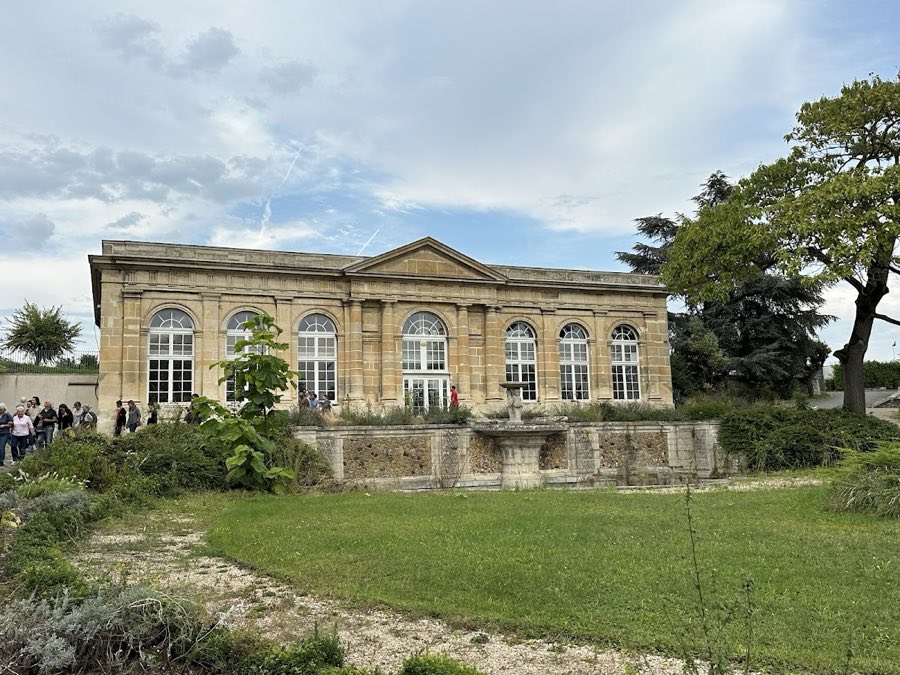
Château d'Arnouville
France
ChâteauIntact18th century
No. 10563
Palace · France
No. 10563 · 49.126 N, 2.369 E
Quick summary
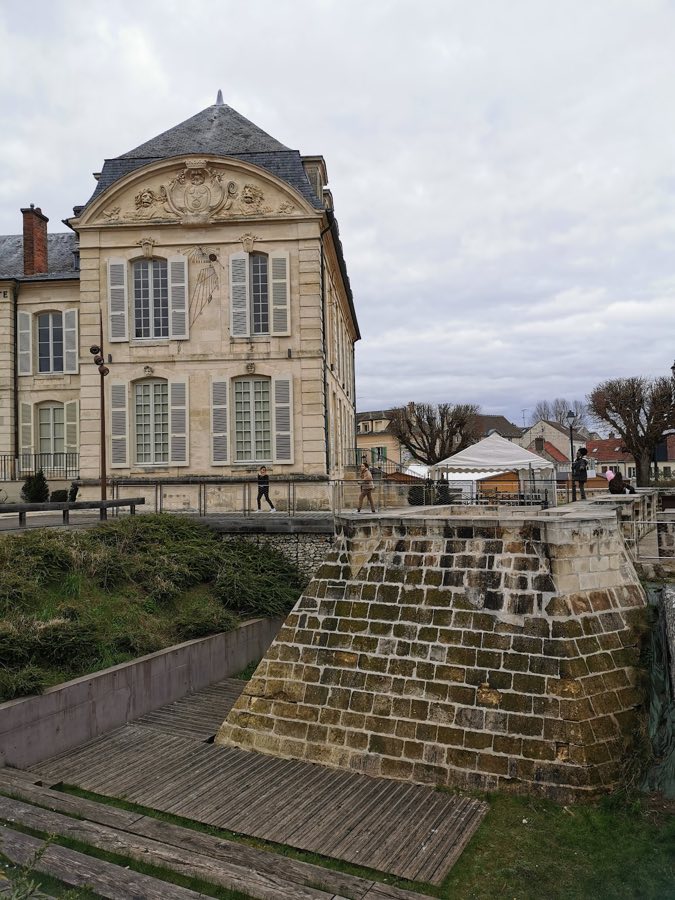
Viarmes Town Hall is a palace in France with origins associated with the 13th century.
See all castles in FranceThe Town hall of Viarmes is located in the municipality of Viarmes, France. The site was initially established by early medieval settlers and later developed by local noble families in the medieval period.
Evidence indicates that from the late Early Middle Ages, around the 10th or 11th centuries, the location was occupied by a fortified settlement. Over time, this original defensive installation evolved into a medieval castle, reflecting the changing needs and status of its rulers. From the 13th century, the castle belonged to the House of Chambly, who significantly altered and enhanced the structure to suit their purposes.
In 1758, the medieval fortress was replaced by a new residence constructed in a classical style. This building was commissioned by Jean-Baptiste Élie Camus de Pontcarré, the lord of Viarmes, who sought to transform the site into a more modern château. The new construction retained the importance of the location while signaling a shift from purely defensive architecture to one focused on residential elegance and administration.
By the mid-19th century, specifically in 1857, ownership of the château transferred to the town itself. The building was repurposed to house the town hall and local school, reflecting its ongoing role as a civic center. Although it no longer functions as a school today, it continues to provide administrative services and hosts a local history museum.
Recognition of the building’s historical value came in 1926 when it was officially listed as a historic monument by governmental decree, ensuring its preservation as part of France’s cultural heritage.
Archaeological investigations carried out during the development of the town hall square revealed substantial remains of the earlier fortifications beneath the current château. These include sections of a defensive wall reinforced by towers, which once formed part of the medieval stronghold protecting the settlement. The construction combines sturdy stonework and masonry techniques typical of medieval defensive architecture.
Within the fortified enclosure, discoveries included interior lodgings dated to the castle period, identifiable by floor tiling made from ceramic-glazed tiles. These tiles featured geometric designs alongside the coat of arms belonging to the House of Chambly, linking the decorative elements directly to the noble family known to have owned the castle from the 1200s onward. These artistic floor patterns reflect the status and identity of the castle’s medieval occupants.
The layout of the castle evolved over several centuries, starting from the original settlement of the early Middle Ages through the modifications imposed by the Chambly family. While the medieval structure was ultimately replaced in the mid-18th century by the classical-style château, these archaeological findings preserve essential components of the earlier fortified landscape.
Today, the existing château stands as a one-story building with a Mansard roof, arranged in a U-shape enclosing an inner courtyard. The facades incorporate local blond ashlar stone, providing both structural strength and aesthetic appeal, while rubble stone covered with plaster adds texture to other surfaces.
Inside, the château contains two rooms distinguished by Rocaille-style wood paneling, a decorative technique popular in the 18th century characterized by intricate curves and natural motifs, along with matching doors and mirrors. These interior elements are protected as part of the historic monument classification, highlighting their artistic and cultural significance.
Although the château originally included an expansive park, this green space was sold in parcels in 1847, and therefore the grounds as they existed in the past are no longer intact.
Together, the surviving architectural features and archaeological remains illustrate the layered history of the site, from early medieval fortress to noble residence and finally to its role in local governance and heritage preservation.
No. 42869
No. 76237
No. 48784
No. 35136
Comments
Comments for Viarmes Town Hall will require a verified account before posting.
We'll send a verification link before your first comment is published.