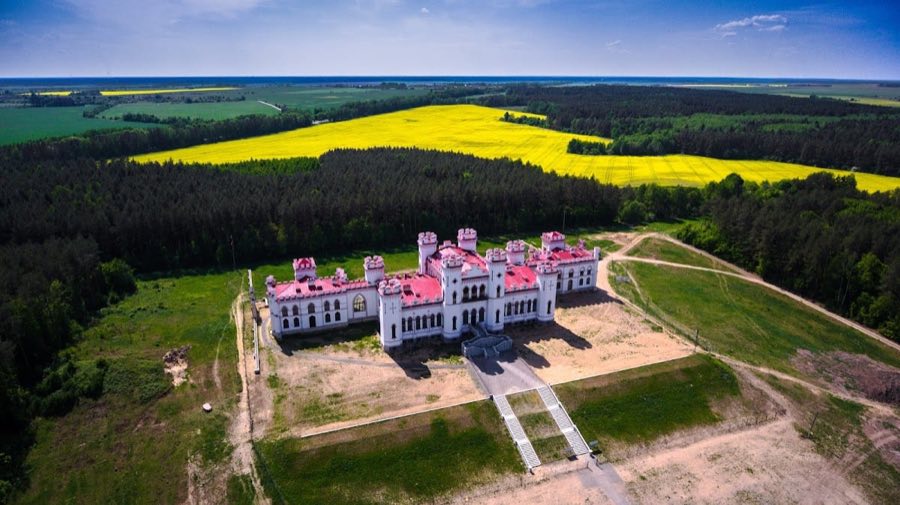
No. 15865
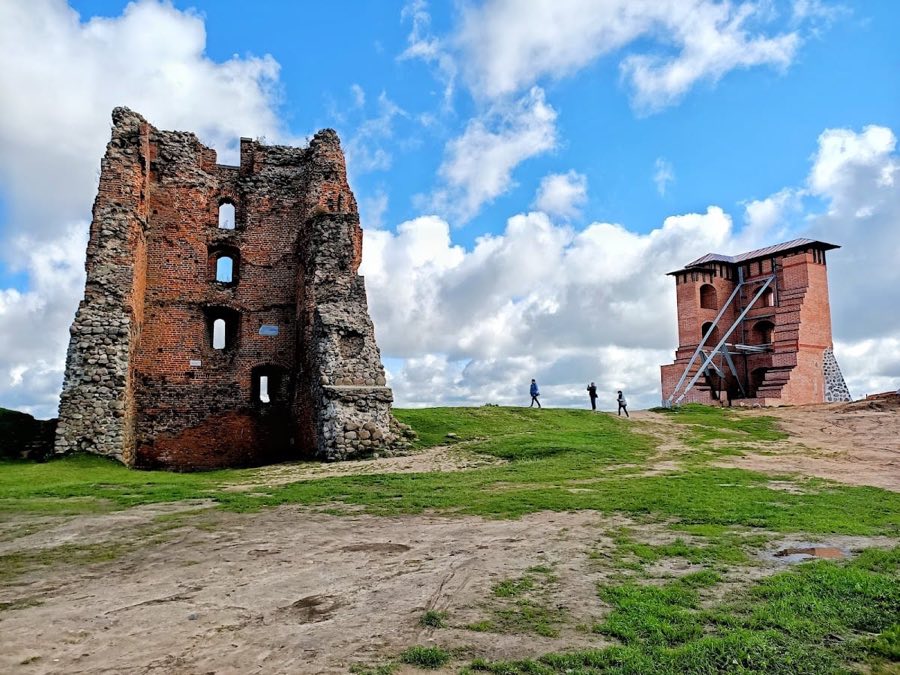
Kosava Castle
Belarus
CastleRuinFor rent19th century
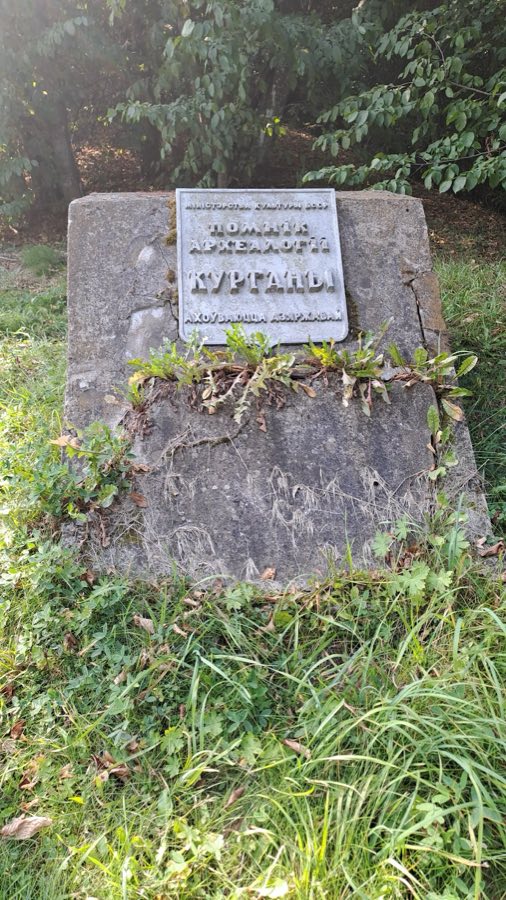
No. 28479
No. 28479 · 52.859 N, 24.639 E
Quick summary
Łyskaŭ Castle is a castle in Belarus with origins associated with the 17th century.
See all castles in BelarusŁyskaŭ Castle is located in Pont Chevron, Ouzouer-sur-Trézée, Belarus. It was established by rulers within the Grand Duchy of Lithuania.
The castle appears in records and material culture from the 1400s onward, when Lyskovo formed part of the Volkovysk district inside the Novogrudok voivodeship and belonged to princely holdings. Some sources state the stronghold may have been owned by Bona Sforza, who served as Grand Duchess of Lithuania and later Queen of Poland. At least one account links the production of the Bykhovets Chronicle to the castle.
During the late medieval and early modern centuries the site remained in use. Excavated layers contain pottery and other household items dated from the 1400s through the 1600s, indicating continued occupation and activity across those centuries. Military action reached the area in the early eighteenth century; fighting occurred near the castle in 1706. The castle suffered very heavy damage during the Great Northern War, which lasted from 1700 until 1721, and by the mid-1700s it had been almost completely destroyed.
Interest in the ruins continued into later centuries. Investigations took place in the nineteenth century and again in the 1970s, recovering structural fragments and small finds that illuminate life at the site between the fifteenth and seventeenth centuries. Local tradition preserved in nineteenth‑century folklore ties the place to a mistress called Benya, or Bona, and to stories of a curse, eerie cries and apparitions on the ramparts, including a tale of a soldier whose finger was cut off for a ring. The ruins are now officially protected, and a national programme has allocated funds for planning and improvement of the castle and its surroundings.
The castle sits on the right bank of the river Mukhi (also recorded as Shchyby), about half a kilometre from the nearby settlement. Its defended area followed a neat square plan measuring roughly sixty-eight metres on each side, and the fortifications were formed mainly of large earth embankments and surrounding ditches. To the east the position was guarded by marshy river banks, which helped shape the site’s defensive layout.
A substantial western rampart survives as the most substantial earthwork, measuring about ten metres across with a flat top roughly two metres wide that contains a central passage interpreted as the original entrance. Sections of the southern rampart remain, and fragments of the eastern embankment have been traced. Historical descriptions record round corner towers with a diameter near eight metres at each corner of the square; these round towers are part of the site’s recorded plan.
A moat runs around the castle’s immediate perimeter, and beyond it stood a second outer rampart that reached about one to one and a half metres in height and up to four metres in width; remains of this second bank are preserved on the west and south sides. At a greater distance, approximately ninety metres from the central enclosure, an additional arcuate rampart and moat enclosed the broader complex. One record indicates that this outer work surrounded the site on the north, west and south, while another places it on the west, south and east; inside that outer line there was a roadway and a raised platform identified as the base for a tower.
Excavations exposed a cultural deposit about forty centimetres thick containing fragments of glazed tile, pottery dated to the fifteenth through seventeenth centuries, and pieces of grooved brick plastered with clay and lime, among other finds. These materials were recovered during nineteenth‑century and 1970s fieldwork and are kept at the Institute of History of the Academy of Sciences of Belarus. The archaeological record preserves the earthworks, traces of moats and fragmentary structural elements, and the recovered artefacts provide direct evidence of the site’s domestic and defensive use across several centuries.
No. 15865
No. 29560
No. 91539
No. 96378
Comments
Comments for Łyskaŭ Castle will require a verified account before posting.
We'll send a verification link before your first comment is published.