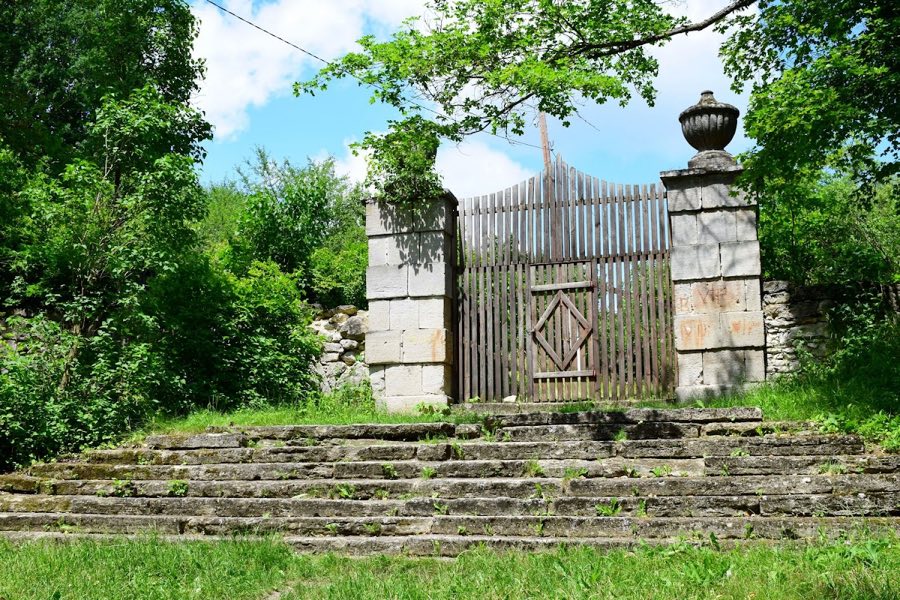
No. 90277
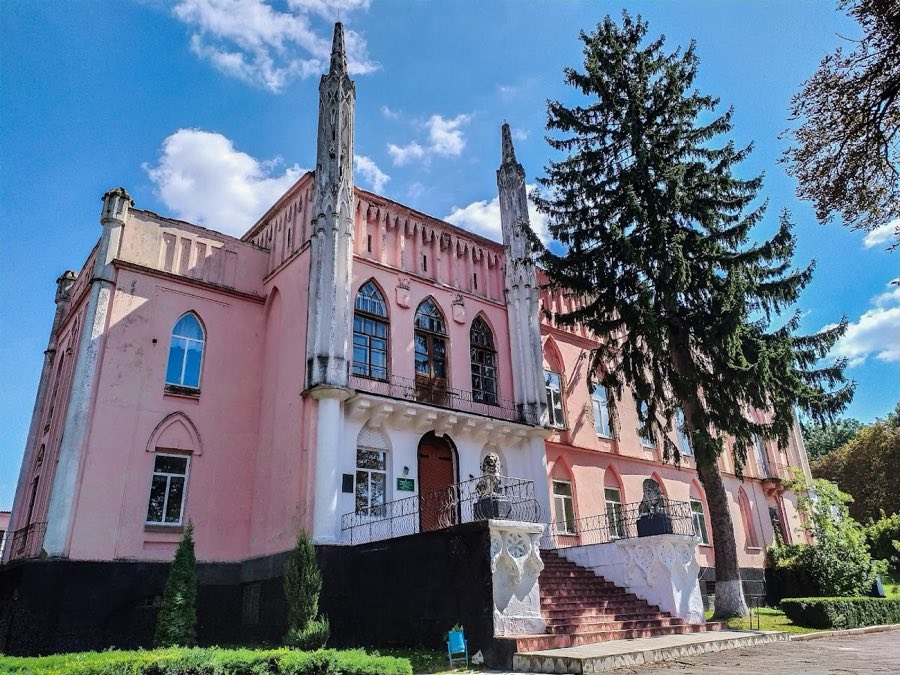
Maliivtsi Palace
Ukraine
Manor houseRestored19th century
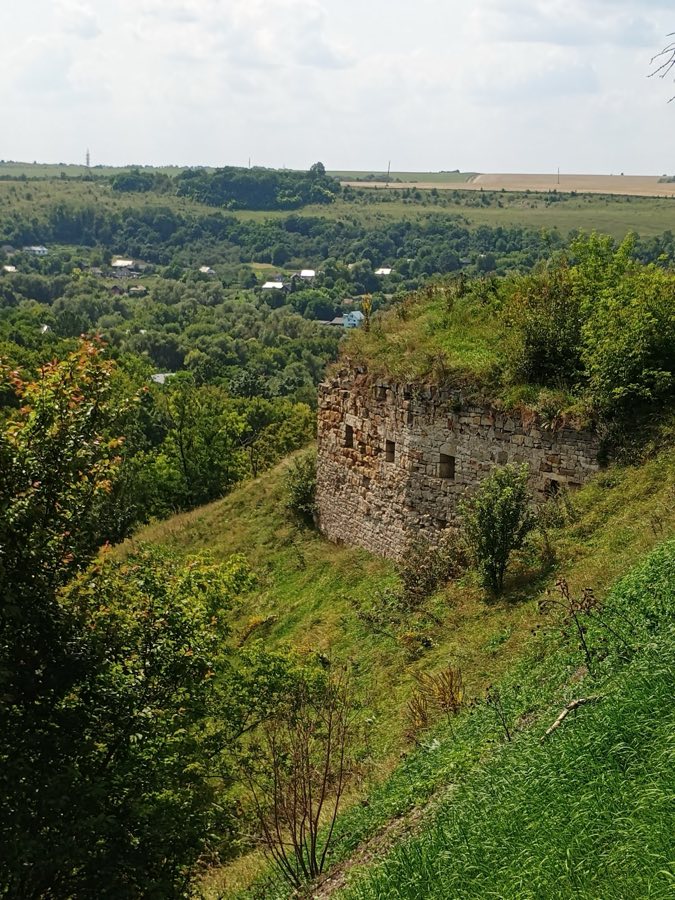
No. 17221
Castle · Ukraine
No. 17221 · 49.077 N, 27.072 E
Quick summary
Zamek w Zinkowie is a castle in Ukraine with origins associated with the 15th century.
See all castles in UkraineZamek w Zinkowie in Zin’kiv, Ukraine, is a late medieval fortified castle erected in the mid‑15th century by the Polish Odrowąż noble family. Built during the medieval period of regional fortification, it appears among the earliest and largest strongholds recorded in contemporary documents, and it played a central role in local administration and defence across several turbulent centuries.
The site passed between noble hands in the early 15th century. In 1404 a royal grant assigned the place to the noble Piotr Szafraniec. By the mid‑1400s the Odrowąż family established the castle on a former route known as the Black Route. In 1430 King Władysław II Jagiello rewarded Piotr Odrowąż with the castle for military service. In 1458 Andrzej Odrowąż, with the consent of King Casimir IV Jagiellon, granted Magdeburg rights (town self‑government based on German law) to the settlement of Zinków and allowed specified tax reliefs.
Through the 16th century the settlement retained administrative importance; Zinków was recorded as a county town in 1530. In 1524 a Tatar raiding force of roughly 12,000 burned the town and the surrounding countryside, yet the castle resisted and emerged undamaged. Ownership shifted in 1594 when the Sieniawski family took control.
The mid‑17th century brought warfare and shifting borders. The 1649 Treaty of Zboriv temporarily set a frontier that placed Zinków on the border between Podillia (Podolia) and Cossack Ukraine. Fighting during the Cossack wars left the castle considerably damaged in 1651. By 1671 Ulrich von Werdum reported that the town itself lay in ruins, with only fragments of walls and two ruined churches, while the castle stood deserted and was held by a local proprietor named Granachynavskyi. Ottoman forces overran Podillia in 1672 and occupied the castle, reinforcing its defences. The Sieniawski family recovered the stronghold in 1673.
In the 18th century the estate belonged at times to the magnate houses of Czartoryski and Sieniawski. By 1776 the castle was described as a stone masonry fortress still surrounded by its defensive ditch. In 1784 the property passed to Ludwig of Württemberg; his son began work on an adjacent palace. On 28 October 1784 Maria Anna, daughter of Adam Czartoryski, married Prince Ludwig of Württemberg and received Zinków with its lands as a dowry. The castle survived into the 19th century but was dismantled in 1898.
The castle occupied a raised hill on the left bank of the Uszka River and followed a compact four‑sided plan with towers at each corner. This layout served as a self‑contained defensive enclosure, constructed in masonry by the late 18th century. The siting on an elevated position gave commanding views over the river valley and assisted in defence against raiding parties and larger armies.
A surrounding defensive ditch, functioning as a moat, cut off direct access and was crossed at two points by drawbridges that led to separate entrance gates. One gate bore the coat of arms of the Sieniawski family, and other sections of the curtain walls were decorated with the arms of successive owners, signaling noble possession and authority. Ottoman occupiers reinforced and strengthened the fortifications while the castle was under their control, adding to the defensive fabric during the late 17th century.
Later changes included the introduction of stone masonry walls by the 18th century and the start of palace construction nearby under the Württemberg family. In 1898 the main fortification was taken down. Today the complex survives only in part: fragments remain and the remnant of a single tower stands above the slope, a solitary witness to the castle’s long history.
No. 90277
No. 72336
No. 96215
No. 24344
Comments
Comments for Zamek w Zinkowie will require a verified account before posting.
We'll send a verification link before your first comment is published.